What Is an Inground Pool with Spillover Spa and How Does It Work?
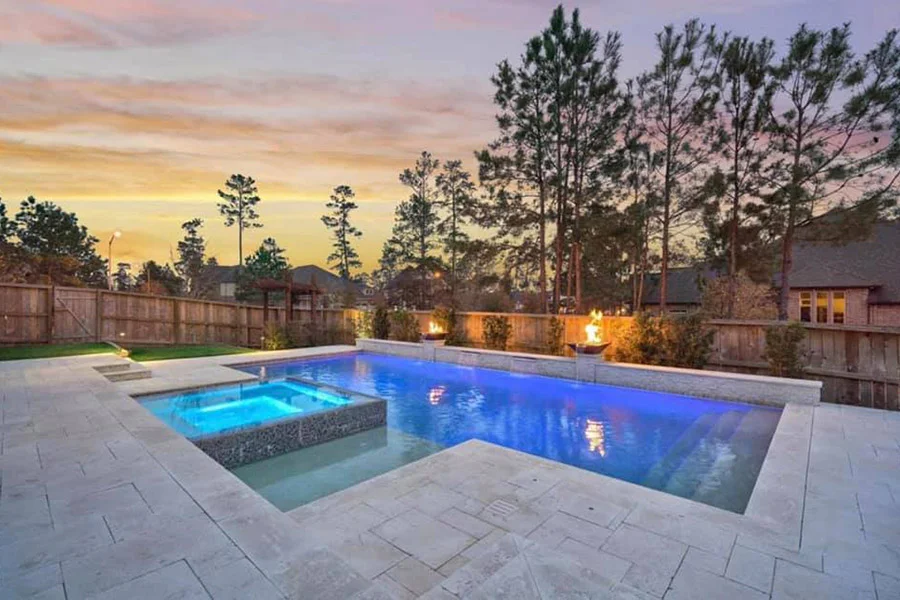
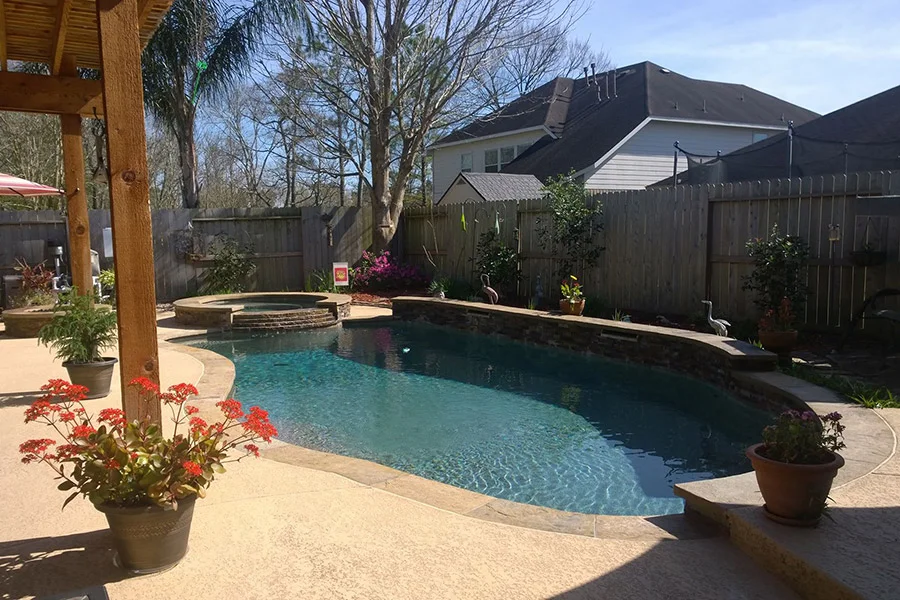
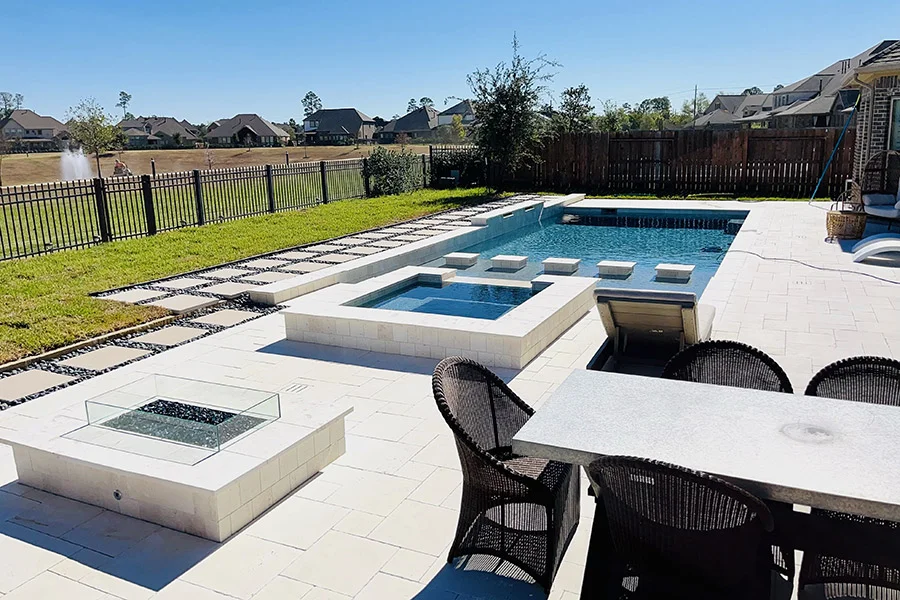
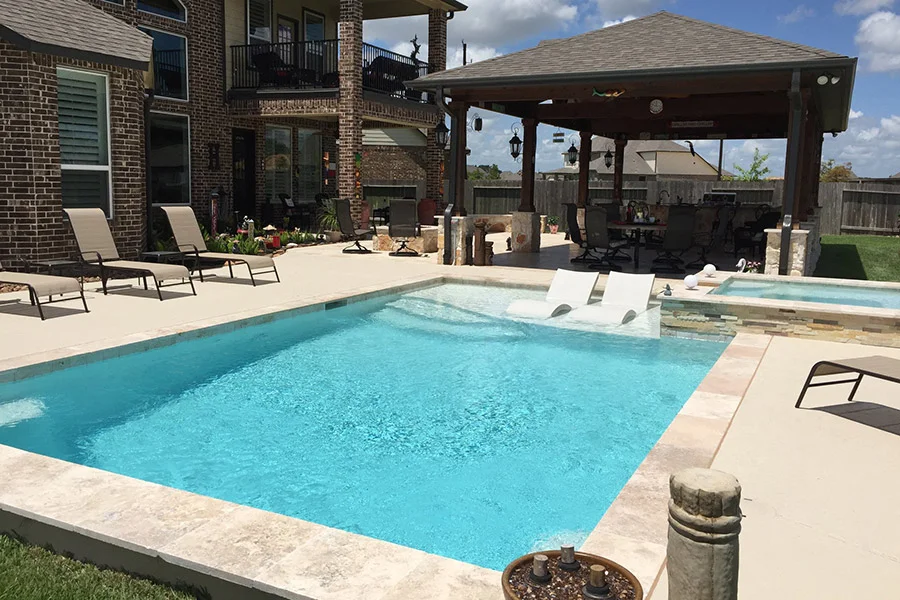
An inground pool with spillover spa is a custom swimming pool paired with an elevated, connected hot tub that continuously cascades water over a open ledge—known as a spillway—directly into the main pool basin.
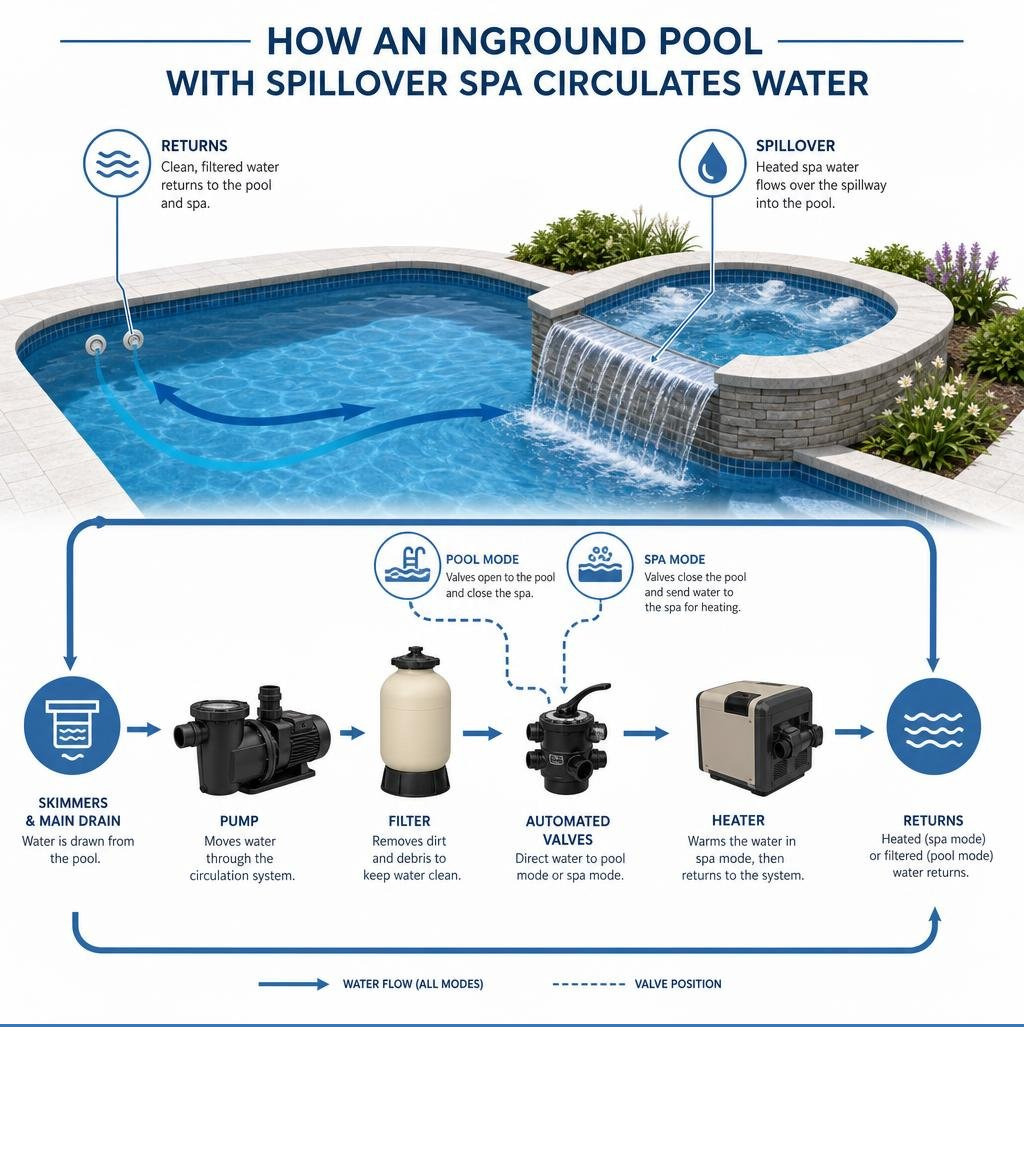
Unlike a standalone hot tub, a spillover spa shares your pool’s central filtration, pump, and heating system. When you’re ready to soak, automated valves temporarily close off the pool line so your heater warms just the spa’s water to therapeutic temperatures in minutes. When you switch back to pool mode, the heated water gently overflows into the pool, serving as a dynamic waterfall that circulates water and brings relaxing acoustic sounds to your patio.
I’m Kyle Becker, and in this guide, I’ll walk you through the essential designs, mechanics, and costs so you can plan the perfect backyard retreat.
Learn more about inground pool with spillover spa:
Understanding the Inground Pool with Spillover Spa Concept
When you build a custom pool, integrating a raised spa creates an immediate focal point. The structure relies on a raised bond beam—an engineered concrete wall that lifts the spa several inches above the swimming pool waterline.
The spillway serves as a weir overflow edge. Instead of keeping pool and spa water separate, water continuously spills over this edge into the main basin. This creates gentle movement and soothing acoustic ambience across your entire patio. Working with experienced custom swimming pool builders ensures the hydraulics and elevations balance correctly so you get a smooth cascade without excess splashing.
How a Spillover Spa Operates Within Pool Hydraulics
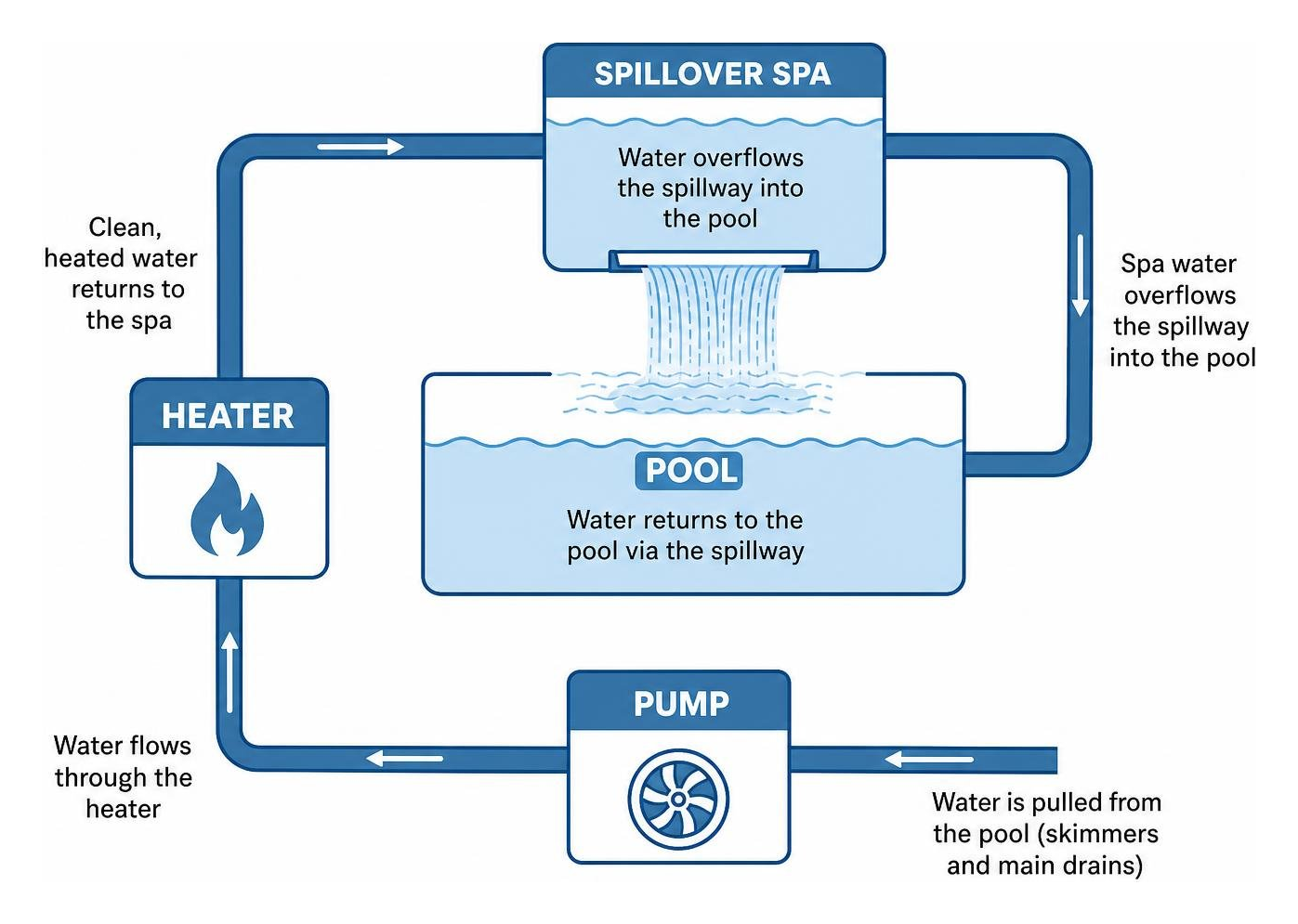
Under normal daily operation, your primary pool pump pulls water from the pool skimmers and main drains. It sends that water through the filter, passes it through the heater, and returns a portion directly into the spa. As the spa fills, it naturally overflows across the spillway back into the pool.
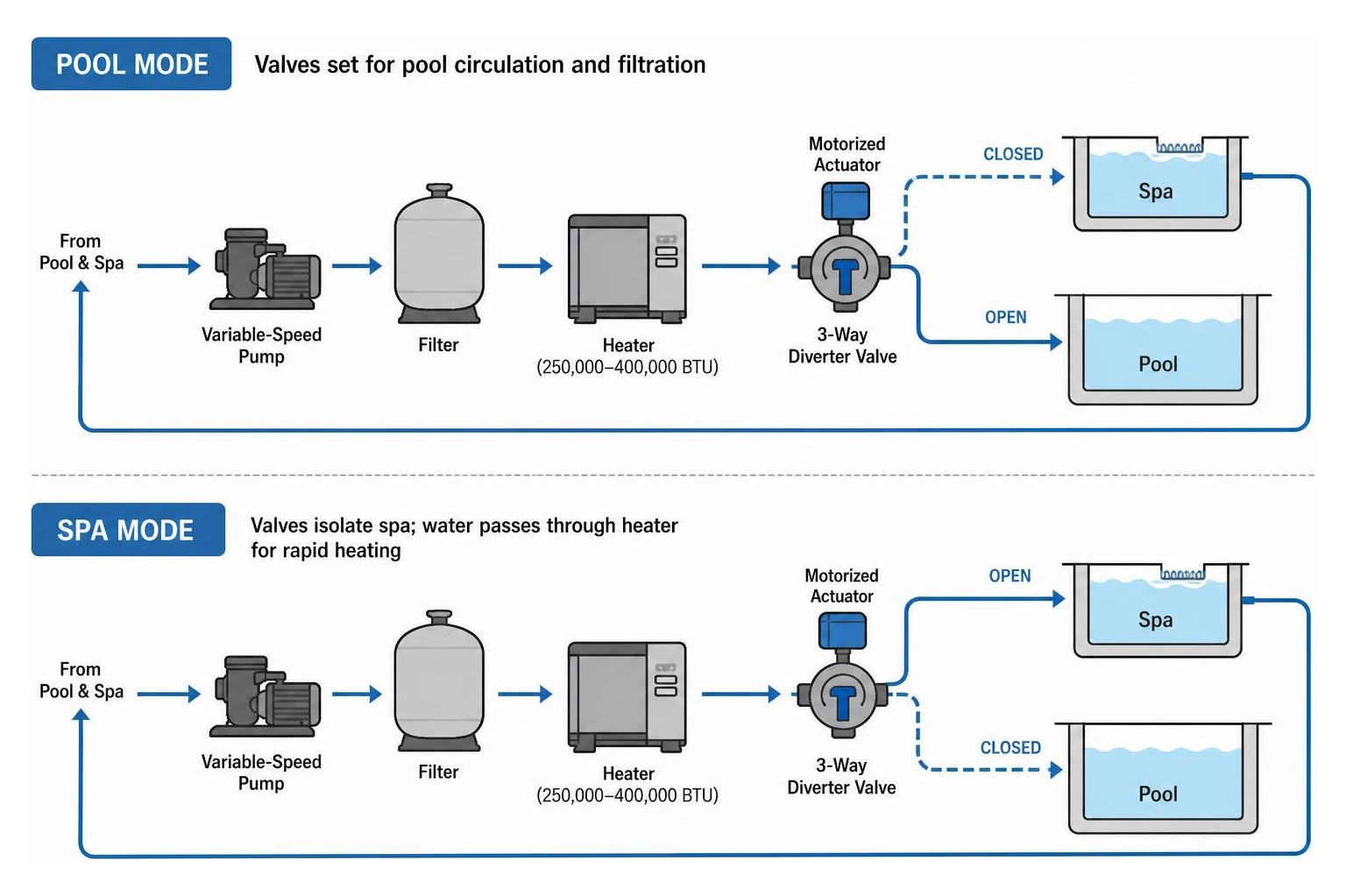
When you want a hot soak, you simply activate “Spa Mode” on your smartphone or control panel. Motorized valve actuators rotate, isolating the suction and return lines so water only circulates within the spa. Because a typical 7-foot round spa holds around 340 gallons of water—compared to 15,000 to 25,000 gallons in the pool—the heater brings the spa up to 102°F or 104°F in about 20 to 30 minutes.
Key Advantages of Integrated Spillover Spas
An integrated spillover spa provides lasting structural permanence that standalone portable hot tubs can’t match.
| Feature | Integrated Spillover Spa | Standalone Portable Hot Tub |
|---|---|---|
| Structure & Life | Permanent gunite/concrete build; lasts decades | Acrylic shell in vinyl/composite cabinet; 7–12 year lifespan |
| Aesthetics | Matches pool tile, coping, and deck finish | Bulky above-ground box sitting on deck |
| Water Feature | Built-in cascading waterfall effect | None (flat covered box when closed) |
| Equipment | Shares pool pump, high-efficiency heater, and filter | Requires dedicated secondary heater, pump, and electrical line |
| Home Value | High appraisal value as permanent hardscape | Minimal impact on property appraisal value |
Because the spa uses the pool’s existing variable-speed pump and high-efficiency gas heater, daily operational costs remain low. You don’t have to keep 300+ gallons heated around the clock like you would with an acrylic plug-in tub.
Popular Shapes and Spillway Configurations
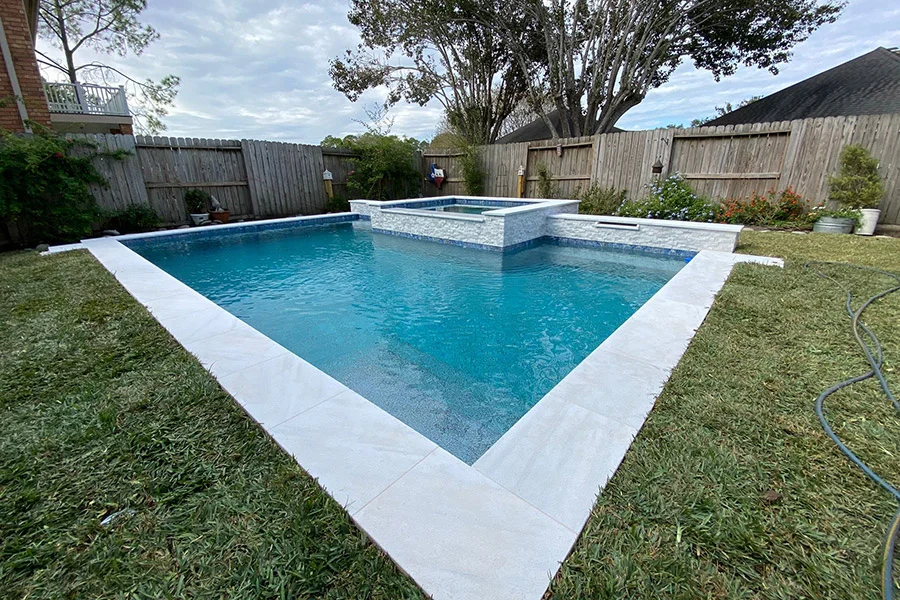
The shape and spillway design you choose establish the architectural character of your outdoor living area.
Choosing Shapes for an Inground Pool with Spillover Spa
Shape selection depends on the overarching layout of your yard and home:
- Round Spas: A classic choice. A 7-foot or 7’6″ round design softens sharp angles and feels natural in both freeform and rectangular pool layouts.
- Square Spas: The go-to for modern, clean geometry. Square spas align cleanly with contemporary rectangular pools and modern patio lines.
- Custom Geometric Gunite Spas: Custom builds allow you to craft octagons, raised triangles, or multi-tiered layouts. Understanding the art of the spray: a guide to gunite application shows how shotcrete gives us total freedom to shape bench depths, footwells, and integrated seating.
Many homeowners choose to place their raised spa right next to a tanning ledge. This creates a multi-level lounging zone where parents can relax in warm hydrotherapy while keeping an eye on kids splashing on the shallow shelf.
Spillway Styles: Sheet Descents, Scuppers, and Cascades
The spillway channel directs the water’s flow and determines its sound:
- Sheet Spillways: A wide, smooth weir edge creates a seamless curtain of water. It delivers a quiet, elegant whisper.
- Sheer Descent Waterfalls: A narrow opening or raised weir drops water vertically into the pool for a crisp visual sheet and moderate acoustic presence.
- Architectural Scuppers: Open decorative troughs or metal channels drop water in focused streams. These create a richer, bubbling water sound that easily masks neighborhood noise.
Engineering, Heating, and Plumbing Considerations
Building a reliable spillover spa requires solid hydraulic engineering behind the scenes.
Shared Water Systems vs. Independent Heating Loops
Most inground designs use a shared water system with automated bypass valving. When idle, the spa shares filtered, sanitized water with the pool, preventing stagnant water.
When you switch to spa mode, motorized actuators isolate the loop so only the spa water passes through the heater. For rapid heating on cool evenings, we recommend a natural gas or propane heater sized at 250,000 BTU minimum (with 400,000 BTU being the gold standard for large spas). This ensures quick heating without wasting fuel.
Essential Plumbing: Check Valves, Variable-Speed Pumps, and Heaters
Proper plumbing setup keeps your system running smoothly:
- Anti-Drain Check Valves: Because the spa sits higher than the pool, gravity will naturally drain water back into the pool when the pump turns off. Installing a heavy-duty check valve on the spa return line prevents this backflow.
- Plumbing Line Sizing: We run 2-inch or 2.5-inch PVC lines for all suction and return runs to reduce friction loss and keep water moving freely.
- Secondary Booster Pumps: While your main variable-speed pump handles filtration and spillover circulation, running 20 to 25 hydrotherapy jets requires extra pressure. Adding a dedicated 1.5 HP booster pump delivers firm, therapeutic jet action.
- Pressure Testing: All underground plumbing lines must pass rigorous 24-hour pressure tests before concrete placement to verify completely leak-free lines.
Luxury Upgrades: Tile, Fire Features, and Lighting Pairings
A spillover spa looks great during the day, but custom lighting, fire elements, and finishes turn it into an evening showpiece. You can explore luxurious pool designs to see how these finishes come together.
Elevating an Inground Pool with Spillover Spa with Fire and Glass Tile
- Iridescent Glass Tile: Covering the spillway wall in glass mosaic tile creates a shimmering effect as water flows over it in the sunlight.
- Automated Gas Fire Bowls: Placing copper or concrete fire bowls on top of the spa’s raised bond beam creates a striking combination of fire and water. You can find more ideas in our guide to 9 features to add to the design of your pool.
- LED Nicheless Lighting: Compact, color-changing LED lights placed under the coping or inside the spa light up both the footwell and the falling water sheet at night.
Coping Materials and Multi-Level Patio Integration
The materials framing your spa tie the entire patio together:
- Travertine Coping: Naturally cool under bare feet, bullnose or tumbled travertine provides comfortable seating along the spa edge.
- Stacked Stone Facing: Applying split-face natural stone or ledger stone to the exposed raised spa wall adds rich texture and conceals wet-dry mineral lines.
- Stamped Concrete & Pavers: Seamlessly connects the raised spa footprint to your outdoor kitchen and lounging areas.
Costs, Maintenance, and Value Considerations
A spillover spa requires an upfront investment, but it adds long-term equity and daily enjoyment to your home. If you are budgeting, review our article on adding a spillover spa to your pool without drowning in debt.
Real Costs: Add-On Pricing and Energy Efficiency
Adding an attached spillover spa to a new pool project typically ranges between $12,000 and $25,000.
- Basic Shared-Water Spa ($12,000–$16,000): Includes standard gunite shell, 6 to 8 jets, basic coping, waterline tile, and automated valving.
- Custom Tile & Accent Spa ($16,000–$22,000): Adds all-glass tile on the spillway, stacked stone exterior, 12 to 16 jets, and upgraded LED lighting.
- Resort-Style Package ($22,000–$32,000+): Features automated gas fire bowls, dedicated jet booster pumps, scupper waterfalls, high-end stone, and smart app automation.
For a broader look at total project costs, read our breakdown on how much does a custom inground pool cost.
Keeping Spillway Surfaces Free of Calcium Scale
Because the spillway face is constantly getting wet and drying in the sun, calcium scale can form if water chemistry drifts.
To keep your spillway clean:
- Maintain Proper pH: Keep pool water pH balanced between 7.4 and 7.6 to prevent minerals from falling out of solution.
- Monitor Calcium Hardness: Keep calcium hardness within ideal ranges (200–400 ppm) to protect plaster and tile.
- Use Non-Abrasive Cleaners: If scale appears on glass or porcelain tile, clean it with a soft nylon brush and a mild, pool-safe scale remover rather than abrasive pumice stones.
Frequently Asked Questions About Spillover Spas
Can a spillover spa be added to an existing swimming pool?
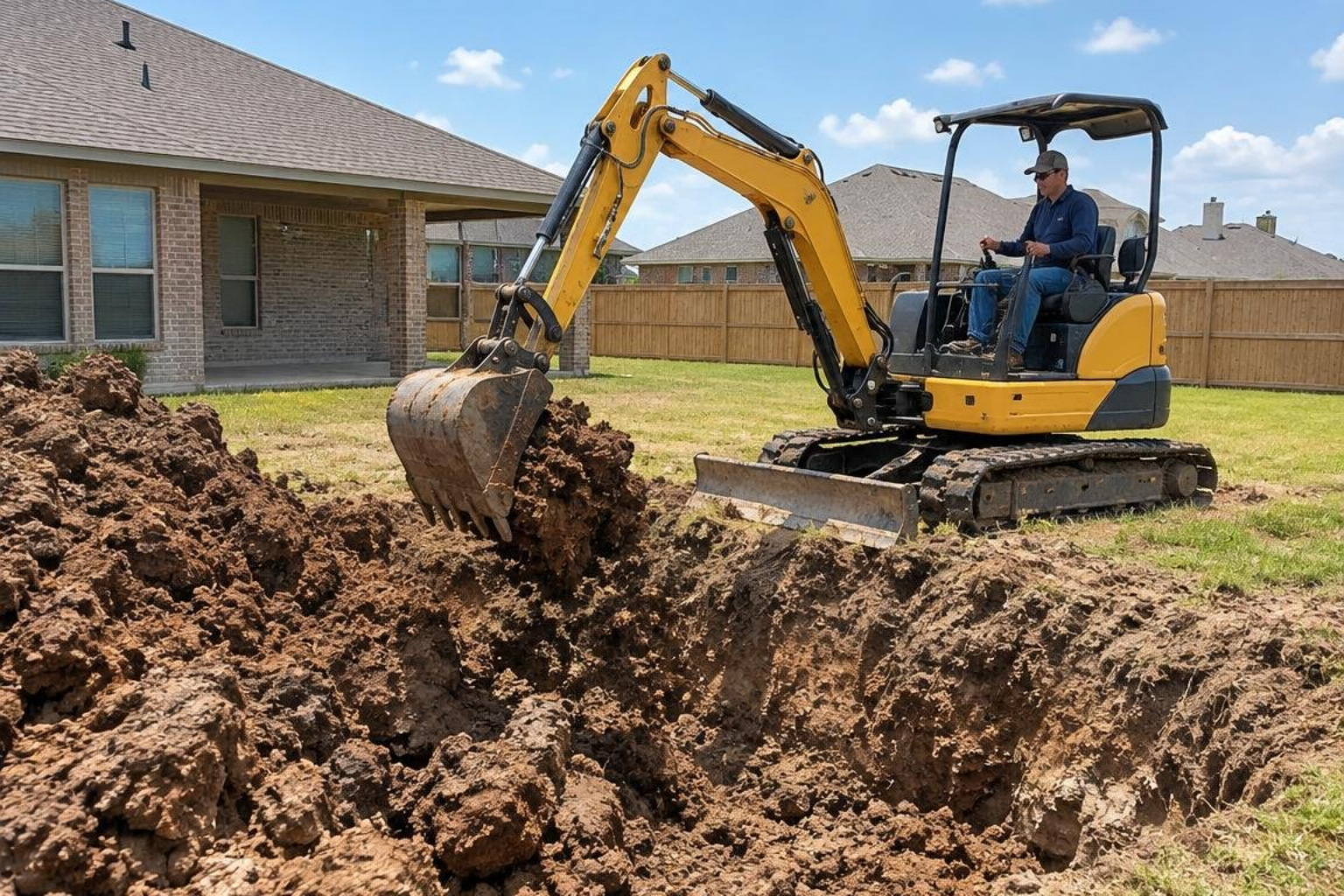
Yes, but retrofitting a spa requires cutting into the existing pool deck, excavating for new plumbing trenches, tying new steel into the pool’s bond beam, and tapping into the filtration system. While doable, it is significantly more cost-effective and structurally seamless to include the spa during initial pool construction.
How high should a spillover spa be raised above the pool?
Most builders raise the spa between 6 and 12 inches above the pool deck. This provides enough height for a clean water cascade, prevents pool water from washing in, and offers comfortable seating without blocking sightlines across your yard.
How does a spillover spa impact pool water chemistry and pH?
As water tumbles over the spillway, it mixes with air. This aeration naturally off-gasses carbon dioxide, which causes pool pH to rise slowly over time. Checking your water weekly and adding small, regular doses of muriatic acid keeps your pH in the ideal range.
Conclusion
An inground pool with spillover spa brings together hydrotherapy, dynamic visual design, and soothing waterfall sounds into a single backyard feature. Whether you prefer a sleek modern square design with glass tile or a natural stone build with fire bowls, it creates a true resort feel right at home.
Ocean Blue Pools is Houston’s trusted pool builder with over 25 years of experience. The mission of Ocean Blue Pools is to design and build custom pools that transform backyards into dream destinations, built with precision, passion, and a promise of quality.
Ready to design your backyard retreat? Explore our custom pool features to start planning today.