What Does It Really Cost to Add a Spillover Spa to an Existing Pool?
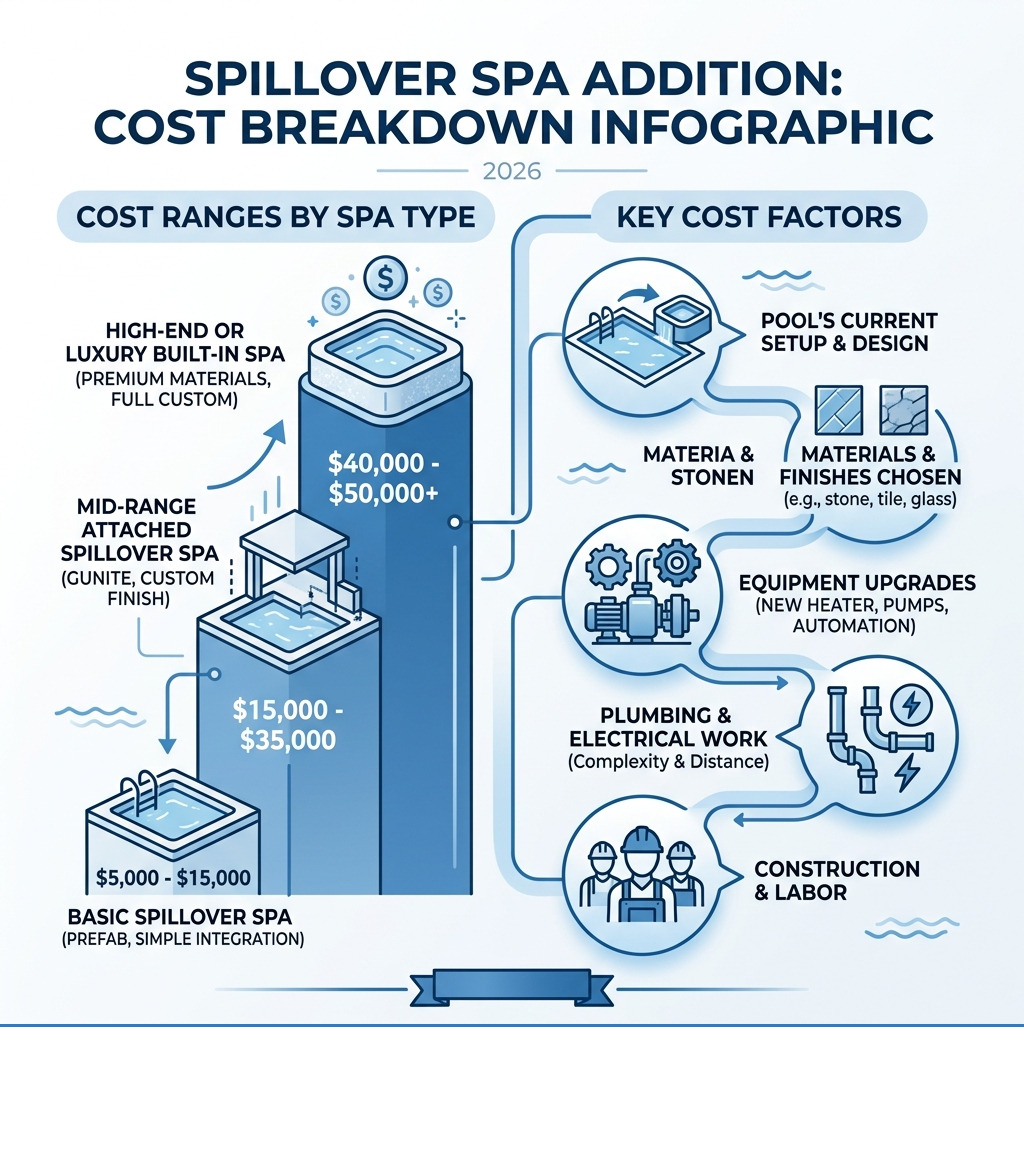
Adding a spillover spa to an existing pool cost typically falls between $15,000 and $35,000 for most Houston-area homeowners in 2026 — though the range can stretch wider depending on your pool’s current setup, the materials you choose, and how much equipment needs to be upgraded.
Here’s a quick snapshot so you can get your bearings:
| Spa Type | Typical Cost Range |
|---|---|
| Basic spillover spa (prefab, simple integration) | $5,000 – $15,000 |
| Mid-range attached spillover spa (gunite, custom finish) | $15,000 – $35,000 |
| High-end or luxury built-in spa (premium materials, full custom) | $40,000 – $50,000+ |
These numbers include the spa structure itself, plumbing, electrical work, and basic construction. What they don’t always include — and what can catch homeowners off guard — are equipment upgrades like a new heater, automated valves, or pump additions.
The good news? It is absolutely possible to add a spillover spa to your existing inground pool. And when it’s done right, it transforms your backyard into a year-round retreat your whole family will love.
But before you fall in love with a vision, it helps to understand exactly what you’re getting into — costs, process, timeline, and all. That’s what this guide is here for.
Types of Spillover Spas You Can Add
When we talk about adding a spa to your existing pool, there isn’t just one “off-the-shelf” solution. In the Houston market, we generally see three main approaches.
Prefabricated Spillover Spas
These are often made from acrylic or fiberglass and are designed to be dropped into a cutout in your existing deck. They are the most budget-friendly option, with the adding a spillover spa to an existing pool cost for these units often staying under $15,000. While they offer great jet configurations, they can sometimes look like an “add-on” rather than a seamless part of your pool.
Custom Gunite Spillover Spas
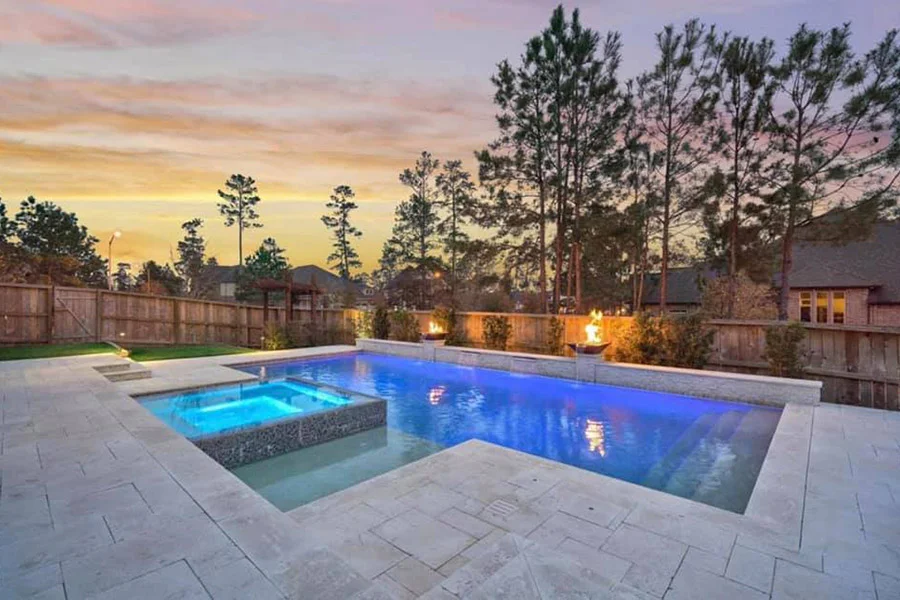
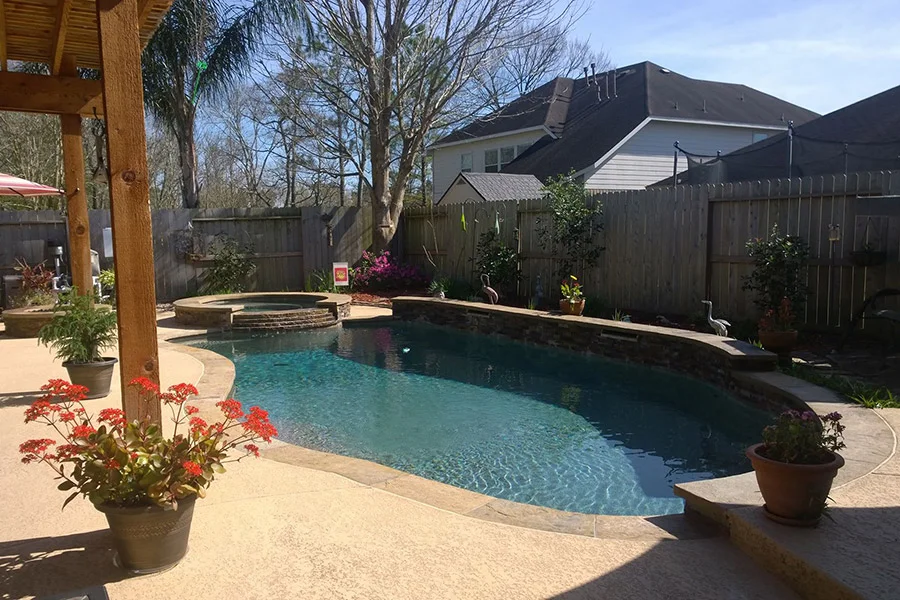
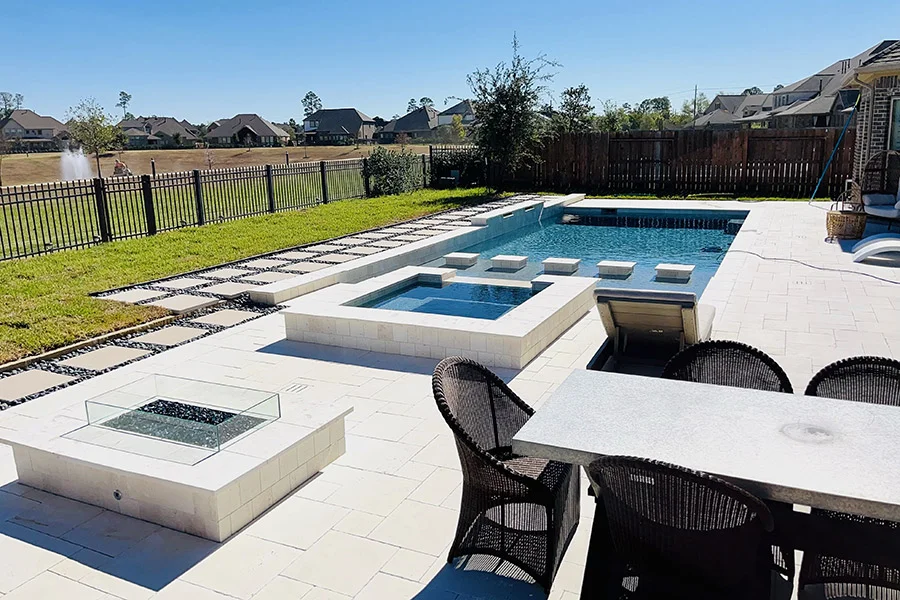
This is our specialty at Ocean Blue Pools. We build these using the same steel-reinforced concrete as your pool. Because they are custom-built, they can be any shape — whether you want a sharp rectangular design to match a modern pool in The Woodlands or a freeform curve for a backyard in Katy. These typically cost between $15,000 and $35,000.
Raised vs. Flush Spas
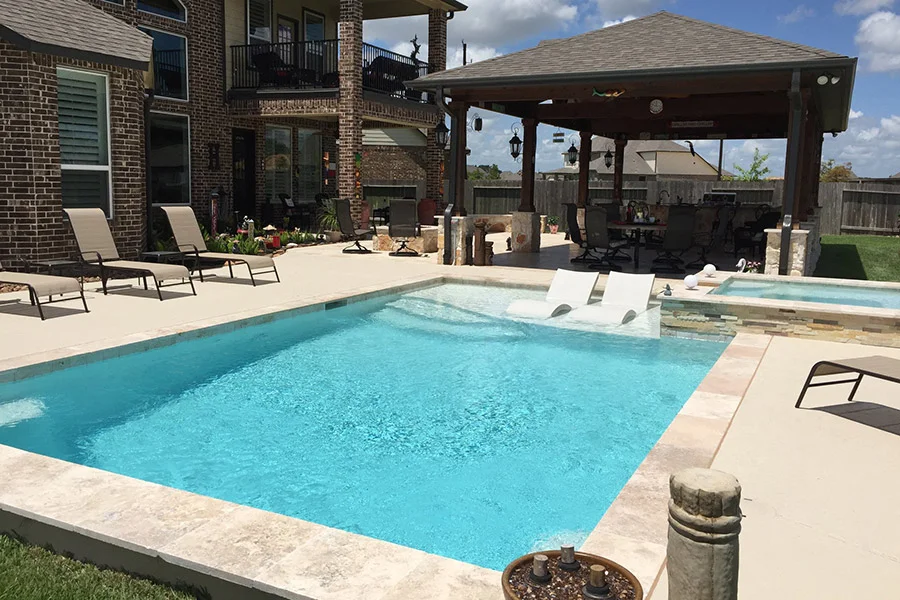
A “flush” spa sits level with your pool deck. A “raised” spa sits 6, 12, or even 18 inches above the pool. Raised spas are incredibly popular because they allow for a more dramatic “spillway” effect. You can learn more about these Pool Customizations and how they change the look of your backyard.
Key Factors That Influence the Cost
Why is there such a big gap between $15,000 and $50,000? It usually comes down to the details.
- Materials: Using standard blue tile and a basic plaster finish is affordable. If you opt for premium glass mosaic tiles ($25-$75 per square foot) or a natural stone veneer to match your existing rockwork, the price climbs quickly.
- The Spillway Design: A simple “curtain” of water is standard. However, custom “Champagne” spillways or stacked flagstone waterfalls that create a “babbling brook” sound add both beauty and cost.
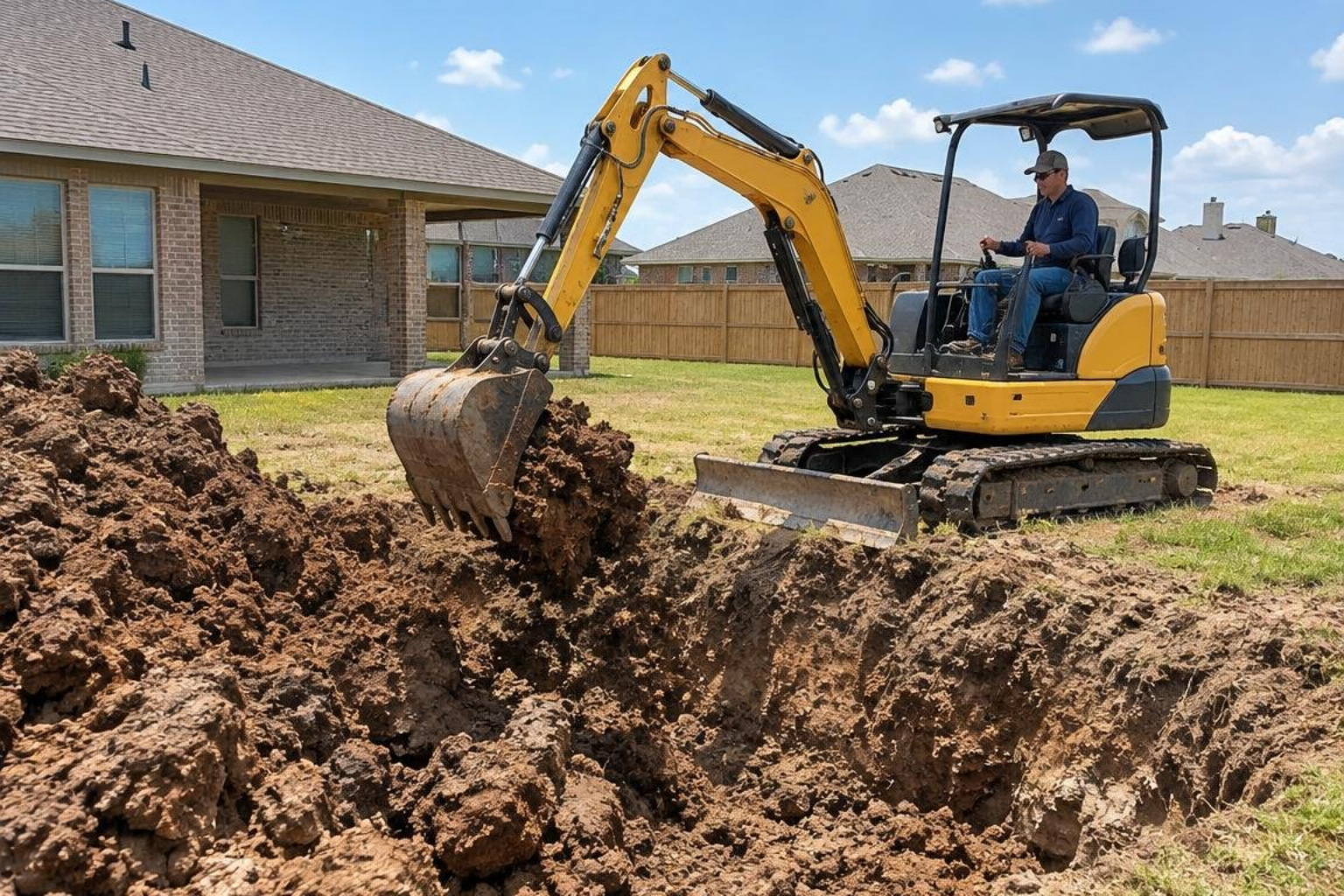
- Distance to Equipment: If your pool pump and heater are on the opposite side of the yard from where the spa is going, we have to dig longer trenches and run more PVC pipe. In Houston’s heavy clay soil, this labor adds up.
- Structural Integrity: Adding a spa to an existing pool often requires us to “tie in” new steel rebar to the old pool shell. To make it look seamless, we often recommend an Inground Pool Remodel where we resurface the entire pool so the new spa and old pool match perfectly.
Hidden Expenses to Watch Out For
When budgeting for the adding a spillover spa to an existing pool cost, don’t just look at the spa itself. There are several “behind-the-scenes” costs that can impact your final bill.
- Permits and Engineering: Most Greater Houston municipalities, from Sugar Land to Conroe, require building permits. These can range from $200 to $2,000 depending on your local regulations.
- Electrical Panel Upgrades: A spa needs power for pumps and blowers. If your current home electrical panel is full, you might need a 200-amp upgrade or a new sub-panel.
- Gas Line Upgrades: To heat a spa to 104°F quickly, you need a high-BTU heater. This often requires a larger gas line to be trenched from your meter to the pool equipment pad.
- Decking Repairs: We have to cut into your existing deck to install the spa and plumbing. Replacing that section of cool deck, pavers, or stamped concrete is a separate line item. You can find more detail on this in our Practical Guide To Pool Remodeling Costs.
The Installation Process and Timeline
Adding a spa isn’t a weekend DIY project. It’s a major construction undertaking that typically takes 4 to 8 weeks from the day we break ground.
- Design & Permitting (1-4 weeks): We create a 3D rendering to show you how the spa integrates with your current pool and wait for the city to approve the plans.
- Excavation & Demolition (3-5 days): We cut the pool deck and dig the hole for the spa.
- Steel & Plumbing (1 week): We install the rebar “cage” and run all the new plumbing lines back to the equipment pad.
- Gunite (1 day): We shoot the concrete shell. It then needs to “cure” for several days.
- Tile, Coping, and Masonry (1-2 weeks): This is where the spa starts looking beautiful.
- Plaster & Startup (3-5 days): We finish the interior and fill it with water.
Equipment Upgrades You’ll Likely Need
Your current pool pump was designed to move water through a filter, not to power therapeutic spa jets. When adding a spillover spa to an existing pool cost is calculated, equipment is often the biggest variable.
- The Heater: If you don’t already have a heater, you’ll need one. If you have an old one, it might not be efficient enough. Gas heaters are the standard for spas because they heat water much faster than electric heat pumps.
- Automation: You don’t want to run out to the equipment pad in your bathrobe to turn valves manually. Modern systems like the Pentair IntelliCenter allow you to switch from “Pool Mode” to “Spa Mode” from your smartphone.
- Variable Speed Pumps: These are highly recommended for spillover spas. They can run at a low speed for the spillover “water feature” effect during the day and ramp up to high speed when you want a deep-tissue massage. According to the U.S. Department of Energy, these can reduce energy usage by 50-70%.
For a deeper dive into what makes a great spa experience, check out our guide on How To Build A Custom Spa That Really Soaks It All In.
Benefits of a Spillover Spa vs. Standalone Hot Tubs
You might be wondering, “Why not just buy a portable hot tub from a big-box store?” While standalone tubs are cheaper ($2,000 – $15,000), a spillover spa offers unique advantages:
- Aesthetics: A custom gunite spa looks like it belongs. It’s a permanent architectural feature that enhances your home’s design.
- The Sound of Water: The spillway acts as a water feature, providing a relaxing “waterfall” sound that masks neighborhood noise in busy areas like Cypress or Spring.
- Shared Maintenance: Because the spa shares water with the pool, you only have one system to balance and one filter to clean. How Having A Pool Will Change Your Life often involves simplifying your outdoor chores, not doubling them.
- No “Eyesore”: Standalone tubs often sit on the deck like a large plastic box. A spillover spa is integrated into the landscape.
Potential Drawbacks to Consider
We believe in transparency, so it’s important to know the trade-offs.
- Comfort: Gunite spas are made of concrete. While we can contour the benches, they will never be as “squishy” or ergonomically molded as an acrylic portable tub.
- Jet Power: Portable tubs often have 50+ specialized jets. A pool-integrated spa typically has 6 to 12 powerful jets. It’s great for relaxation, but maybe not for intense physical therapy.
- Heating Time: Unless you keep your spa hot 24/7 (which is expensive), it will take 30-60 minutes to heat up from pool temperature to 104°F.
Safety Features and Local Regulations
Safety is our number one priority at Ocean Blue Pools. When adding a spa, we must follow strict Texas and local codes.
- Drain Safety: We use anti-entrapment drain covers to prevent accidents, adhering to the safety standards set by the Consumer Product Safety Commission.
- Electrical Safety: All equipment must be protected by GFCI (Ground Fault Circuit Interrupter) breakers.
- Fencing: Even if you already have a pool fence, adding a spa may require an inspection to ensure the gate and latch still meet current codes.
- Alarms: Some Houston-area municipalities require door and window alarms for any entrance leading to the pool area.
Does a Spa Addition Increase Property Value?
In the Houston real estate market, a pool is a major selling point. Adding a spa makes it even more attractive. Data from real estate experts like Zillow suggests that a well-integrated spa can increase your property value by up to 7%.
In fact, industry statistics show that in high-end markets, nearly 23% of homes sold recently featured a spa. It’s no longer just a luxury; for many buyers in neighborhoods like The Woodlands or Fulshear, it’s an expectation. You can see more on how these upgrades affect your bottom line on our Pricing page.
Ongoing Maintenance and Operational Costs
Once the adding a spillover spa to an existing pool cost is paid, you have to keep it running.
- Electricity & Gas: Expect your monthly utility bill to increase by $20 to $50 depending on how often you heat the spa.
- Chemicals: Because hot water breaks down chlorine faster, you’ll use slightly more sanitizer during the winter months when the spa is in heavy use.
- Cleaning: The spillover design actually helps here! As water spills from the spa into the pool, it stays circulated and filtered, preventing the “stagnant water” issues often found in standalone tubs.
When Is the Best Time to Add a Spa?
The absolute best time to add a spa is when you are already planning a Pool Remodeling project. Since the pool needs to be drained and the deck will likely be under construction anyway, you save significantly on labor and mobilization fees.
If your pool’s interior finish is starting to look worn, combining a resurfacing job with a spa addition is the most cost-effective path. You can read more about the Cost To Redo An Inground Pool to see how these projects overlap.
Choosing the Right Contractor for Your Houston Pool
Adding a spa to an existing structure is technically harder than building a new pool from scratch. It requires precise “tie-ins” to ensure the new structure doesn’t leak or shift away from the old one.
When looking for a contractor in Houston, Katy, or Richmond, look for:
- Experience: Have they done retrofits before? (We have over 25 years of experience).
- Turnkey Service: Do they handle the plumbing, electrical, and gas lines, or do you have to hire your own subcontractors?
- Local Knowledge: Do they understand the soil conditions in Harris and Montgomery counties?
Ready to transform your backyard into the oasis you’ve always wanted? Let’s talk about your vision. Whether you’re in Cypress or The Woodlands, we’re here to help you navigate the adding a spillover spa to an existing pool cost without any surprises.
Schedule your free consultation today and let’s get your bubbles started!