How Do Pool Costs Vary by Material Type and Size?
Understanding the different types of inground pools and how their materials and dimensions influence pricing is key to budgeting effectively. Material type (concrete, fiberglass, vinyl) and pool size (small, medium, large) are two of the most significant cost drivers for your backyard oasis.
What Are the Cost Differences Between Concrete, Fiberglass, and Vinyl Pools?
Each pool material offers a unique balance of initial cost, design flexibility, and long-term maintenance. Here in Houston, we often see homeowners choose materials based on their vision for customization and their desired level of upkeep.
-
Concrete (Gunite/Shotcrete) Pools:
- Cost: Concrete pools generally represent the highest upfront investment, with national costs ranging from $65,000 to $120,000. In our Texas market, you might find custom concrete pools starting around $40,000 and going up to $120,000 or more, depending on the complexity.
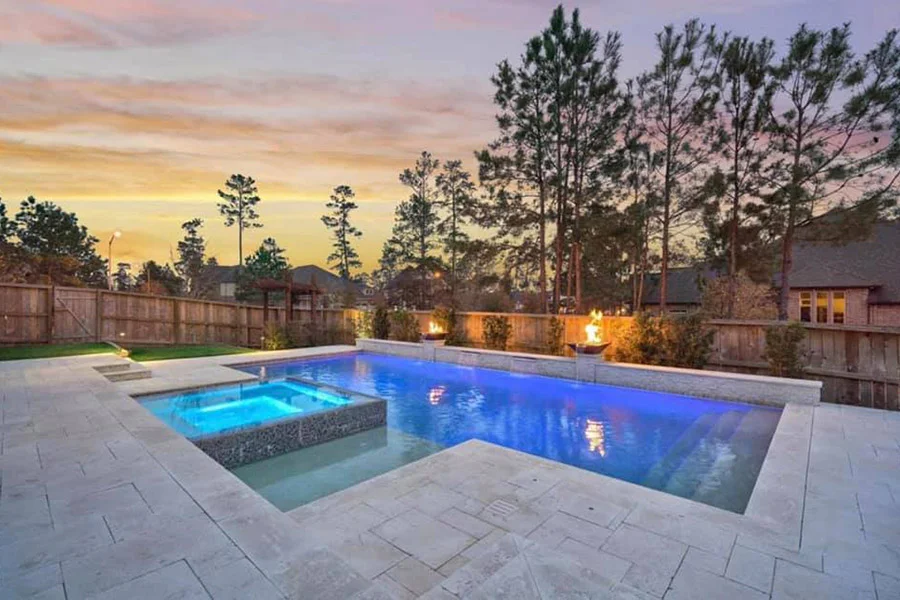
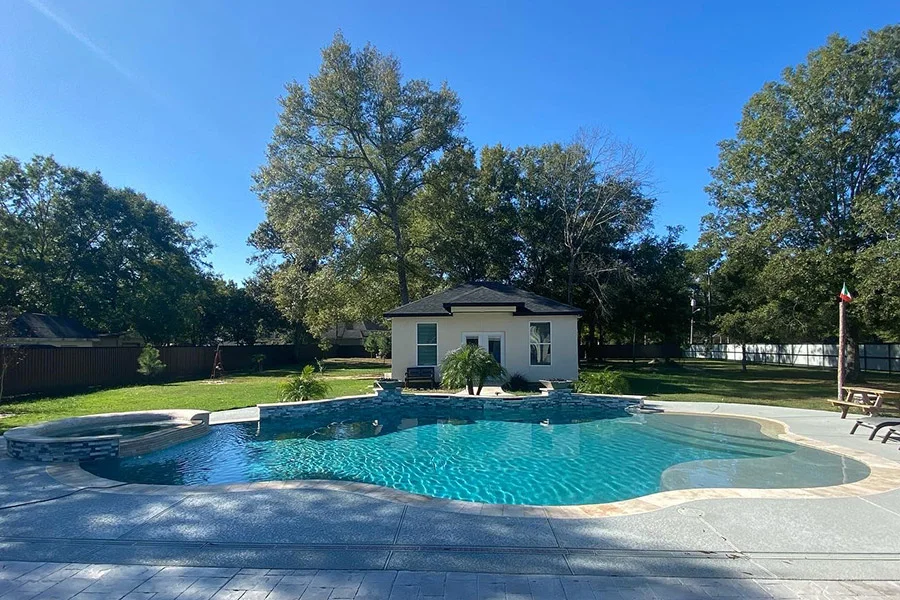
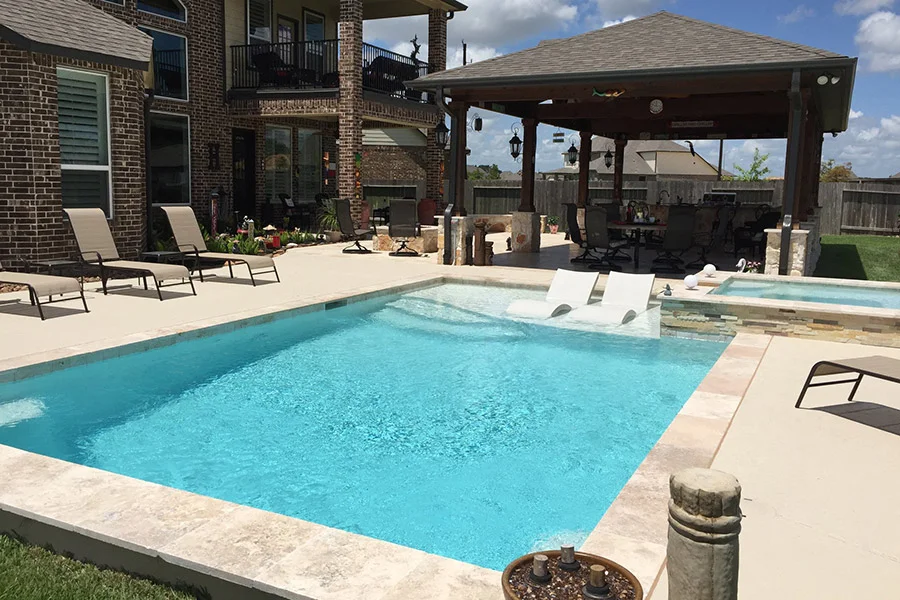
- Pros: This is our specialty at Ocean Blue Pools! Concrete offers unmatched design flexibility, allowing for any custom shape, size, or depth you can imagine. They are incredibly durable and can last 50 to 100 years with proper care. Concrete is also perfectly suited for Houston’s climate, standing up well to our weather conditions. They are ideal for unique features like beach entries, integrated spas, or infinity edges.
- Cons: Concrete pools have the longest installation time, often taking several weeks to months. They also typically incur the highest maintenance costs over time, requiring acid washes every few years and replastering every 10 to 15 years. The surface can also be rougher than other options.
- Curious about a truly unique design? Learn more about How Much Does A Custom Inground Pool Cost.
-
Fiberglass Pools:
- Cost: Fiberglass pools typically fall into the mid-range price bracket, with national averages between $55,000 and $100,000.
- Pros: These pools boast the fastest installation times, often completed in days to weeks. Their smooth, non-porous surface naturally resists algae growth, which means less chemical use and lower maintenance efforts for you. Fiberglass shells are quite durable, with a lifespan of 25 to 30 years, making them a good choice for those looking for lower long-term upkeep.
- Cons: The main limitation of fiberglass pools is their pre-fabricated nature. This means they come in a limited range of shapes and sizes, as they are manufactured off-site and shipped (typically with a maximum width of 16 feet due to transportation restrictions). This limits customization compared to concrete.
- For truly unique designs, fiberglass might not be the best fit. Explore How Much Are Custom Swimming Pools to see what’s possible with concrete.
-
Vinyl Liner Pools:
- Cost: Vinyl liner pools often present the most affordable initial investment, with national costs typically ranging from $40,000 to $75,000.
- Pros: They offer a quicker installation process and a smooth surface. Their initial cost is generally lower than concrete or fiberglass.
- Cons: The vinyl liner will need to be replaced every 5 to 10 years, which can be a significant expense (around $4,500 or more). They are also more susceptible to punctures and are generally less durable than concrete or fiberglass. In our sunny Houston climate, the harsh UV exposure can degrade liners faster over time.
For a clearer picture, here’s a general comparison:
| Pool Material | Initial Cost (National Average) | Maintenance (10-Year Estimate) | Lifespan (Shell/Structure) | Design Flexibility |
|---|---|---|---|---|
| Concrete | $65,000 – $120,000+ | $27,000 – $40,000 | 50-100+ years | Unlimited |
| Fiberglass | $55,000 – $100,000 | $5,000 – $15,000 | 25-30 years | Limited |
| Vinyl Liner | $40,000 – $75,000 | $11,000 – $17,000 | 20+ years (with liner changes) | Moderate |
(Data adapted from sources like the Bob Vila Inground Pool Cost Guide)
How Do Pool Sizes Affect Pricing?
The size of your pool is another major factor in determining its overall cost. More excavation, materials, and labor are naturally required for larger pools.
-
Small Pools (Plunge Pools, Spools, Cocktail Pools):
- Cost: These compact pools can start at a lower price point, often ranging from $20,000 to $50,000, depending on the features you choose. In Texas, a 12×24 inground pool might cost between $30,000 and $70,000.
- Details: Small pools are a fantastic option for homeowners with compact backyards or those simply seeking a more intimate, spa-like experience for relaxation or a quick cool-down. They use less water and chemicals, making them more economical to maintain.
- Thinking about a smaller footprint? Explore Small Plunge Pool Cost.
-
Medium Pools:
- Cost: This category includes most standard family-sized pools, typically falling between $40,000 and $80,000.
- Details: Medium pools offer a wonderful balance, providing ample swimming space for family fun while still fitting comfortably into most Houston backyards.
- A popular size is 12×24 feet. Find out more about How Much Does A 12X24 Inground Pool Cost.
-
Large Pools:
- Cost: For expansive designs, lap swimming, or significant entertainment areas, expect costs to range from $70,000 to $150,000+.
- Details: Large pools often feature more complex designs, varying depths, and can easily accommodate numerous additional features like multiple water features or integrated spas.
What Factors Significantly Impact the Total Cost of a Pool?
Beyond material and size, numerous elements contribute to the final price of your pool. Understanding these factors will help you budget accurately and avoid surprises, especially here in the Greater Houston area.
What Site-Specific Conditions Influence Pool Construction Costs?
The existing conditions of your backyard play a major role in the overall cost. What lies beneath the surface and how accessible your yard is can significantly impact the project.
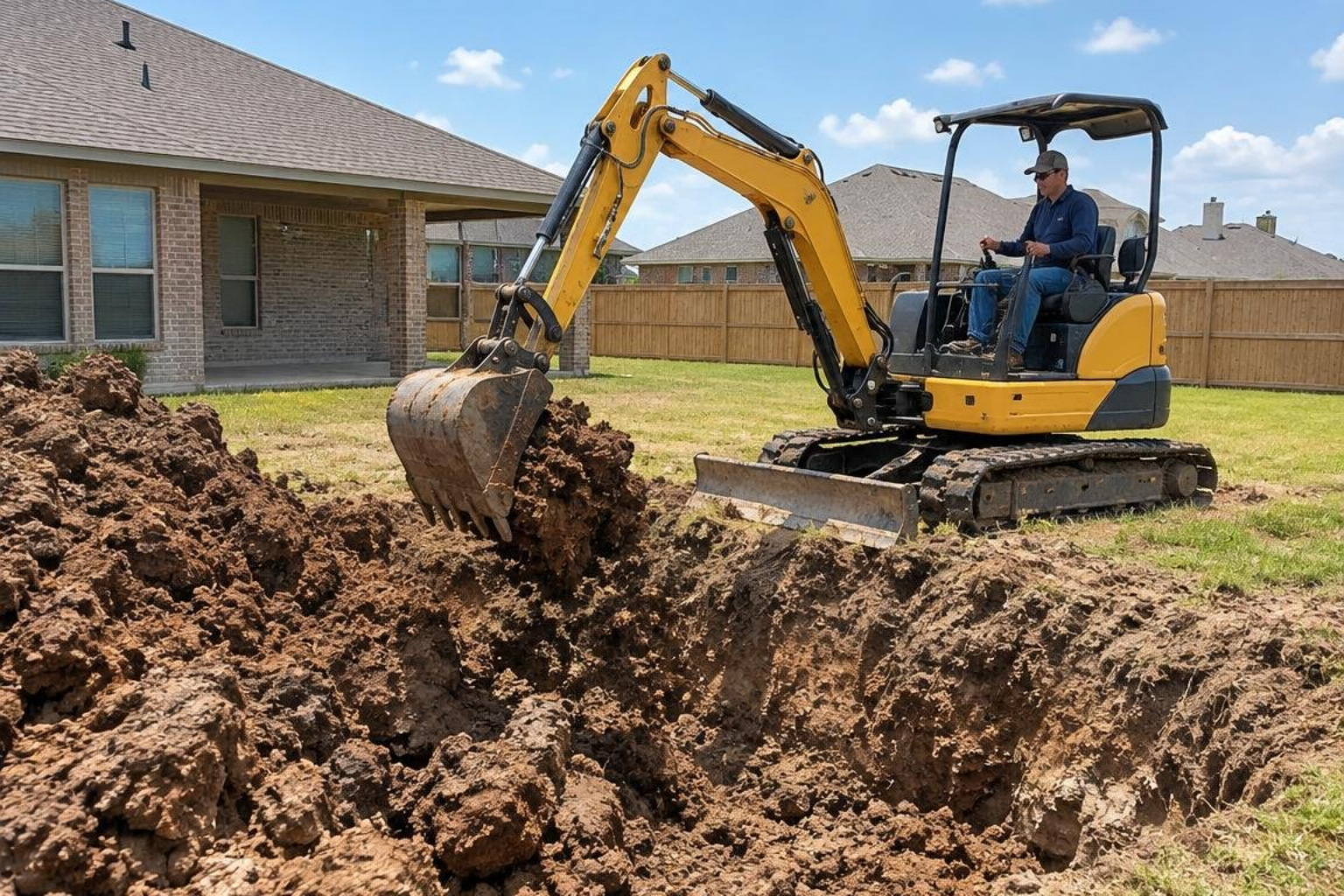
- Excavation: Unexpected challenges during excavation can add thousands to your project. Hitting rock or caliche (a hardened layer of calcium carbonate found in some parts of Texas) requires specialized equipment and more time. Even more common in Houston is expansive clay soil, which requires specific engineering and construction techniques to ensure the pool’s stability and longevity. Difficult access for heavy machinery can also drive up labor costs, as more work might need to be done by hand.
- Grading and Leveling: If your yard has a significant slope, extensive earthwork will be needed to create a stable, level base for your pool. This might include building retaining walls, which adds to both material and labor expenses.
How Do Design Complexity and Custom Features Affect Pricing?
The more customized and elaborate your pool design, the higher the cost. These features transform a simple pool into a truly unique backyard retreat.

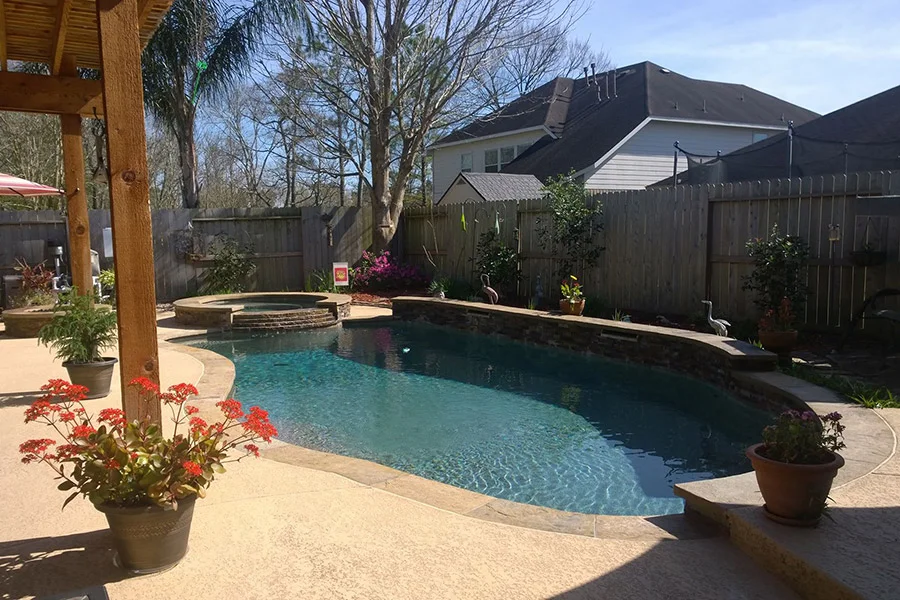
- Shape and Depth: While rectangular pools are generally more straightforward to build, custom shapes like freeform, L-shaped, or kidney designs require more intricate planning and construction, increasing costs. Deeper pools also mean more excavation and materials.
- Water Features: Adding elegant waterfalls, playful deck jets, soothing bubblers, or dramatic sheer descents enhances the aesthetics and ambiance but will add to the overall price.
- Lighting: Upgrading from basic lighting to energy-efficient LED lights, which can change colors and create various moods, is a popular choice but comes with an added cost.
- Integrated Spa: Many homeowners choose to combine a relaxing spa with their pool. This integration requires additional plumbing, heating, and jets, increasing the overall construction cost.
- Automation: Smart pool systems that allow you to control pumps, heaters, lights, and even water features from your smartphone offer incredible convenience, but they are an advanced feature that adds to your investment.
- Explore all the possibilities for your backyard with our Pool Features.
What Are the Typical Labor and Installation Costs?
The expertise and effort involved in bringing your pool to life represent a significant portion of the total cost.
- Labor: Labor typically accounts for a substantial portion of the total pool installation cost, often ranging from 25% to 50%. This encompasses everything from the initial excavation to plumbing, electrical work, material installation, and the final finishing touches. Our skilled craftsmen ensure every detail is handled with precision.
- Permits: Building permits are mandatory for pool construction in all municipalities, including those in the Greater Houston area like Houston, Katy, Cypress, and The Woodlands. These fees can vary, often ranging from a few hundred to over a thousand dollars, and the application process can take several weeks. Rest assured, our team at Ocean Blue Pools helps navigate these local regulations, ensuring your project is compliant from start to finish.
- Location: While we focus on our local Houston and surrounding areas, it’s worth noting that pool costs can differ significantly by region even within Texas. Factors like local demand, material transportation costs, and specific building codes in your particular Houston-area community (like Fulshear, Tomball, or Spring) all play a role in the final price.
- For specific insights into our region, check out Cost To Install A Pool In Houston.
What Additional and Ongoing Expenses Should Homeowners Budget For?
Building your pool is just the first step. A comprehensive budget also accounts for essential additions that enhance your outdoor living space and the long-term costs of ownership.
What Additional Expenses Are Necessary for Pool Completion?
These elements transform your pool into a complete and functional backyard retreat.
- Decking and Patio: The area surrounding your pool is important for both safety and enjoyment. Options range widely in cost, from basic concrete to more elaborate pavers, natural stone, or even wood. The size and material you choose for your patio will significantly impact the budget.
- Fencing: Most local regulations, including those across Houston, Harris County, and Fort Bend County, require a safety fence around your pool. This is a non-negotiable expense, essential for safety and compliance with local codes.
- Landscaping: Integrating your new pool into your backyard’s aesthetic often involves new landscaping. This can range from simple, strategic plantings to elaborate garden designs that create a lush, private oasis.
- Safety Features: Beyond required fencing, many homeowners choose additional safety measures like automatic pool covers, gate alarms, or child safety nets for added peace of mind.
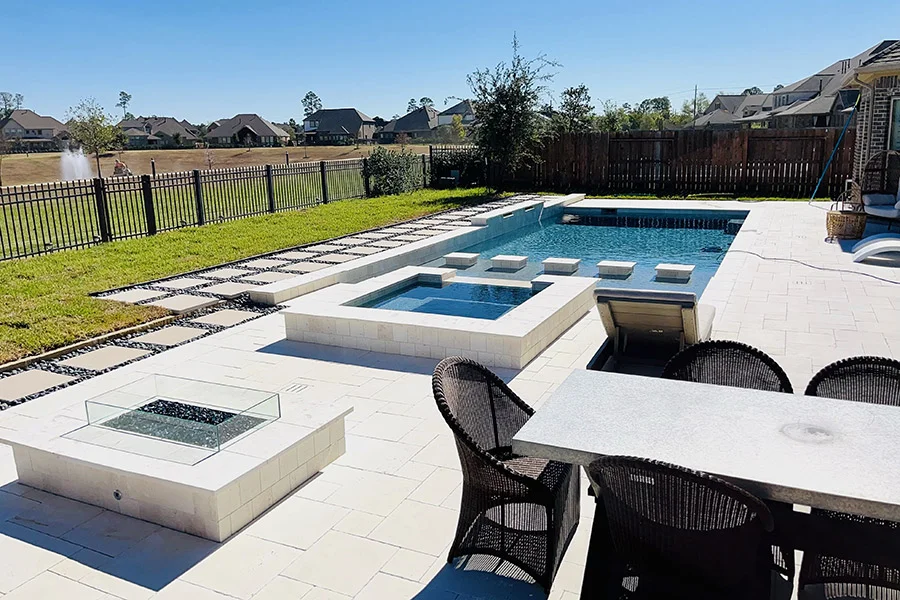
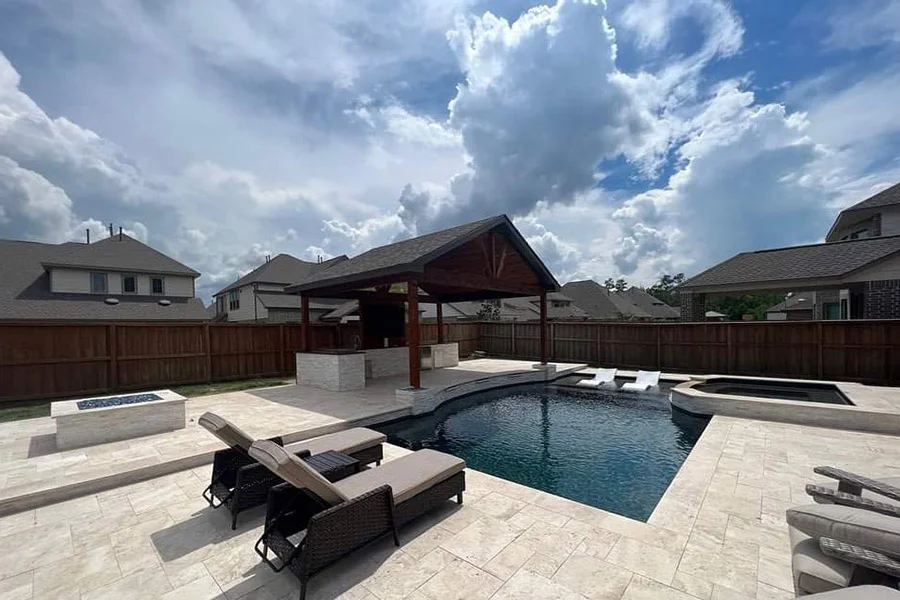
- Outdoor Living Spaces: Many of our clients choose to enhance their pool area with complementary outdoor living spaces, such as outdoor kitchens, cozy fire pits, or elegant pergolas. These additions create a complete backyard experience, perfect for entertaining or relaxing.
- Discover how we can create a cohesive outdoor space for you: Outdoor Living Spaces.
What Are the Ongoing Maintenance and Operational Costs?
Once your pool is built, there are regular costs associated with keeping it sparkling clean and ready for enjoyment.
- Maintenance: Expect to budget for chemicals and routine cleaning. If you prefer to handle it yourself, this might be $1,080-$1,800 annually. For professional service, which many of our clients appreciate, costs typically range from $65-$200 per month. Fiberglass pools generally have lower ongoing maintenance costs due to their non-porous surface.
- Utilities: Your pool will impact your utility bills. Electricity for pumps and heaters can add $100-$600 to your monthly bill, especially during our hot Houston summers when the pump runs more frequently. Water evaporation, particularly in Houston’s warm, humid climate, means regular refilling, which will also contribute to your water bill.
- Repairs: Over time, equipment will eventually need repair or replacement. For concrete pools, resurfacing is recommended every 10 to 15 years, which can cost $10,000-$20,000. Vinyl liners, as mentioned, need replacement every 5 to 10 years.
- Winterization: One of the perks of living in Houston is that full winterization (draining and covering for freezing temperatures) is rarely needed. This saves you an annual expense common in colder climates, allowing you to enjoy your pool for more of the year.
Does Adding a Pool Increase Home Value, and What is the Typical ROI?
A pool is an investment in your lifestyle, but it can also affect your home’s financial standing.
- Home Value: A well-designed and meticulously maintained inground pool can certainly increase your home’s value, often by 5% to 10%, especially when it’s integrated with an attractive outdoor living space. However, it’s important to note that the return on investment (ROI) is often lower than some other home improvements due to the ongoing maintenance responsibilities.
- Property Taxes: Installing a pool is considered a significant home improvement. As such, it will likely increase your property’s assessed value, leading to higher annual property taxes in your Houston-area community.
- Insurance: Your homeowner’s insurance policy will need to be updated once your pool is completed. A pool represents an increased liability, so you should expect a slight increase in your premiums.
How Can Homeowners Save Money and What Financing Options Are Available?
Building a pool is a significant investment, but there are smart ways to manage costs and explore financing to make your dream a reality. We’re here to help you navigate these options.
What Strategies Can Help Reduce Pool Construction Costs?
Thoughtful planning can help you get the most value from your pool project.
- Off-Season Installation: Scheduling your pool build during the “off-season”—typically fall or winter here in Houston—can sometimes lead to better pricing or quicker turnaround times. Builders often have more availability during these months, which can translate into more efficient project completion. Plus, your pool will be perfectly ready to enjoy by the time our hot Texas summer arrives!
- Phased Upgrades: If your budget is tight upfront, consider installing essential pool features first. More elaborate elements like waterfalls, advanced automation, or extensive landscaping can always be added in phases down the road.
- Energy-Efficient Equipment: While they might have a higher initial cost, investing in variable-speed pumps, LED lighting, and efficient heaters can significantly reduce your long-term utility bills, saving you money over the life of your pool.
- Smart Design Choices: Opting for a simpler pool shape or a slightly smaller size can reduce initial construction costs without sacrificing enjoyment. Our design team can help you find the perfect balance for your needs and budget.
- Professional Guidance: While the idea of a DIY pool might seem appealing to save money, for inground pools, professional installation is absolutely necessary. This ensures structural integrity, safety, and preserves your warranty. Our team at Ocean Blue Pools ensures your project is built right the first time, preventing costly issues down the road.
What Financing Options Are Available for Building a Pool?
Making your dream pool a reality often involves exploring various financing avenues.
- Home Equity Loans/Lines of Credit: Many homeowners in the Houston area leverage the equity they’ve built in their homes to finance a pool. These options often offer favorable interest rates.
- Personal Loans: Unsecured personal loans can be an option, though they may have higher interest rates compared to home equity products.
- Specialized Pool Loans: Some lenders offer loans specifically tailored for pool construction, often in partnership with pool builders.
- Builder Financing: At Ocean Blue Pools, we understand that financing is a key part of your decision. We can discuss various financing options and connect you with trusted partners to help make your custom pool project affordable and accessible.
- Learn more about how we can help with your budget on our Pricing page.
Frequently Asked Questions About Pool Costs
What is the best time of year to build a pool in Houston?
The fall and winter months are often ideal for pool construction in Houston. While the weather can be a bit unpredictable, there’s typically less demand for pool builders, which can lead to more efficient scheduling and potentially better pricing. Plus, your pool will be perfectly ready to enjoy by the time the glorious hot Texas summer arrives!
How long does it typically take to build an inground pool?
From initial design to your first refreshing swim, the process usually takes 8 to 12 weeks. This timeframe includes important steps like securing permits (which can take 2-6 weeks), the excavation phase (typically about 1 week), and the main construction (4-8 weeks). That highly custom designs or complex features can sometimes extend this timeline a bit.
Why are custom pools more expensive than standard designs?
Custom pools, like those Ocean Blue Pools specializes in, are designed specifically for your vision and backyard. This involves creating unique shapes, depths, and integrating bespoke features tailored to your lifestyle. This personalized approach requires more intricate design work, specialized labor, and often more complex material usage compared to a standard, pre-designed pool. While the investment is higher, the result is a truly unique and personalized oasis that perfectly fits your home and desires.
Your dream backyard oasis is within reach, and understanding the costs involved is the first step. At Ocean Blue Pools, we’re committed to transparency and craftsmanship, ensuring your investment brings years of joy and relaxation. We invite you to explore our process and see how we can transform your backyard into a custom paradise.