Why Understanding Small Plunge Pool Cost Matters Before You Build
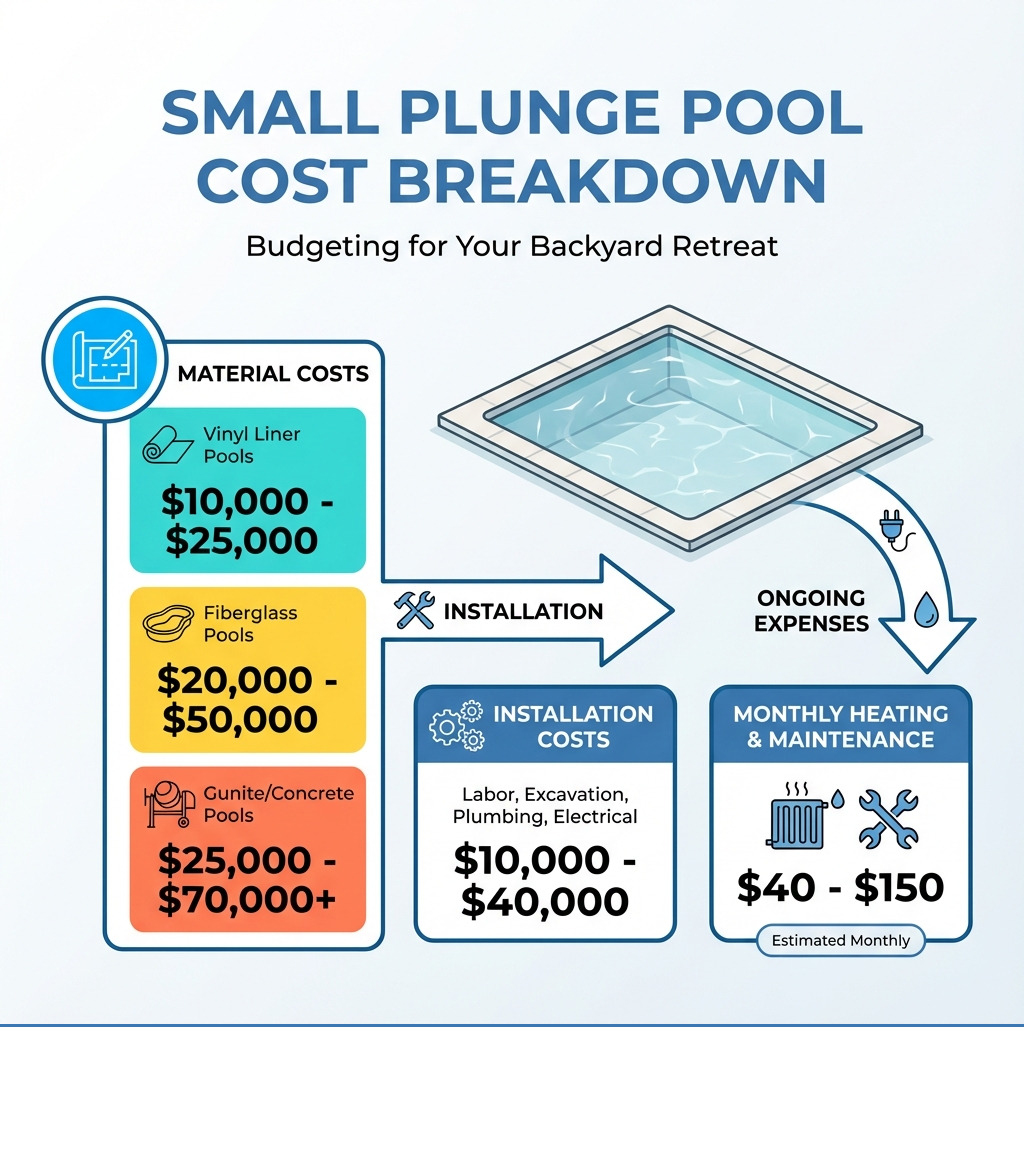
Small plunge pool cost typically ranges from $20,000 to $70,000+ depending on materials, features, and installation complexity. Here’s what you can expect:
Quick Cost Overview:
- Vinyl plunge pools: $10,000 – $25,000
- Fiberglass plunge pools: $20,000 – $50,000
- Concrete/Gunite plunge pools: $25,000 – $70,000+
- Installation labor: $10,000 – $40,000 (excavation, plumbing, electrical)
- Monthly heating & maintenance: $40 – $150
If you’re dreaming of a refreshing backyard retreat but don’t have space for a full-size pool, you’re not alone. Houston homeowners are increasingly choosing plunge pools — compact, stylish alternatives that deliver big relaxation without the big footprint.
But here’s the challenge: plunge pool pricing can feel confusing. You’ll see quotes that vary wildly, and it’s hard to know what you’re actually paying for.
The truth is, size isn’t the only thing that matters. Materials, features, site prep, and local permits all play a role. A basic vinyl plunge pool might start around $10,000, while a custom gunite design with heating, lighting, and water features can easily climb past $70,000.
That’s why we’ve put this guide together — to give you honest, straightforward answers about what plunge pools really cost, what factors drive the price, and how to budget for the backyard retreat you’ve been picturing.
Whether you’re cooling off after a hot Houston summer day or soaking under the stars year-round, understanding these costs upfront means no surprises later.
What is a Plunge Pool and Why Are They So Popular in Houston?
In the Greater Houston area, a cool dip is always a welcome treat during our long summers. That’s why plunge pools have become such a delightful addition to many backyards. So, what exactly is a plunge pool?
Simply put, a plunge pool is a smaller, often deeper, pool designed for relaxation, cooling off, and low-impact hydrotherapy rather than extensive swimming. You might also hear them called “dipping pools” or “cocktail pools” because they’re perfect for a refreshing dip or enjoying a cool drink poolside.
Their appeal in Houston comes from offering the benefits of a water feature without a large footprint. For those with smaller backyards or who want to preserve space for patios or gardens, a plunge pool turns a compact area into a personal oasis. It’s about maximizing enjoyment in a manageable space.
Plunge Pool vs. Traditional Pool
It’s helpful to see how a plunge pool stacks up against a traditional swimming pool. The differences are quite clear and often highlight why a plunge pool might be the perfect fit for your home.
Let’s look at the key distinctions:
- Size Comparison: Traditional pools are designed for swimming laps and are typically much larger. Plunge pools are compact, usually ranging from 6 to 12 feet wide and 10 to 20 feet long. While their footprint is smaller, they can be deeper, often between 4 to 8 feet, with custom designs up to 10 feet for hydrotherapy. This smaller size is a big reason for the lower small plunge pool cost.
- Water Volume: Because of their reduced size, plunge pools use significantly less water—sometimes as much as 80% less than a full-sized inground pool. This is a great benefit for water conservation and can lower your utility bills.
- Intended Use: A traditional pool is built for active swimming and hosting large gatherings. A plunge pool’s purpose is focused on relaxation, wading, soaking, or enjoying low-impact water exercises, perhaps with jets. You won’t be doing laps in a plunge pool, but you’ll find a refreshing escape.
- Maintenance Differences: Less water means less to maintain. Plunge pools require fewer chemicals, less cleaning time, and less energy to heat or filter, making their ongoing care simpler and more affordable.
The Pros and Cons of Owning a Plunge Pool
Like any significant home addition, plunge pools have wonderful advantages and a few considerations. We believe in being transparent, so let’s lay them out:
Pros:
- Lower Installation Cost: Generally, the initial small plunge pool cost is considerably less than a full-sized inground pool, making a backyard retreat more attainable.
- Less Maintenance: With a smaller water volume, you’ll spend less time and money on chemicals, cleaning, and general upkeep.
- Faster Heating: If you opt for a heated plunge pool (which many Houston homeowners do), its smaller size means it heats up much quicker, saving on energy costs.
- Ideal for Small Yards: If your backyard in Katy, Sugar Land, or Cypress isn’t huge, a plunge pool is a fantastic way to add a water feature without sacrificing outdoor living space.
- Water Efficiency: Using less water is good for your wallet and the environment.
- Year-Round Use: Especially with a heater, your plunge pool can become a year-round haven, perfect for cooling off in summer and a warm soak in winter.
- Adds Home Value: A well-designed plunge pool can improve your home’s appeal and value, particularly for buyers looking for a low-maintenance, luxurious outdoor space.
Cons:
- Limited Swimming Space: If competitive swimming or cannonball contests are on your must-have list, a plunge pool isn’t designed for laps.
- Smaller Capacity for Guests: Perfect for 2-4 people to relax comfortably, a plunge pool isn’t built for a big pool party.
- Not Ideal for Pool Games: Forget volleyball or Marco Polo; plunge pools are better suited for quiet enjoyment and relaxation.
Breaking Down the Average Small Plunge Pool Cost
Let’s talk numbers. Understanding the average small plunge pool cost is the first step in planning your backyard oasis. While we mentioned a broad range earlier, let’s dive deeper into what contributes to that investment.
The average cost to install an inground plunge pool starts around $27,000, but can range from $15,000 to $40,000 for simpler designs, and often climbs to $55,000-$75,000 or more with custom features. This is considerably less than the estimated $90,000 for a full-sized inground swimming pool.
This cost includes the pool material, site prep, installation labor, and any special features you choose. Every project in Houston, Fulshear, or Tomball is unique, and we’ll work closely with you to tailor a solution that fits your vision and budget.
Understanding the Small Plunge Pool Cost by Material
The material you choose for your inground plunge pool is one of the biggest factors influencing the initial small plunge pool cost and its long-term enjoyment. Each material offers unique benefits and price points.
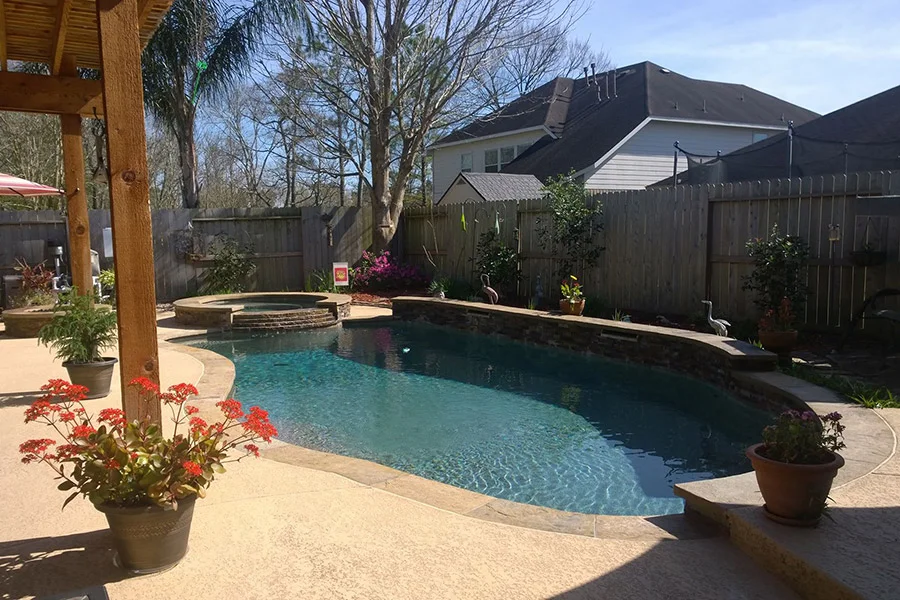
- Concrete (Gunite) Pools: As experts in gunite construction, we know why concrete plunge pools are so popular. They offer unparalleled durability and complete customization of shape, size, and depth. This flexibility means your plunge pool can perfectly complement your unique backyard in Conroe or Magnolia. Concrete pools are a premium option, typically costing between $25,000 and $70,000, and can last 50 years or more with proper care. Their longevity and bespoke design capabilities make them a worthwhile investment. You can learn more about the quality of these pools in our Gunite Pool Review Houston.
- Fiberglass Pools: Fiberglass plunge pools are pre-fabricated shells delivered to your site for a quicker installation process compared to concrete. They have a smooth, non-porous surface, which can mean less algae growth and easier cleaning. Fiberglass plunge pools typically cost between $20,000 and $50,000. While they offer less customization than gunite, they are a durable and efficient option.
- Vinyl Liner Pools: Vinyl liner plunge pools are generally the most budget-friendly inground option, with costs from $10,000 to $25,000. Installation is often quicker than concrete pools. The liner offers some aesthetic flexibility, but it will need to be replaced every 5 to 10 years, which is an ongoing cost to consider.
Installation and Site Prep Expenses
Beyond the pool shell, a significant portion of your small plunge pool cost will go towards preparing your site and installation. This is where our expertise shines, ensuring a smooth process.
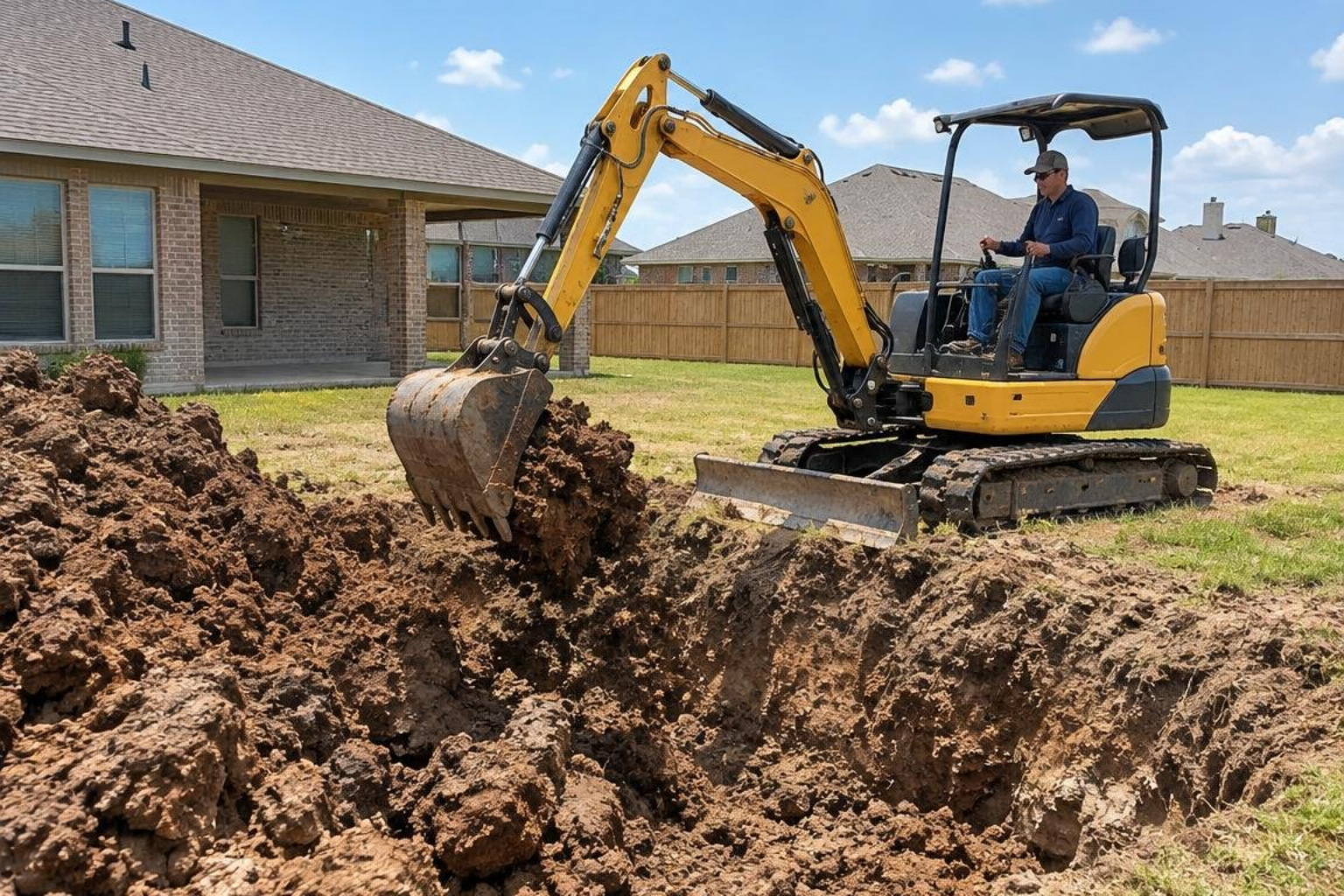
- Excavation Costs: Digging is a must for an inground pool. Excavation costs can vary widely, from $500 to $5,000, or $100 to $300 per hour, depending on your property. In Greater Houston, we often encounter clay soil, which can impact digging time. Before we break ground, we’ll often conduct a soil test (around $110) to understand the ground conditions and ensure a stable foundation.
- Site Accessibility Challenges: If your backyard in Richmond or Spring is tricky to access for heavy machinery, it might mean more manual labor, which can increase costs. We’ll assess this during our initial visit.
- Plumbing and Electrical Work: Your plunge pool needs proper plumbing for circulation and filtration, and electrical wiring for pumps, filters, and lighting. This specialized work requires licensed professionals, and labor costs typically range from $40 to $150 per hour.
- Permit Fees: Before construction begins, we’ll secure the necessary permits. Whether you’re in Houston, Katy, or surrounding counties, permit costs can vary. For a custom inground plunge pool, these fees typically range from $2,000 to $3,000. We’ll help you steer this process to ensure everything is up to code.
- Fencing Requirements: For safety, many areas in Greater Houston require a fence around any pool. Fencing installation can range from $1,500 to $10,000 or $20 to $60 per linear foot, depending on the material. We’ll make sure you understand all local regulations regarding pool safety.
Key Factors That Shape Your Plunge Pool’s Final Price Tag
Once we’ve covered the basics of the pool material and installation, it’s time to talk about how you can truly make your plunge pool your own. The features and customizations you choose play a big role in the final small plunge pool cost, but they also dramatically improve your enjoyment and the overall aesthetic of your backyard retreat.
Popular Add-Ons and Custom Features
These are the elements that transform a simple pool into a true oasis:
- Heating Systems: To truly enjoy your plunge pool year-round in Houston, a heating system is a wonderful investment. Imagine a warm soak on a cool winter evening! Installation of a heat pump is usually less than $7,000. You have a few options:
- Gas Heaters: These heat quickly but can be more expensive to operate ($300-$1,200 per year) due to the cost of natural gas or propane.
- Electric Heat Pumps: More energy-efficient and cost-effective ($200-$700 per year) in the long run, especially for maintaining a consistent temperature. Many Houston homeowners opt for these.
- Solar Heaters: The most eco-friendly option, with very low operating costs ($0-$200 per year), but they rely on sunlight and might not provide consistent heat during cloudy periods or colder months.
- Swim Jets and Resistance Systems: If you’d like to get a bit of exercise in your compact pool, swim jets are a fantastic addition. These create a current that allows you to “swim in place” for a low-impact workout or enjoy a full-body submersion therapy. Swim jets can range anywhere from $2,000 to well over $6,000.
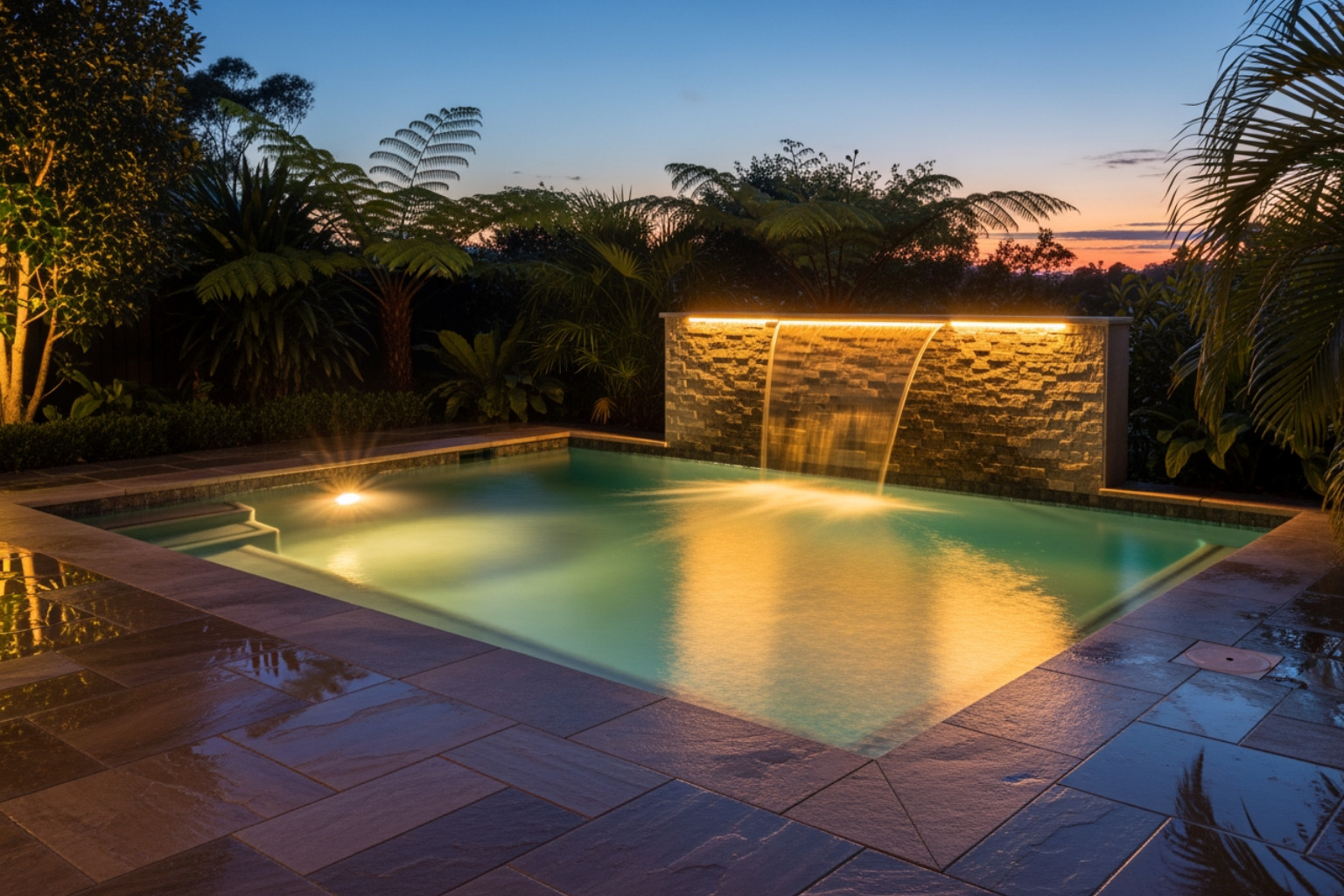
- LED Lighting: Installing lighting inside and around your plunge pool creates a dramatic and inviting effect, especially for evening enjoyment. It can cost about $700 to $2,000, adding both beauty and safety.
- Water Features: Cascading waterfalls, gentle bubblers, or sheer descents can add a soothing ambiance and visual interest. These can range from $850 for something simple to over $4,500 for more elaborate designs and technologies.
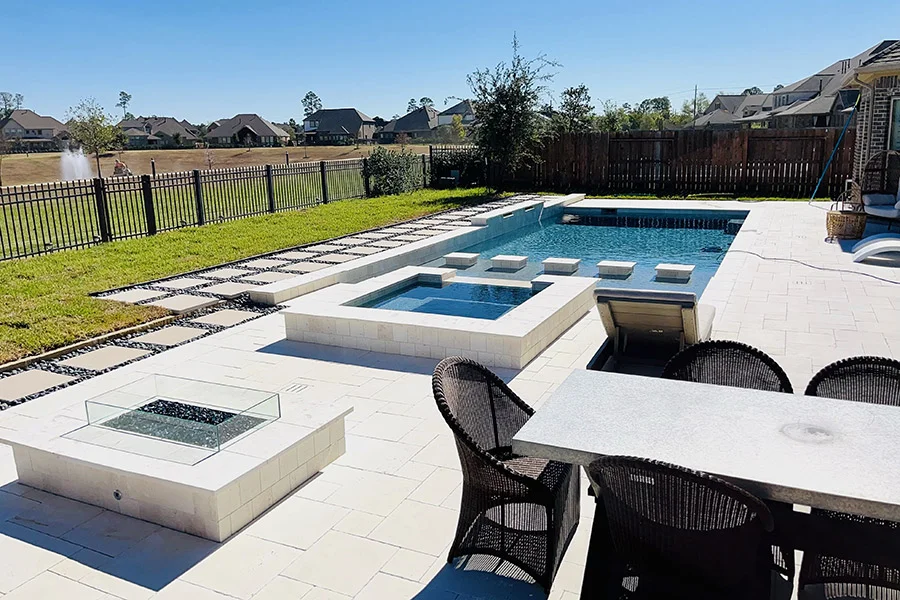
- Tanning Ledges and Benches: For ultimate relaxation, consider integrating a tanning ledge (also known as a Baja shelf) or built-in benches into your gunite plunge pool design. These allow you to lounge partially submerged and are perfect for unwinding. A built-in bench feature can cost between $2,800 and $9,500.
For more inspiration on how these features can improve your pool, take a look at our Best Pool Designs Houston page.
Ongoing Ownership and Energy Costs
It’s wise to think beyond the initial small plunge pool cost and consider the ongoing expenses of ownership. While plunge pools are generally more affordable to maintain than larger pools, there are still some factors to budget for.
- Monthly Utility Bills: Heating and running the pool’s pump and filter system will add to your utility bill. Depending on your region, pool size, and how often you heat it, this can add $40 to $150 per month. In our warm Houston climate, this might be on the lower end for much of the year unless you’re keeping it steamy warm through the winter.
- Chemical and Cleaning Expenses: Maintaining proper water chemistry is essential. If you handle cleaning and chemicals yourself, you might spend $500 to $1,000 per year. If you prefer professional pool cleaning services, this could range from $1,000 to $3,000 per year.
- Saltwater vs. Chlorine Systems: Many homeowners choose saltwater systems for a softer feel and easier maintenance. An upfront investment of $1,000 to $2,500 for a saltwater chlorinator can lead to lower annual chemical costs ($100-$400) compared to traditional chlorine pools ($300-$800 annually).
- Potential Repair Costs: Like any mechanical system, pumps, filters, and heaters will eventually need maintenance or replacement. For the pool structure itself, gunite pools are incredibly durable, but if issues arise, concrete repair can cost $500 to $2,000 as needed, and resurfacing might be $5,000 to $10,000 after many years. Fiberglass pools might need repairs costing $200 to $1,000 as needed.
Planning Your Project: From Permits to Payoff
Starting a plunge pool project is an exciting journey, and we want to ensure you’re well-equipped for every step. Thorough planning, from understanding local regulations to considering the long-term value, helps ensure a smooth and satisfying experience.
Permits, Regulations, and Home Value
Before any shovels hit the ground, it’s important to understand the rules and how your new plunge pool will impact your home’s value.
- Navigating Local Houston Permits: We’ll guide you through the necessary permitting process. In Greater Houston and surrounding areas like Katy or Sugar Land, permits are required for pool construction, excavation, and electrical work. These ensure your pool is built safely and to local codes. Costs for permits for a custom inground plunge pool typically range from $2,000 to $3,000.
- Homeowners Association (HOA) Rules: If your home is part of an HOA, there might be additional guidelines regarding pool size, placement, and design. It’s always a good idea to check with your HOA early in the planning stage.
- Lifespan and Warranties: A plunge pool is an investment designed for years of joy. Gunite pools, our specialty, are known for exceptional longevity, often lasting 50 years or more with proper care. Fiberglass pools also offer long lifespans and substantial warranties. We’ll discuss specific warranties during the design process.
- Home Value: Does a plunge pool add value to a home? Absolutely. A well-designed and maintained plunge pool can significantly improve your property’s appeal. Its smaller footprint and lower maintenance can be very attractive to potential buyers. According to the National Association of Realtors’ “Remodeling Impact Report: Outdoor Features,” an inground plunge pool can be a valuable addition. You can read more about how pools impact home value in their report here. We believe in a transparent Our Process from start to finish.
What Are the Ongoing Maintenance Costs? A Look Beyond the Initial Small Plunge Pool Cost
We’ve talked about the initial small plunge pool cost, but what about keeping it sparkling? The good news is that ongoing maintenance for a plunge pool is much more manageable than for a traditional large pool.
Here’s a comparison of estimated annual maintenance costs:
| Expense Category | Plunge Pool (Estimated Annual) | Traditional Pool (Estimated Annual) |
|---|---|---|
| Chemicals | $300 – $1,000 | $800 – $1,500+ |
| Energy (Pump/Heat) | $200 – $1,800 | $1,000 – $3,000+ |
| Cleaning (DIY) | $500 – $1,000 | $1,000 – $1,500+ |
| Cleaning (Pro) | $1,000 – $3,000 | $2,000 – $4,000+ |
| Total (DIY) | $1,000 – $3,800 | $2,800 – $6,000+ |
| Total (Pro) | $1,500 – $5,800 | $3,800 – $8,500+ |
- DIY vs. Professional Service Costs: You can handle daily cleaning and chemical balancing yourself, which saves money but requires time. If you prefer to have a professional handle it, you can expect to pay $80 to $150 per month, or $1,000 to $3,000 annually. Many of our clients appreciate the peace of mind that comes with professional care.
- Winterization in the Houston Climate: Even with our mild Houston winters, proper winterization is still important. This protects your pool equipment from potential freezes and helps keep your pool clean during less frequent use. Winterization services typically cost $200 to $500 per year. A good pool cover (ranging from $100 for a basic manual cover to $6,000 for an automated one) can also help reduce debris and maintain water temperature, cutting down on cleaning and heating costs.
Frequently Asked Questions about Plunge Pools
We get a lot of great questions about plunge pools, and we’re always happy to provide clear answers. Here are some of the most common ones we hear from our neighbors in the Greater Houston area:
Can a plunge pool be used year-round in Houston?
Absolutely! This is one of the biggest appeals of a plunge pool in our lovely Houston climate.
- Heating Options: With a heating system, your plunge pool transforms into a warm, inviting oasis even during our cooler months. Imagine soaking under the stars in January or enjoying a cozy dip after a crisp fall day. Many of our clients tell us they heat their water to steamy temperatures in the winter.
- Cooling in Summer: Conversely, during the peak of summer, your plunge pool is perfect for taking a refreshing, cool dip. Some advanced heat pumps can even act as “heat/chill” systems, allowing you to cool the water down when the temperatures really soar.
- Hot Tub Functionality: When heated, a plunge pool can easily serve as a luxurious hot tub, especially with added jets. This dual functionality means you get more use and enjoyment out of your investment throughout the entire year.
- Year-Round Enjoyment: Whether it’s a cool respite from the summer sun or a warm sanctuary in the cooler months, a plunge pool truly offers year-round enjoyment, making it a fantastic addition to any Houston backyard.
What are some ways to make a plunge pool more budget-friendly?
We understand that everyone has a budget, and we’re dedicated to helping you achieve your dream pool without breaking the bank. Here are a few smart ways to manage your small plunge pool cost:
- Choosing Standard Shapes and Sizes: While custom gunite pools offer endless possibilities, opting for more standard rectangular or square shapes and common sizes can help reduce design and construction costs. Complex curves or unique dimensions often require more specialized labor.
- Limiting Custom Features: Initially, you might choose to focus on the essentials – the pool itself, pump, and filter. Features like elaborate water features, extensive lighting, or high-end finishes can be added later as phased upgrades, or simply chosen more conservatively upfront.
- Comparing Material Options: As we discussed, vinyl liner pools are generally the most budget-friendly inground option, followed by fiberglass, and then custom gunite. Understanding these differences can help you make an informed decision based on your priorities and budget.
- Phased Upgrades: Sometimes, it makes sense to build the core pool structure and basic equipment first, then add features like swim jets, advanced lighting, or intricate landscaping in subsequent phases. This allows you to spread out the investment over time.
How deep is a typical plunge pool?
The depth of a plunge pool is one of its distinguishing characteristics, offering versatility for various uses.
- Average Depth Range: Most plunge pools typically range from 4 to 8 feet deep. This depth is perfect for wading, standing, and comfortably submerging your body for relaxation or cooling off.
- Deeper Options for Hydrotherapy: For those specifically interested in hydrotherapy or more intense low-impact exercises with swim jets, some custom gunite designs can go deeper, even up to 9 or 10 feet. This allows for a more complete submersion and effective use of resistance.
- Shallow Options for Lounging: Conversely, some designs might incorporate shallower areas or tanning ledges, perfect for simply lounging in a few inches of water or for small children to splash safely.
- Custom Depth Possibilities: With a custom gunite pool, we have the flexibility to design the depth that best suits your needs and preferences, creating a truly personalized experience for your backyard retreat.
Ready to Design Your Backyard Retreat?
We hope this guide has shed some light on the small plunge pool cost and all the wonderful possibilities they offer. A plunge pool is more than just a water feature; it’s an investment in your lifestyle, creating a personal oasis right in your Houston backyard. It’s a place for relaxation, rejuvenation, and making lasting memories with loved ones.
Here at Ocean Blue Pools, we pride ourselves on quality craftsmanship, trusted experience, and a warm, friendly approach. With over 25 years of building custom pools in the Greater Houston area, we understand what it takes to transform your outdoor space into a dream destination. We’re here to provide honest answers, guide you through every step of the process, and ensure your plunge pool is built with precision and passion.
If you’re ready to explore how an inground plunge pool can improve your home and your life, we’d be delighted to chat. Let’s talk about your vision and how we can bring it to life.
Let’s talk about your dream pool