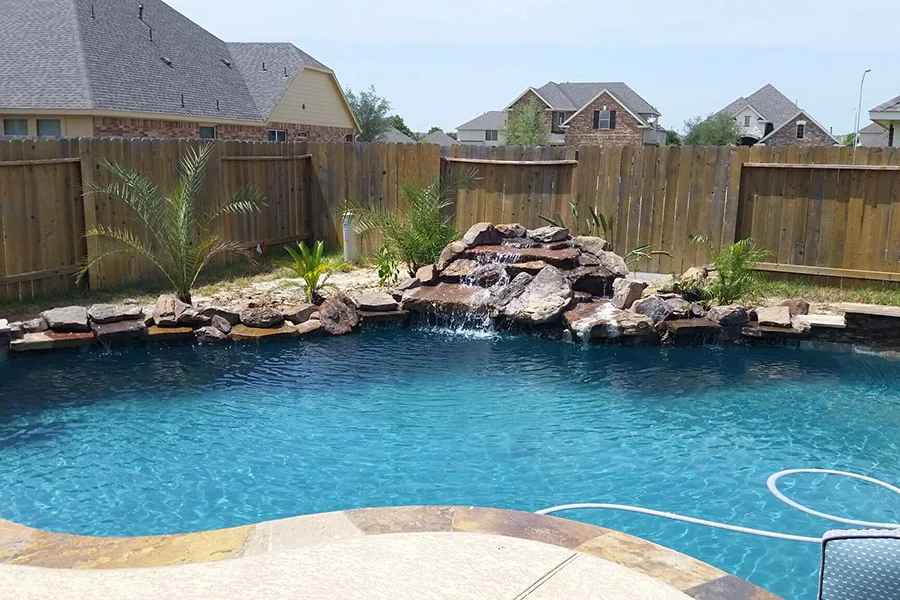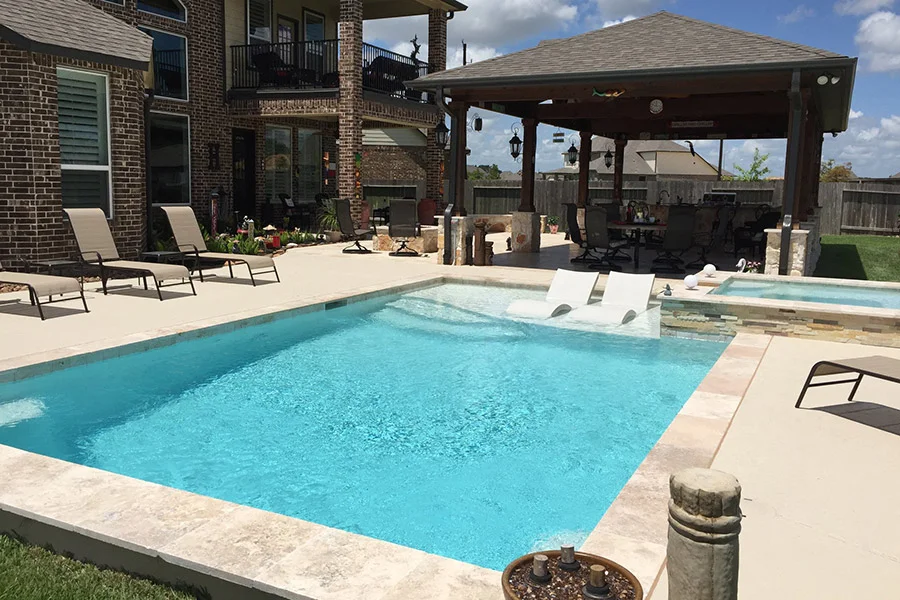
What Is the Gunite Pool Process? A Quick Overview Before We Dive In
The gunite pool process is a method of building an inground pool by spraying a dry concrete mix — sand and cement — through a high-pressure hose, with water added right at the nozzle. This creates a strong, seamless shell over a steel rebar framework, shaped to fit almost any design you can dream up.
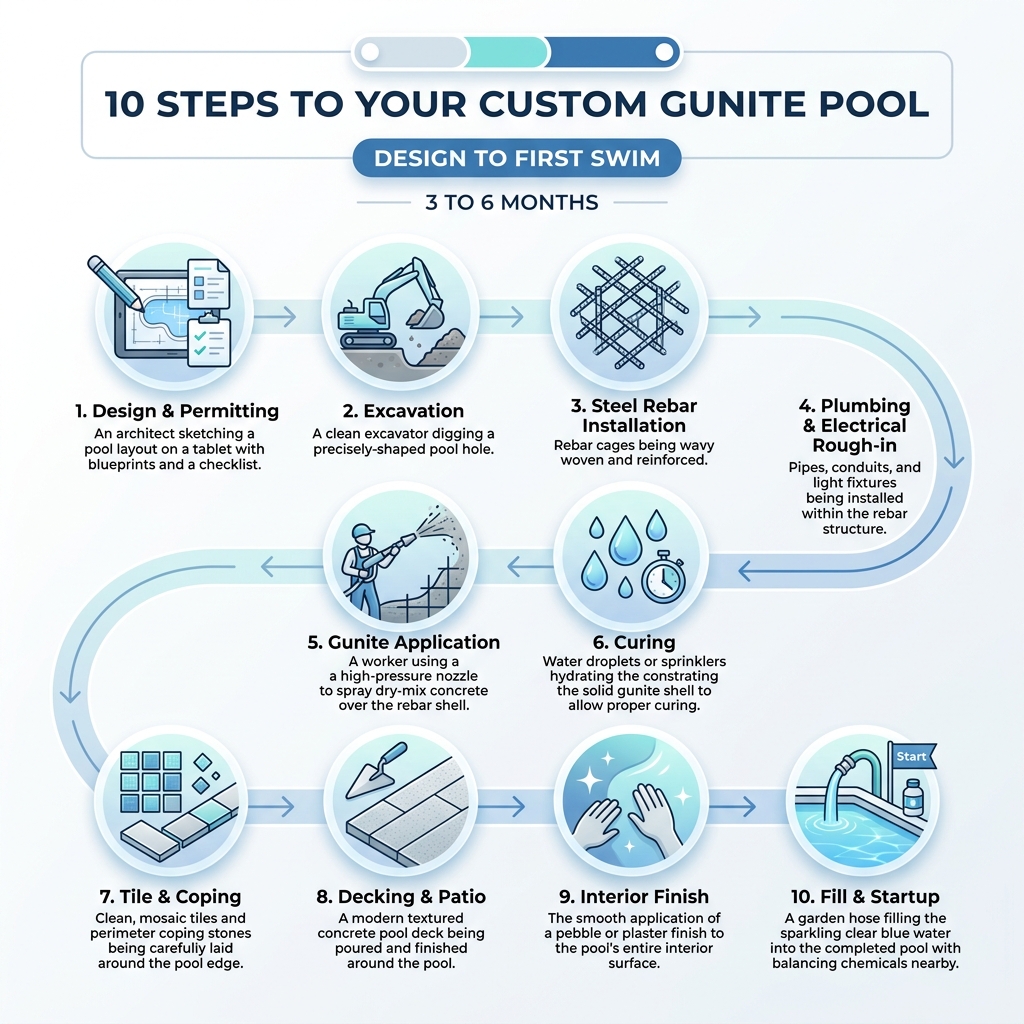
Here’s the gunite pool process at a glance:
- Design and permitting — Finalize your pool layout, features, and get approvals
- Excavation — Dig the pool shape to exact dimensions
- Steel rebar installation — Build the structural skeleton
- Plumbing and electrical rough-in — Lay all systems before the shell goes on
- Gunite application — Spray the concrete shell over the rebar framework
- Curing – Allow the gunite shell to develop strength with proper care
- Tile and coping — Install the decorative and functional perimeter details
- Decking and patio — Pour and finish the surrounding hardscape
- Interior finish — Apply plaster, pebble, or tile to the pool surface
- Fill and startup — Fill the pool with water and start up the equipment
The whole process typically takes three to six months from design to first swim.
Now, if you’ve been dreaming about a custom backyard pool here in Houston, you’ve probably got questions. How does this all actually work? How long will it take? Will there be surprises?
Those are exactly the right questions to ask — and you deserve straight answers before a single shovel hits the ground.
At Ocean Blue Pools, we’ve been building custom gunite pools in Houston for over 25 years. We’ve seen every soil condition, every backyard layout, and just about every curveball a build can throw. This guide walks you through every step of the process, so you know exactly what to expect from day one to your first cannonball.
Understanding the Gunite Pool Process: Why It’s the Gold Standard for Your Backyard Dream
When you start looking into inground pools, you’ll hear a lot of terms thrown around: vinyl, fiberglass, shotcrete, and gunite. In our neck of the woods — from Sugar Land to The Woodlands — gunite is widely considered the gold standard.
But what makes it so special? It comes down to how the material is handled. While “shotcrete” is a general term for sprayed concrete, gunite specifically uses a “dry-mix” method. The sand and cement stay dry in the hopper and only meet water at the very tip of the nozzle. This gives our team incredible control over the mixture, resulting in a pool shell that is remarkably dense and strong.
Unmatched Durability and Design
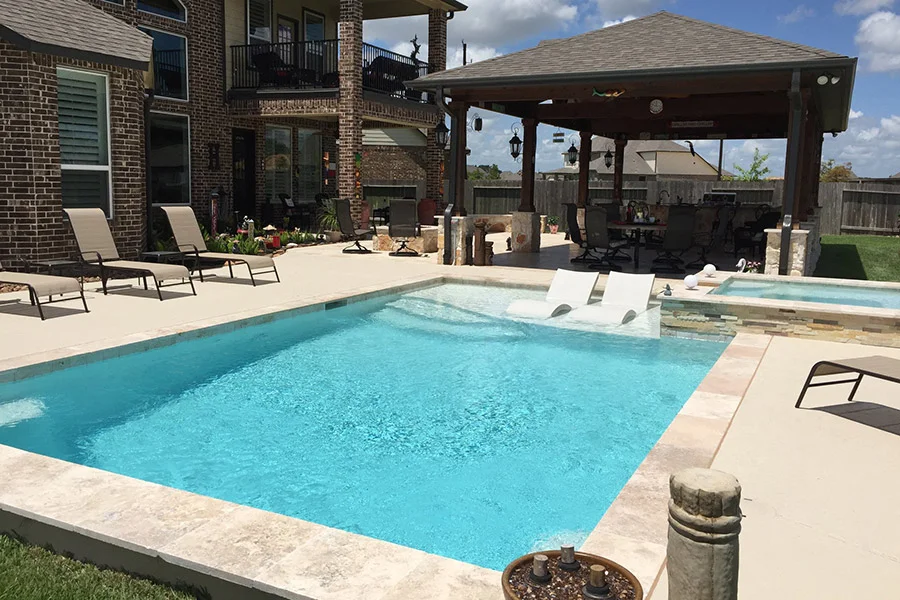
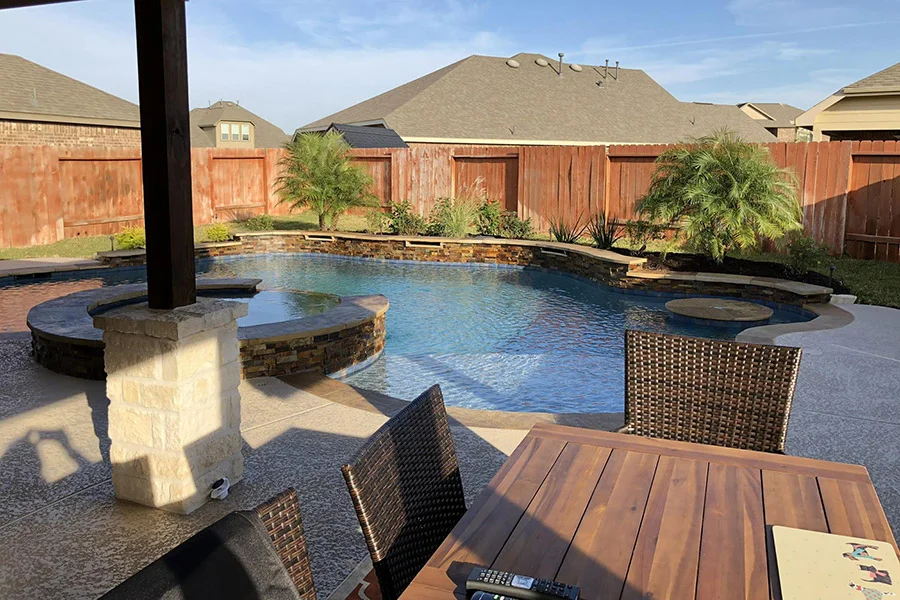
Unlike a fiberglass shell that is pre-made in a factory and shipped on a truck, a gunite pool is built right in your backyard. This means we aren’t limited by highway width or pre-set molds. If you want a specific curve to wrap around your favorite oak tree or a custom tanning ledge for the kids to splash on, gunite makes it possible.
Beyond the looks, a well-planned gunite pool adds significant value to a property, often outperforming other pool types in long-term resale appeal. It’s an investment that can last 50 years or more with proper care.
Phase 1: Designing Your Backyard Vision
Every great Houston backyard starts with a conversation. We don’t just ask how big you want the pool; we ask how you plan to use it. Are you hosting Sunday BBQs? Do you need a deep end for the kids to practice their dives?
We use advanced 3D modeling to show you exactly how the pool will sit in your yard. This stage is where we decide on the “bells and whistles” — things like infinity edges, rock waterfalls, or integrated spas. If you’re looking for inspiration, our custom swimming pool designs guide is a great place to start seeing what’s possible on a flat Houston lot. This is also the time we determine the best pool size for your specific lifestyle and local setbacks.
Phase 2: Preparing Your Space with Care (Excavation and Site Prep)
Once the plans are approved, it’s time to break ground. This is the “messy” part of the gunite pool process, and we like to be upfront about it: your backyard is going to look a bit like a construction zone for a while.
Before the first scoop of dirt is moved, we handle the utility locates via 811. We also navigate the maze of permits and HOA approvals required in cities like Katy or Cypress.
During excavation, our crews carefully dig the pool’s shape. In Houston’s flat terrain, soil management is key. We remove anywhere from 80 to 150 cubic yards of dirt, ensuring the remaining ground is stable and ready for the structure. If you’re feeling a bit overwhelmed by the noise and the dirt, check out our tips on how to survive the many phases of building a pool.
Building the Strong Foundation: Steel Rebar and Plumbing Rough-In
Think of the steel rebar as the “skeleton” of your pool. We use both #3 and #4 rebar as part of the pool’s structural reinforcement. This cage is what gives the concrete its “tensile strength,” allowing it to flex slightly under the massive weight of the water and the pressure of our Texas clay soils without cracking.
While the steel is going in, we also perform the “rough-in” for plumbing and electrical. We install the pipes for the skimmers, returns, and drains, and set the conduits for your pool lights.
A vital part of this stage is “bonding.” Per the National Electrical Code, we connect all the metal components of the pool — the rebar, the equipment, and even the deck grid — into a single path. This ensures that there are no voltage differences, keeping your family safe from electrical stray currents. This attention to detail is the hallmark of quality pool construction.
Crafting the Pool Shell: Gunite Application and the Essential Curing Period
“Gunite Day” is one of the most exciting days of the build. A crew arrives, and the pool truly starts to take its final shape. Using high-pressure hoses, a skilled nozzleman sprays the dry-mix concrete onto the steel framework.
This isn’t just “spraying mud.” It’s an art form. The nozzleman must maintain a 90-degree angle to the surface to ensure the concrete packs in densely around the rebar, preventing any hollow spots or “honeycombs.” We follow strict industry standards to ensure the shell reaches a compressive strength of 4,000 psi.
Caring for the Gunite Shell
After the gunite is sprayed and hand-troweled into its final form, the shell begins developing strength. Proper care during this stage is important to the integrity of the finished pool.
Homeowners should follow the specific gunite care and watering instructions provided by Ocean Blue Pools for their project rather than relying on a universal watering schedule.
The Beautiful Details: Finishing Touches and Water Startup
Once the gunite phase is complete and the shell is ready for the next stage of construction, we move on to the parts you’ll actually see and touch. This is where your pool remodeling or new build dreams really come to life.
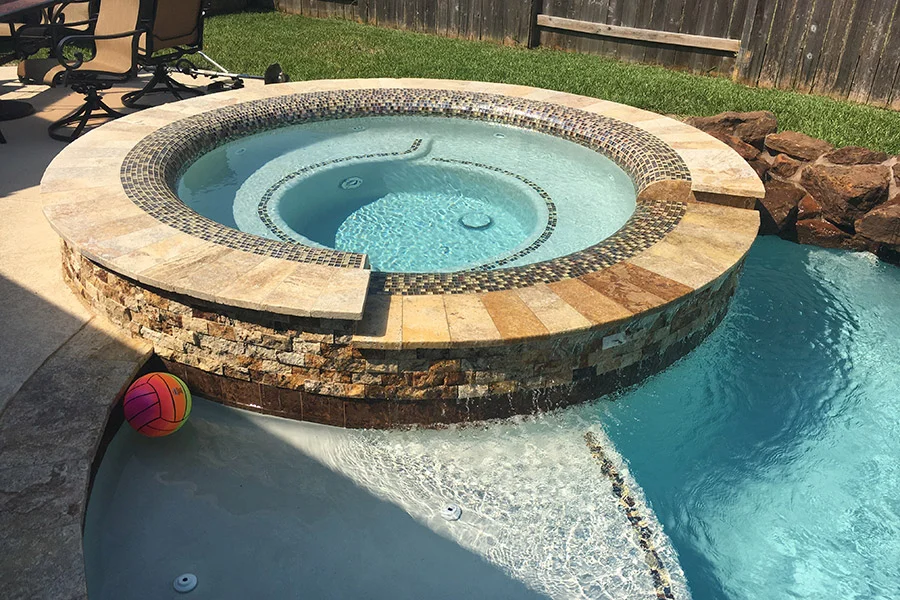
- Tile and Coping: We install a 6-inch decorative tile line at the water level. This isn’t just for looks; it makes the waterline much easier to clean. The “coping” is the stone or brick border that sits on the top edge of the pool wall, providing a safe, non-slip grip for swimmers.
- Decking: Whether you choose stamped concrete, travertine, or pavers, the deck is the “frame” for your pool. We ensure it slopes slightly away from the pool to keep dirt and rainwater out of your clean pool water.
- Interior Finish: This is the final waterproof layer. You can choose classic white plaster or a more modern pebble finish. Pebble finishes are incredibly popular in Houston because they are durable, hide small debris well, and give the water a beautiful, natural color.
Finally, we fill the pool! Our team will perform the startup and show you how to operate your new equipment. We’ll even help you set up leak detection and automation so you can control your pool from your smartphone.
What to Expect: Timelines, Costs, and Keeping Your Pool Beautiful
We believe in being “neighborly” and honest about the numbers. A turnkey gunite pool installation in the Houston area typically starts around $100,000 and can go up depending on the features you choose. While material costs for the gunite and rebar generally range from $70,000 to $90,000, the labor and specialized craftmanship of the crews make up the rest of the investment.
Timeline Reality Check
While some builders might quote you 8 weeks, the reality of the gunite pool process in a busy market like ours is usually 3 to 6 months. Factors like labor shortages and local permitting backlogs can add time, but we work hard to keep things moving.
Long-Term Maintenance
A gunite pool is built to last, but it does require some TLC.
- Weekly Care: You’ll need to brush the walls and check your chemistry. Because gunite is more porous than fiberglass, it likes to hold onto algae if the pH gets out of whack.
- Energy Efficiency: We recommend variable-speed pumps, which can save you 40-60% on your electricity bill compared to old-school pumps.
- Resurfacing: Every 7 to 15 years, you’ll likely want an inground pool remodel to refresh the interior finish. This keeps the pool looking brand new for decades.
For more planning advice, check out our tips for homeowners.
Frequently Asked Questions about Gunite Pools
What is the difference between gunite and shotcrete?
In the pool world, they are often used interchangeably, but there is a technical difference. Gunite is a “dry-mix” where water is added at the nozzle. Shotcrete is a “wet-mix” that arrives pre-mixed in a truck. We prefer gunite because it allows the nozzleman more control, leading to a stronger, more precise shell for custom shapes.
How long does a gunite pool shell last?
With quality construction and proper maintenance, a gunite pool shell can easily last 50 years or more. While you will need to replace the plaster or pebble finish every decade or so, the structural “bones” of the pool are built to last a lifetime.
How does the gunite shell develop strength after application?
After application, the gunite undergoes a hydration process as it develops strength. Proper shell care during this stage is important, so homeowners should follow the project-specific instructions provided by Ocean Blue Pools. OBP uses gunite rated at 4,000 psi.
Ready to Transform Your Backyard?
At Ocean Blue Pools, we aren’t just building structures; we’re building the backdrop for your family’s best memories. Whether you’re in Fulshear, The Woodlands, or right in the heart of Houston, we bring 25 years of local expertise and Southern hospitality to every project.
We know that a pool is a big decision. That’s why we prioritize transparency, craftsmanship, and a process that won’t leave you “high and dry.” From the first 3D design to the final startup, we’re with you every step of the way.
Let’s design your dream backyard together – Schedule your free consultation with Ocean Blue Pools today and let’s turn that flat Houston lot into your personal oasis.