Why Hot Tub Installation in Houston Deserves Your Full Attention
Hot tub installation Houston requires more than just picking out a spa and dropping it in your backyard. Here’s what you need to know to get started:
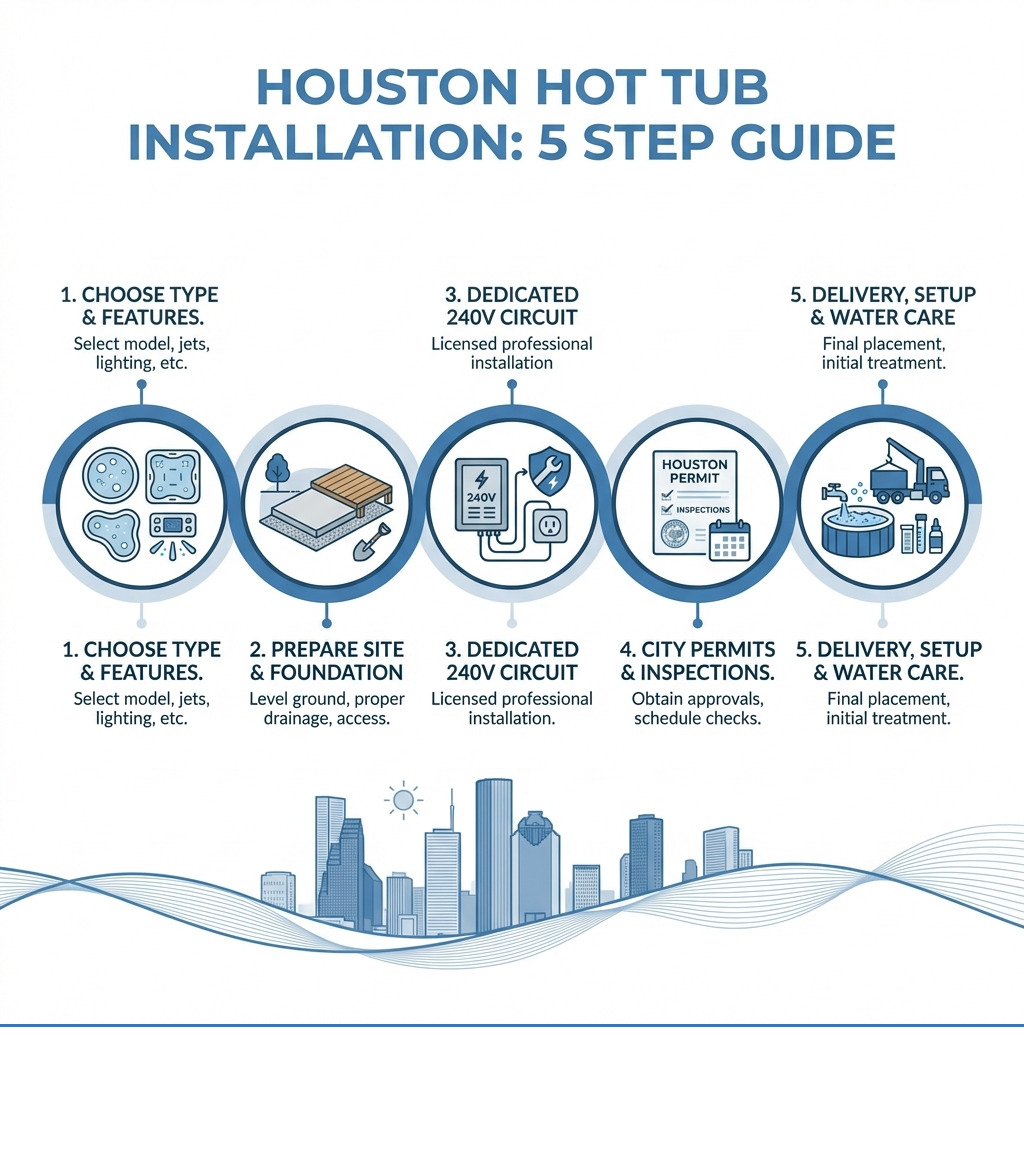
Quick Guide to Hot Tub Installation:
- Choose Your Type – Above-ground, in-ground, or custom-built spa
- Plan Your Site – Level foundation, proper drainage, access for delivery
- Handle Electrical – 240-volt dedicated circuit installed by licensed electrician ($300-$1,000)
- Get Permits – City of Houston electrical permits and inspections required
- Budget Wisely – Factor in hot tub cost, installation labor, electrical work, and permits
- Maintain Properly – Regular water testing, filter cleaning, and safety measures
Timeline: Site prep and electrical work can take 1-2 weeks. Hot tub delivery and setup typically happens in a day.
There’s something special about stepping into warm, bubbling water after a long day. For Houston families, a hot tub isn’t just a backyard luxury—it’s a place where stress melts away and memories are made.
But getting from dream to reality means understanding what’s involved. Houston’s unique climate, local building codes, and the technical requirements of proper installation all play a role in making sure your investment pays off for years to come.
The good news? With the right information and a trusted partner, the process is straightforward. You’ll need to think through your hot tub type, plan your site carefully, work with licensed professionals for electrical hookups, and steer local permits.
This guide walks you through each step, from choosing the perfect spa to keeping it running smoothly once those bubbles start flowing.
Step 1: Choosing Your Perfect Hot Tub & Installation Style
When we talk about hot tub installation Houston, one of the first decisions you’ll make is what kind of hot tub best suits your home and lifestyle. Just like designing a custom pool, there’s a range of options, each with its own charm and installation considerations.
Installation Types
- Above-ground hot tubs: These are often the most straightforward to install. They arrive as a self-contained unit and can be placed on a suitable, level surface like a reinforced patio, a dedicated spa pad, or a strong deck. They’re portable, meaning you can take them with you if you move, and they generally require less site preparation than other types. Many Houston homeowners appreciate their flexibility and ease of setup.
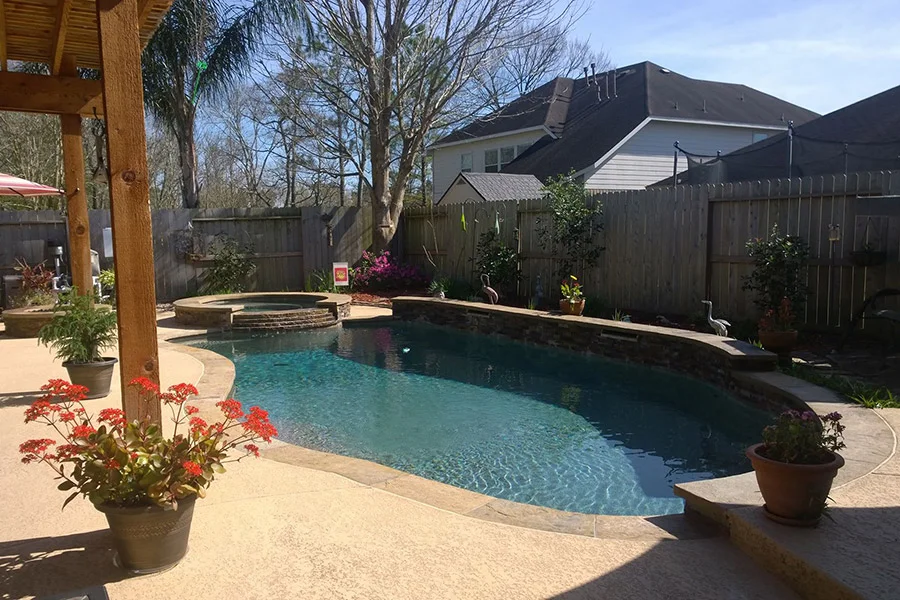
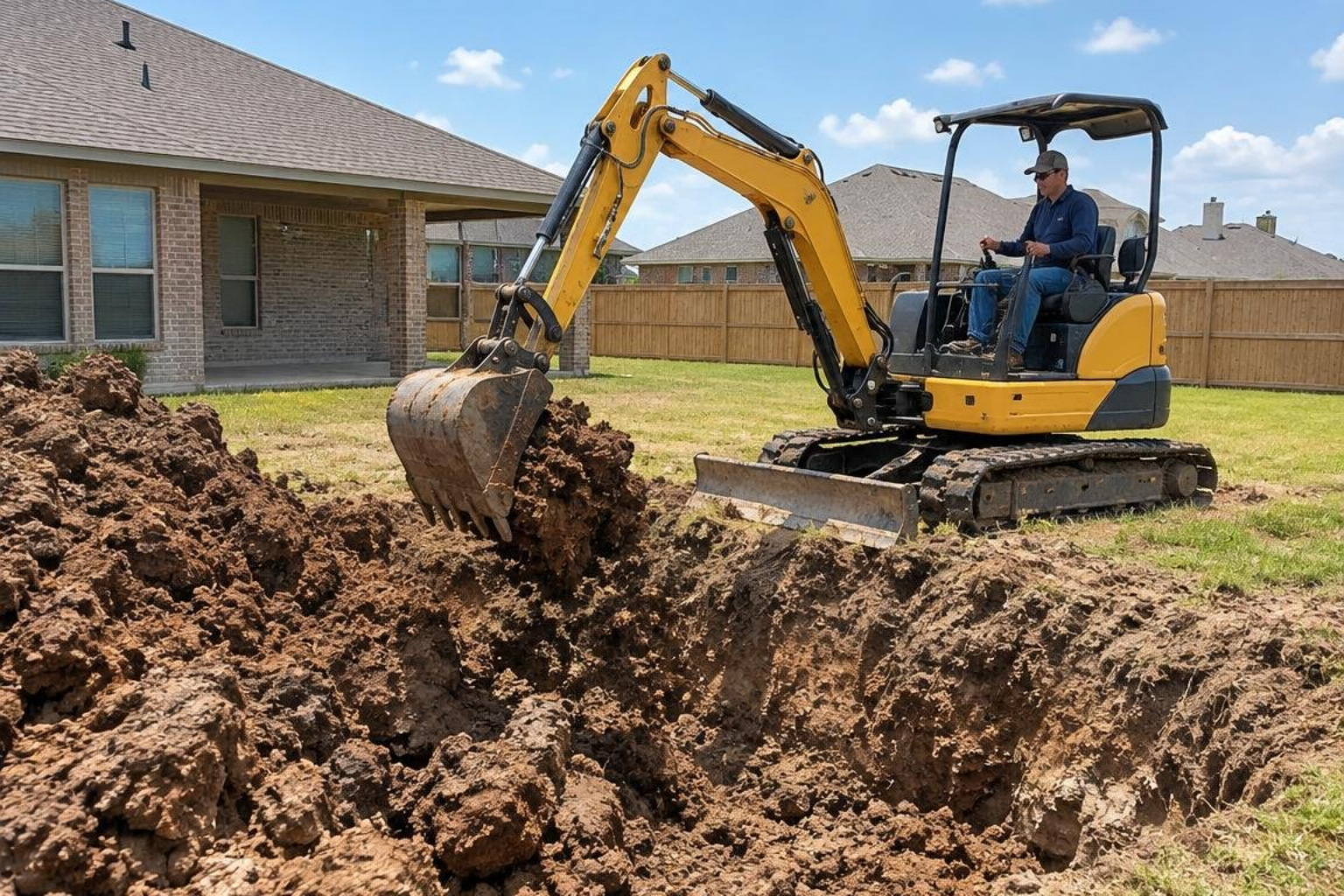
- In-ground spas: For a more integrated look, an in-ground spa is built directly into your landscape, often flush with the surrounding patio or decking. This style offers a seamless aesthetic, blending beautifully with your existing outdoor living space. It requires excavation and more extensive construction, similar to a swimming pool, but the result is a permanent, neat fixture in your backyard.
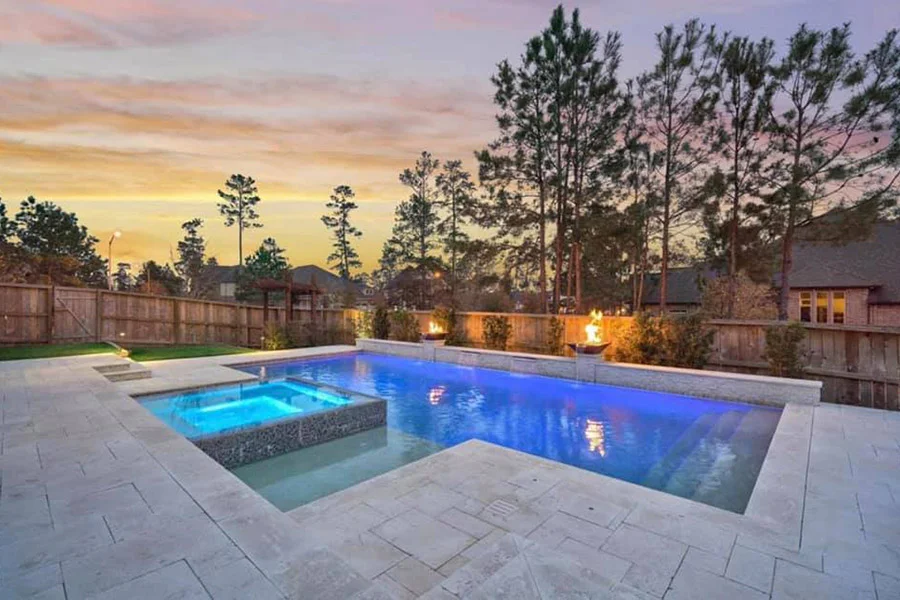
- Custom-built spas: This is where we truly shine! Custom-built spas are designed from the ground up to perfectly complement your home’s architecture and your family’s needs. We can integrate them directly into a new or existing custom swimming pool, creating a cohesive and luxurious backyard oasis. Imagine a spa with unique shapes, finishes, and features that reflect your personal style. These projects involve detailed planning and expert craftsmanship, ensuring every element, from the tile work to the jet placement, is exactly as you envisioned. If you’re looking for something truly unique, this is often the way to go. You can explore our custom pool and spa designs to get some inspiration for your own backyard paradise.
Hot Tub Features
Once you’ve considered the type of installation, you’ll want to think about the features that matter most to you:
- Hydrotherapy jets: The heart of any hot tub experience, jets provide therapeutic massage. Different types and placements offer various benefits, from deep tissue relief to gentle relaxation.
- LED lighting: Set the mood with customizable LED lighting, perfect for evening soaks and adding ambiance to your backyard.
- Energy efficiency: Modern hot tubs come with advanced insulation and heating systems to help keep running costs down, an important consideration in Houston’s climate.
- Seating capacity: Think about how many people will typically use the hot tub. Models range from intimate two-seaters to spacious tubs that can comfortably accommodate a larger family or group of friends.
Design Considerations
When planning your hot tub, it’s an extension of your home and backyard.
- Matching your home’s style: Whether your home is modern, traditional, or rustic, we can help you choose materials and designs that complement its existing aesthetic.
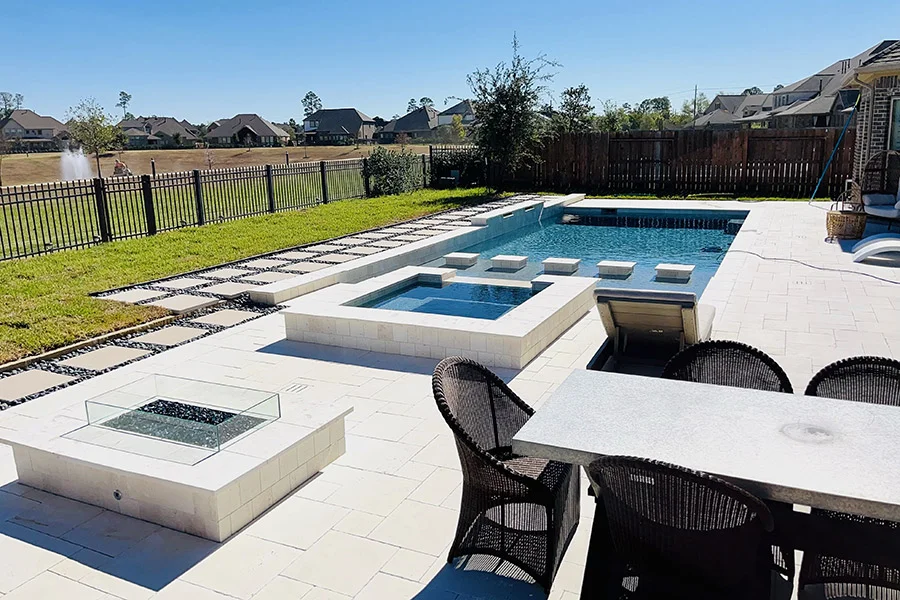
- Integrating with your pool or patio: For in-ground or custom spas, seamless integration with your pool or patio creates a harmonious look. This might involve matching decking materials, coping, or tile.
- Family-friendly layouts: If kids will be enjoying the spa, consider features like varying seat heights or easy-access steps.
Choosing the right hot tub and installation style is the first exciting step towards your backyard retreat. We’re here to help you steer these choices, ensuring your hot tub is a perfect fit for your Houston home.
Step 2: Planning Your Backyard Oasis
Once you have a good idea of the type of hot tub you’d like, the next crucial step in hot tub installation Houston is planning its exact location and preparing the site. Careful planning here saves a lot of headaches down the road!
Location Selection
The perfect spot for your hot tub isn’t just about aesthetics; it’s about comfort, convenience, and practicality.
- Proximity to house: Placing your hot tub within ten feet of your door means you’ll use it more often, especially during cooler Houston evenings or after a refreshing rain. It also makes running electrical lines and filling the tub easier.
- Privacy considerations: We all enjoy a good soak without feeling like we’re on display. Consider natural barriers like existing fences, lush landscaping, or even a strategically placed pergola to create a secluded sanctuary.
- Backyard view: What do you want to see while you’re relaxing? Perhaps a view of your garden, a serene pool, or the starry Houston sky. Conversely, consider what you don’t want to see, and plan accordingly.
- Wind and sun exposure: In Houston, both sun and wind can impact your hot tub experience. A spot with some shade can make daytime use more enjoyable, while a sheltered area can reduce heat loss and make soaking on a breezy day more comfortable. Avoid areas where rain gutters might overflow directly into the tub or where wind constantly deposits leaves and debris.
Site Preparation
Once you’ve chosen the ideal spot, we’ll need to prepare the ground for your hot tub. This is where the foundation for a long-lasting, trouble-free installation is laid.
- Level ground: This is non-negotiable. A hot tub filled with water can weigh thousands of pounds—from 2,000 to nearly 8,000 pounds! An unlevel surface can put undue stress on the hot tub’s shell and frame, potentially leading to damage and voiding warranties. We always ensure the site is perfectly level.
- Proper drainage: Especially important in Houston’s humid climate, good drainage prevents water from pooling around your hot tub, which can lead to mold, mildew, or damage to the unit’s skirt. We make sure the ground slopes slightly away from the hot tub.
- Access for maintenance: Hot tubs require occasional maintenance, from accessing pumps and heaters to draining and cleaning. We’ll plan the placement so that all components are easily reachable. For in-ground installations, this means designing specific access points.
- A Comprehensive Guide to Installing a Hot Tub can offer more insights into these preparatory steps.
Planning for Delivery
Hot tubs are substantial items, and getting them into your backyard often requires careful logistics.
- Measuring gates: Before delivery day, we’ll measure the width of all gates, doorways, and sidewalks to ensure your hot tub can pass through without obstruction. We also account for any 90-degree turns it might need to make.
- Clearing pathways: We’ll make sure the delivery path is clear of obstacles like plants, outdoor furniture, or anything that could impede the delivery crew. Laying a clear path also helps prevent tracking dirt and grit into your new spa.
- Overhead clearance: If a crane is needed to lift your hot tub over your home or other structures—which is often the case for larger or in-ground models—we’ll inspect your yard for low roof overhangs, overhanging branches, or rain gutters that could interfere.
- Crane access if needed: For tricky spots or large hot tubs, a crane can be the safest and most efficient way to place your spa. We coordinate this specialized service to ensure a smooth, damage-free delivery.
Thinking through these details beforehand makes the entire hot tub installation Houston process much smoother and more enjoyable for everyone involved.
Step 3: The Technical Stuff: Your Guide to Hot Tub Installation in Houston
Now, let’s talk about the technical aspects that are essential for a safe and efficient hot tub installation Houston. This involves electricity and a solid foundation.
Electrical Requirements
This is perhaps the most critical part of hot tub installation and absolutely requires a licensed professional. Most modern hot tubs are not simply “plug and play.”
- 240-volt dedicated circuit: The majority of hot tubs require a dedicated 240-volt (or 220-volt) electrical circuit. This is separate from your home’s general electrical system, ensuring the hot tub has its own power supply without overloading other circuits. A 220/240v model will heat your water much more efficiently, typically between two to five degrees per hour. In contrast, a 110v/120v system could take 24 hours or more to heat the water to your desired temperature, which isn’t ideal for those cooler Houston evenings!
- GFCI protection: A Ground Fault Circuit Interrupter (GFCI) breaker is a vital safety device. It automatically stops the flow of power if it detects a ground fault, protecting both your hot tub and your home from the risk of electrical shock or fire. This is a non-negotiable safety feature for any hot tub.
- Licensed electrician necessity: We can’t stress this enough: always use a licensed electrician for hot tub wiring. They understand local electrical codes and safety standards, ensuring your installation is safe and compliant. An electrician might visit twice: once to assess your electrical panel and run the necessary wiring, and again after the hot tub is physically in place to make the final connection. The average cost to install a 220v electrical outlet for a hot tub can range from $300 to $1,000. Hiring an electrician typically costs $50 to $130 per hour, plus a service call fee of $100 to $200 that usually covers the first hour of work. For more details on electrical costs, you can refer to Home Guide.
Foundation Essentials
A sturdy, level foundation is just as important as proper electrical work. A filled hot tub is incredibly heavy.
- Reinforced concrete pad: This is the gold standard for hot tub foundations. A reinforced concrete slab, at least 4 inches thick and capable of supporting at least 120 pounds per square foot, provides the stable, level surface your hot tub needs. This prevents settling, cracking, and damage to the hot tub’s structure.
- Prefabricated spa pads: These interlocking pads offer an alternative to concrete for some above-ground installations. They are designed to distribute weight evenly and provide a stable base.
- Deck reinforcement: If you plan to place your hot tub on an existing deck, it’s crucial to consult a structural engineer or contractor to ensure the deck can safely support the immense weight of the hot tub when filled with water and people. We would never compromise on this safety aspect.
- Supporting spa weight: Regardless of the foundation type, the key is ensuring it can handle the maximum weight of your hot tub. This means taking into account the tub itself, the water, and the occupants.
Navigating Houston Permits for Hot Tub Installation
Understanding local regulations is a key part of any hot tub installation Houston. We always make sure to adhere to these to ensure your project is compliant and worry-free.
- City of Houston codes: The City of Houston, along with surrounding areas like Katy, Sugar Land, Cypress, and Tomball, has specific building codes that govern outdoor structures and electrical installations. These codes are in place to ensure safety and structural integrity.
- Electrical permits: In almost all cases, any new electrical circuit, especially a dedicated 240-volt line for a hot tub, will require an electrical permit from your local municipality. This permit ensures that the work is inspected and meets all safety standards.
- Required inspections: After the electrical work is completed and before the hot tub is fully connected, an inspector from the city will typically need to sign off on the work. This inspection verifies that everything has been installed correctly and safely.
- Impact of local climate: Houston’s climate, with its high humidity and occasional heavy rains, can influence installation requirements. For instance, proper drainage around the hot tub’s foundation is even more critical here to prevent moisture damage. Our building codes often account for these environmental factors to ensure long-term durability and safety. We carefully consider these local nuances in every project we undertake.
Step 4: Budgeting, Timelines, and Finding a Pro
Bringing a hot tub to your Houston home is an investment in relaxation and enjoyment. Let’s break down what that investment looks like and how long you can expect the process to take.
Understanding the Costs
The total cost for your hot tub installation Houston will vary based on several factors, but here’s a general overview:
- Hot tub price: This is the biggest variable, ranging from a few thousand dollars for a basic above-ground model to tens of thousands for a large, feature-rich, custom in-ground spa.
- Installation labor: For above-ground models, this might include delivery and basic setup. For in-ground or custom spas, labor costs will be higher due to excavation, plumbing, and construction work.
- Electrical work cost: As we mentioned, installing a dedicated 240-volt electrical outlet can cost between $300 and $1,000, depending on the complexity and your home’s existing electrical panel. This also includes the electrician’s hourly rate and service call fees.
- Permit fees: These are typically a few hundred dollars, varying by municipality within the greater Houston area.
- Site preparation: Costs can range from minor leveling to significant excavation and concrete pouring, potentially adding hundreds or even thousands of dollars.
- Optional features: Landscaping, privacy screens, covers, and steps are additional costs to consider.
For a broader perspective on outdoor living investments, you can check out our insights on the Average Cost to Build a Pool in Houston, TX.
Financing Your Project
We understand that a hot tub is a significant purchase, and financing options can help make your dream a reality.
- Dealer financing options: Many hot tub dealers offer financing plans through partnerships with banks or financial institutions. These can provide convenient payment options.
- Personal loans: Banks and credit unions offer personal loans that can be used for home improvements like hot tub installation.
- Home equity: If you have equity in your home, a home equity loan or line of credit can be a popular way to finance larger backyard projects, often with favorable interest rates.
Installation Timeline
The timeline for hot tub installation Houston can vary, but here’s what to expect:
- Site prep duration: Depending on the complexity, preparing your site (leveling, foundation work, excavation) can take anywhere from a few days to a week or more.
- Electrical work: The electrician’s portion of the work might take a day or two, though it could be spread over two visits as mentioned earlier.
- Delivery day: Once the site is ready and electrical is in place, the actual delivery and placement of an above-ground hot tub can often be completed in a single day. For in-ground or custom spas, the construction process will be longer, akin to building a small pool.
- Water heating time: After your hot tub is filled, it needs time to heat up. A 220/240v model will heat the water between two to five degrees per hour, meaning it could be ready in several hours. However, a 110v/120v system could take 24 hours or more to reach your desired temperature.
Why a Professional Hot Tub Installation in Houston is Worth It
While a DIY approach might seem appealing to save a few dollars, especially for above-ground models, professional hot tub installation Houston brings invaluable benefits.
- Safety compliance: Professionals ensure all electrical work, foundations, and installations meet stringent local Houston codes and safety standards. This protects your family and your home from potential hazards.
- Warranty protection: Improper installation can void your hot tub’s warranty. A professional installation ensures that your investment is protected by the manufacturer’s guarantee.
- DIY risks: Attempting to install a hot tub yourself, particularly the electrical components, carries significant risks of injury, property damage, and costly mistakes. It’s simply not worth the gamble.
- Finding a reputable installer: We recommend looking for installers with proven experience, excellent customer reviews, and a strong understanding of Houston’s specific climate and building regulations. A good installer will guide you through permits, site prep, and proper electrical hook-ups. We pride ourselves on being a trusted partner for Houston families, and you can always check out our Houston Pool Contractor Reviews to hear from our satisfied clients.
Step 5: After the Bubbles Settle: Safety and Maintenance
Once your hot tub installation Houston is complete and you’re enjoying those warm, soothing bubbles, safety and ongoing maintenance are key to a long and happy hot tub ownership experience.
Essential Safety Measures
Safety should always be a top priority, especially in households with children or pets.
- Locking safety cover: A high-quality, locking hot tub cover is your first line of defense. It not only helps maintain water temperature and keeps debris out but also acts as a crucial safety barrier, preventing unauthorized access. Make sure it fits snugly and is made from durable, weather-resistant materials.
- Fencing and gates: Depending on local ordinances and your family situation, installing a fence with a self-latching, self-closing gate around your hot tub area can add an extra layer of protection.
- Non-slip surfaces: The area around your hot tub can get wet and slippery. Using non-slip decking, pavers, or mats can prevent falls and injuries.
- Chemical safety: Hot tub chemicals are essential for maintaining clean, healthy water, but they must be stored safely out of reach of children and pets. Always follow manufacturer instructions for handling and dosing.
- Electrical safety: Ensure your GFCI breaker is tested regularly (monthly is a good practice) to confirm it’s functioning correctly. Never use extension cords with your hot tub.
Ongoing Maintenance
Regular maintenance ensures your hot tub stays clean, safe, and ready for use whenever you are.
- Water chemistry testing: We recommend testing your spa water weekly using high-quality test strips or a digital water tester. This helps maintain proper pH, alkalinity, and sanitizer levels for clean, balanced water.
- Filter cleaning: Your hot tub filters work hard to keep the water clear. Rinse your spa filters with a hose on a weekly basis and perform a deep cleaning with a designated filter cleaner once a month. Filters should typically be replaced every 12 to 18 months, depending on usage and water conditions.
- Draining and refilling: Hot tubs should be drained and refilled approximately every 3 to 4 months. This helps to remove dissolved solids that can build up over time and make water chemistry difficult to manage.
- Professional service checks: We recommend scheduling a comprehensive professional maintenance service every 6 to 12 months. This includes an internal system check, deep cleaning, water chemistry review, and any necessary part replacements. This proactive approach can catch small issues before they become big problems.
- Ideal Water Temperatures: For optimal comfort and hydrotherapy, hot tubs are typically kept between 100–104°F.
By staying on top of these safety and maintenance tasks, you’ll ensure your hot tub remains a source of joy and relaxation for years to come.
Frequently Asked Questions about Hot Tub Installation
How long does a hot tub take to install in Houston?
A typical above-ground hot tub installation can be completed in a day, but the entire process, including site preparation, electrical work, and permitting, can take a week or more from start to finish. Custom in-ground spas will naturally take longer, similar to a small pool construction project.
Do I need a permit for an above-ground hot tub in Houston?
Yes, in most cases. Any new electrical circuit, which most hot tubs require, will need a permit and inspection from the city or local municipality to ensure it’s up to code and safely installed. It’s always best to check with your local planning department before beginning any work.
How much does it cost to run a hot tub in Houston?
Monthly costs can vary based on the hot tub’s size, how often you use it, its energy efficiency, and the fluctuating electricity rates. However, you can generally expect to add $30-$60 to your monthly electric bill. Proper insulation, a good cover, and efficient heating systems can help minimize these costs.
Your Backyard Paradise Awaits
Bringing a hot tub into your backyard is more than an upgrade—it’s a new way to live. It’s about creating a space for quiet mornings, fun-filled evenings with family, and a personal retreat just steps from your door. With a little planning, your dream of a backyard oasis can easily become a reality. For over 25 years, Ocean Blue Pools has helped Houston families transform their backyards with quality craftsmanship and a friendly, honest approach. If you’re dreaming of a custom spa or pool, we’re here to help you every step of the way.
Ready to take the next step? Let’s build your dream pool and spa together.