How to Find a Backyard Patio Contractor You Can Trust
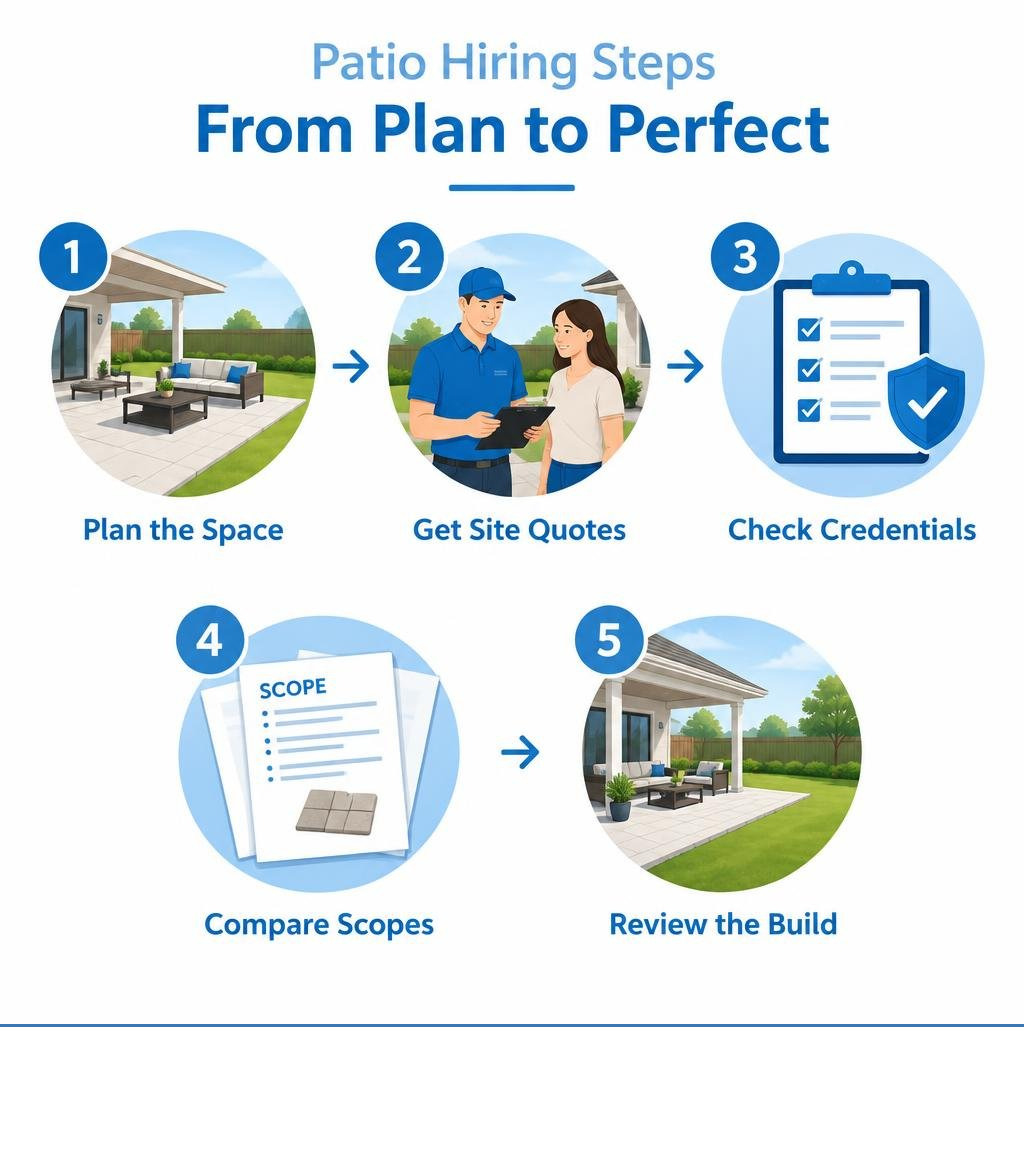
Get two or three on-site quotes before hiring contractors for backyard patios. Ask each contractor for proof of insurance, recent local projects, and a written estimate. The estimate should spell out materials, site prep, drainage, permits, timing, and warranty terms. Compare what each quote includes, not just the price.
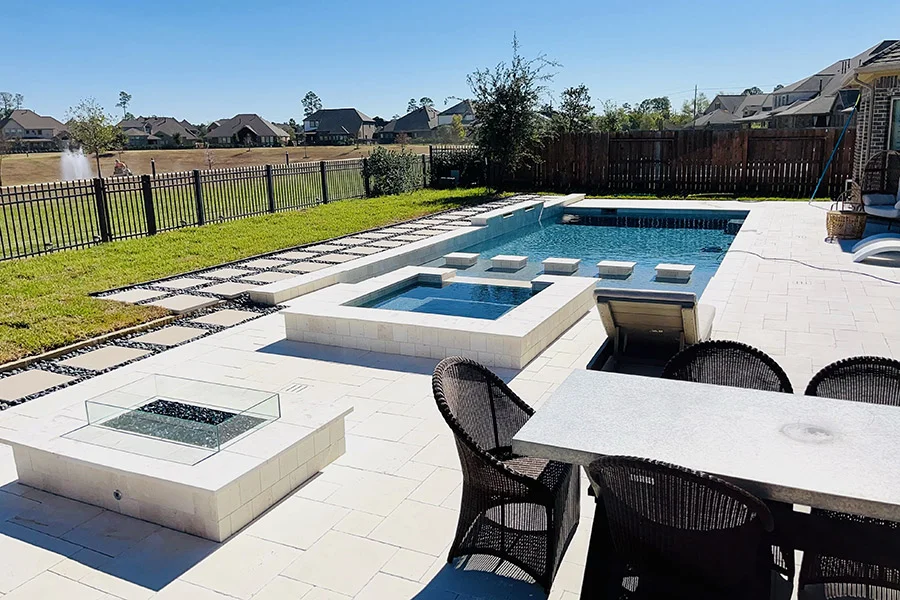
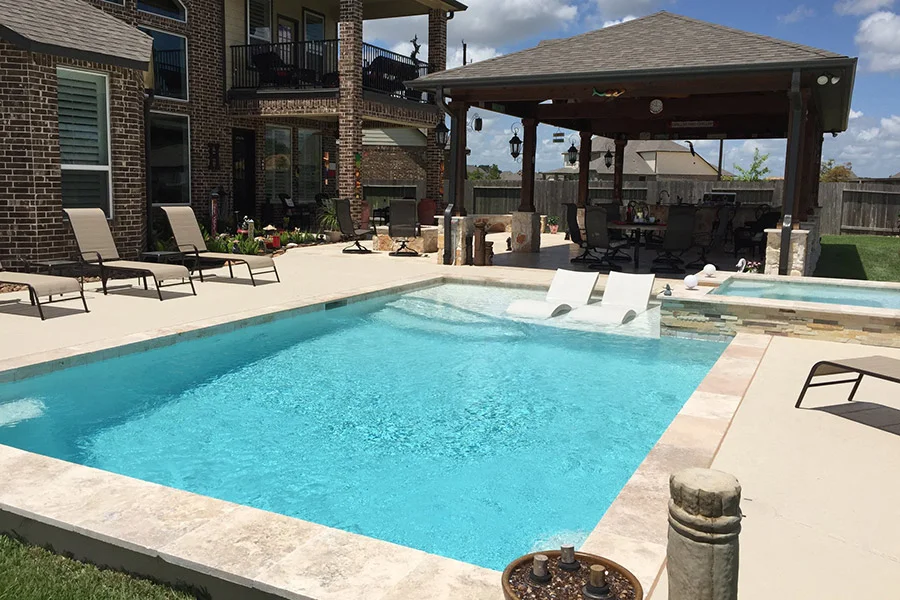
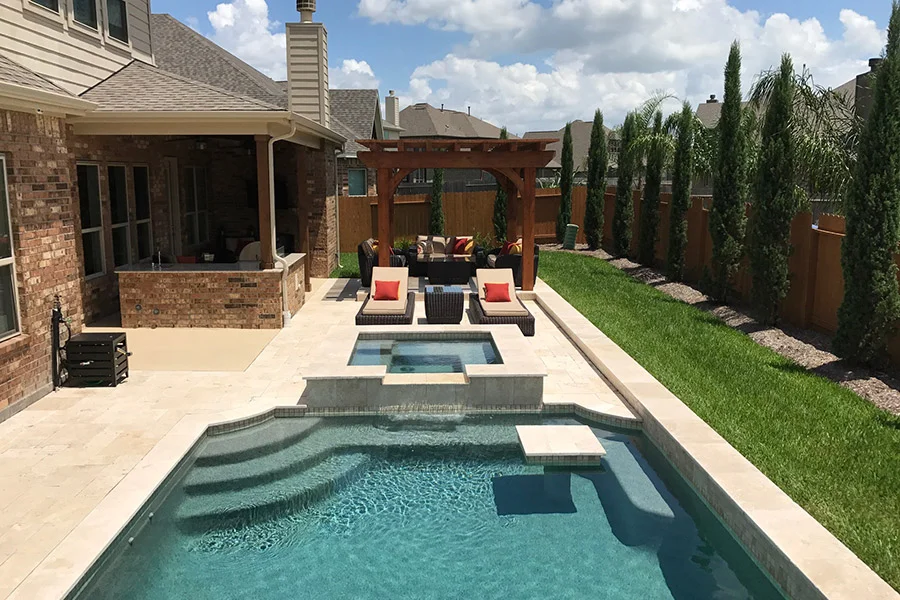
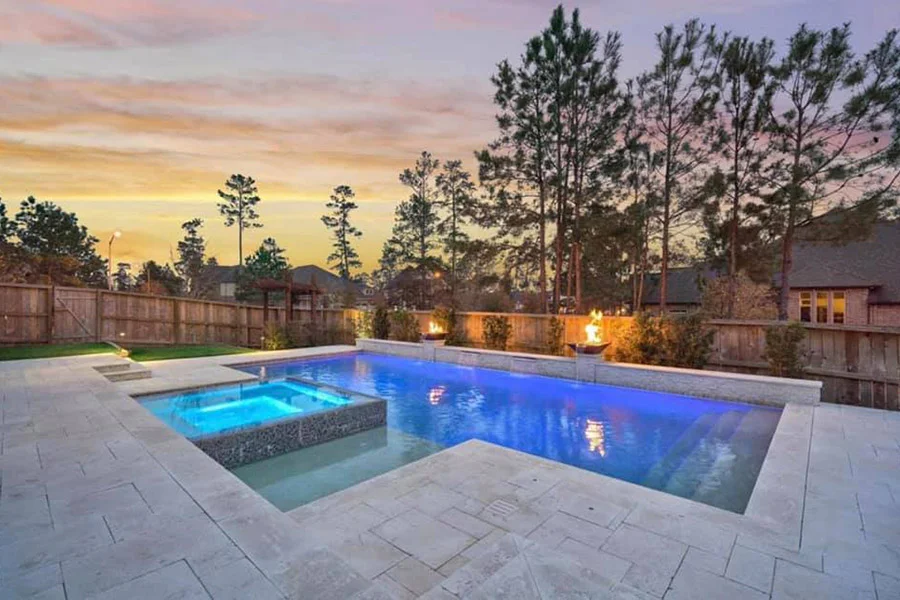
If your patio will connect to a pool or other outdoor features, plan those pieces together. Ocean Blue Pools has built custom pools for Houston-area homeowners for over 25 years. Its mission is to turn backyards into dream destinations through careful design, precise construction, and a promise of quality.
I’m Kyle Becker, and I’ll walk you through what to ask so you can choose a contractor with confidence.
Simple contractors for backyard patios word guide:
Comparing Popular Patio Materials: Durability, Maintenance, and Costs
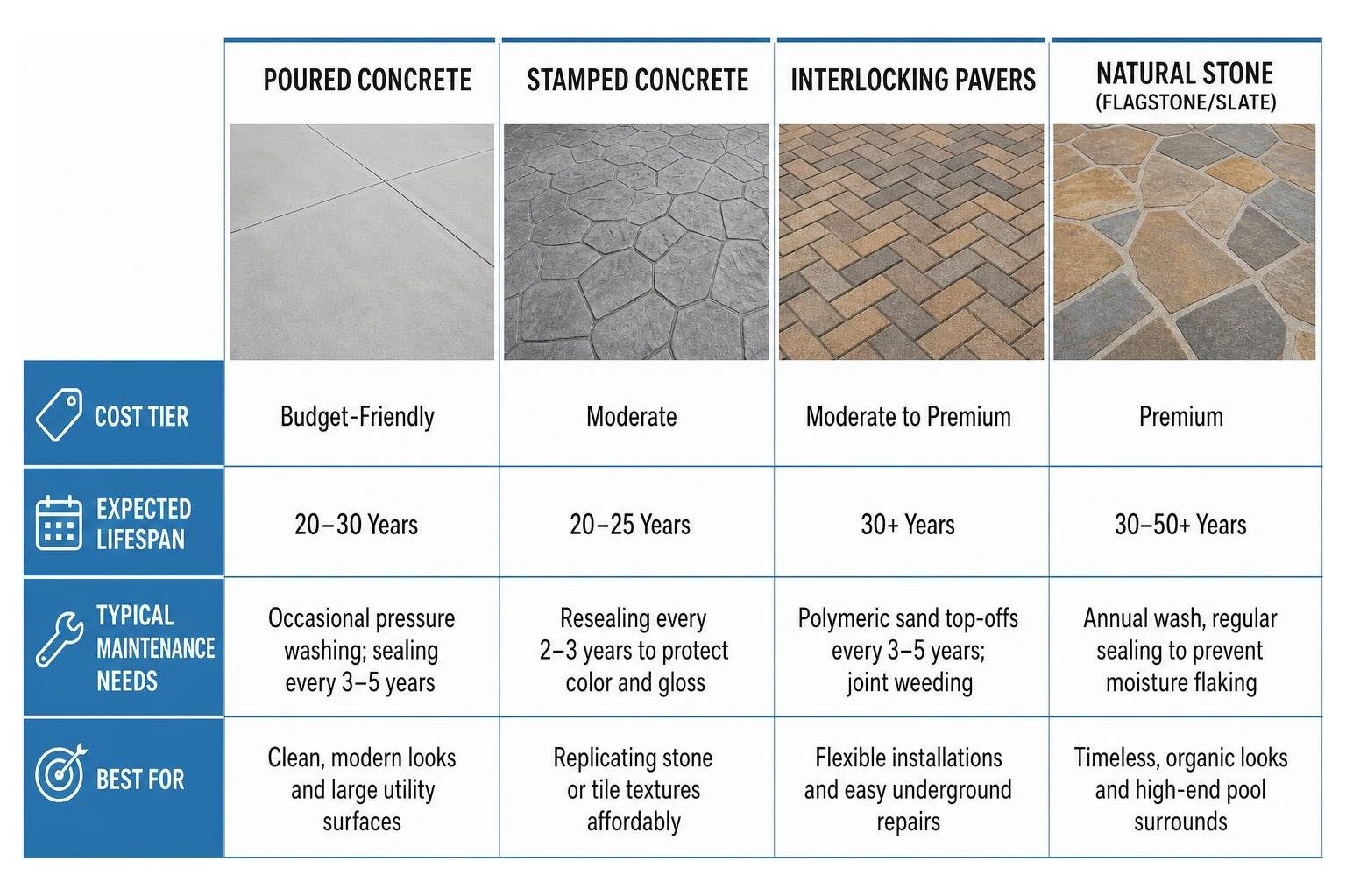
Choosing the right surface sets the tone for your entire backyard. Different materials handle Houston’s heat, humidity, and shifting clay soils in their own ways. Here is a breakdown of how the most common patio surfaces compare:
| Material | Cost Tier | Expected Lifespan | Typical Maintenance Needs | Best For |
|---|---|---|---|---|
| Poured Concrete | Budget-Friendly | 20–30 Years | Occasional pressure washing; sealing every 3–5 years | Clean, modern looks and large utility surfaces |
| Stamped Concrete | Moderate | 20–25 Years | Resealing every 2–3 years to protect color and gloss | Replicating stone or tile textures affordably |
| Interlocking Pavers | Moderate to Premium | 30+ Years | Polymeric sand top-offs every 3–5 years; joint weeding | Flexible installations and easy underground repairs |
| Natural Stone (Flagstone/Slate) | Premium | 30–50+ Years | Annual wash, regular sealing to prevent moisture flaking | Timeless, organic looks and high-end pool surrounds |
If you are exploring unique layouts, take a look at these creative hardscape patio ideas to see how different materials function together.
Poured and Stamped Concrete Options
Poured concrete is a reliable, straightforward surface that gives you great utility for your budget. To prevent random cracking in our shifting soils, your builder should cut expansion and control joints into the slab.
Stamped concrete takes standard concrete and presses patterns into the surface while it cures, mimicking brick, slate, or cobblestone. Adding integral color or surface stains gives you a custom finish. That stamped concrete needs a fresh clear sealer every few years to keep the texture protected and prevent the color from fading under direct sun.
Concrete Pavers and Natural Stone
Interlocking concrete pavers offer great durability because the individual blocks flex slightly with the ground. Instead of cracking during soil shifts, the joints absorb movement. If you ever need to access underground plumbing or irrigation lines, you can pull up a small section of pavers and set them right back down.
Natural stone, such as flagstone or slate, brings rich texture and earthy tones to your yard. Because stone pieces vary in thickness and shape, installation requires skilled craftsmanship to ensure a flat, safe walking surface.
How to Vet and Choose Qualified Contractors for Backyard Patios
Hiring the right team makes all the difference between a smooth build and a long headache. If you are coordinating multiple backyard features, learning why every homeowner needs a professional backyard and pool contractor will help you see the value of working with a full-service team.
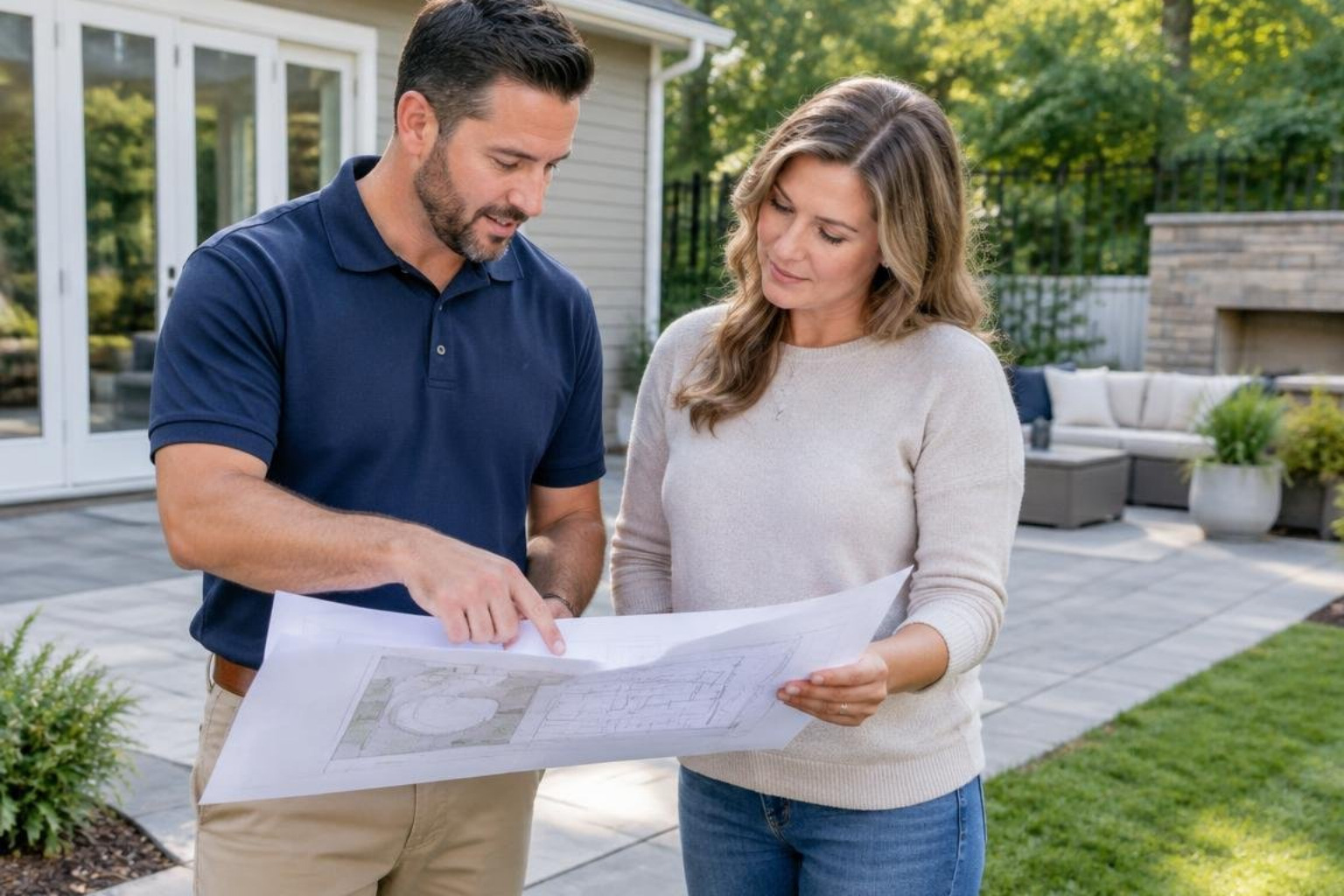
What Credentials to Require from Contractors for Backyard Patios
Before hiring anyone to break ground, verify their foundational credentials:
- General Liability Insurance: Protects your home and property if an accidental break or damage happens during construction.
- Workers’ Compensation: Ensures you are not held liable if a worker is injured on your property.
- Track Record: Look for established companies with verified reviews across local neighborhoods in Harris, Fort Bend, or Montgomery County.
- Workmanship Warranty: A reputable builder will stand behind their grading, base compaction, and surface installation in writing.
Key Questions to Ask Before Signing a Contract
Before putting your signature on an agreement, ask these direct questions:
- Who will be on site managing daily work and answering my questions?
- What is the payment schedule, and are milestones tied to completed phases?
- How do you handle site cleanup and yard protection during the build?
- What is your formal process if we decide to adjust the design mid-project?
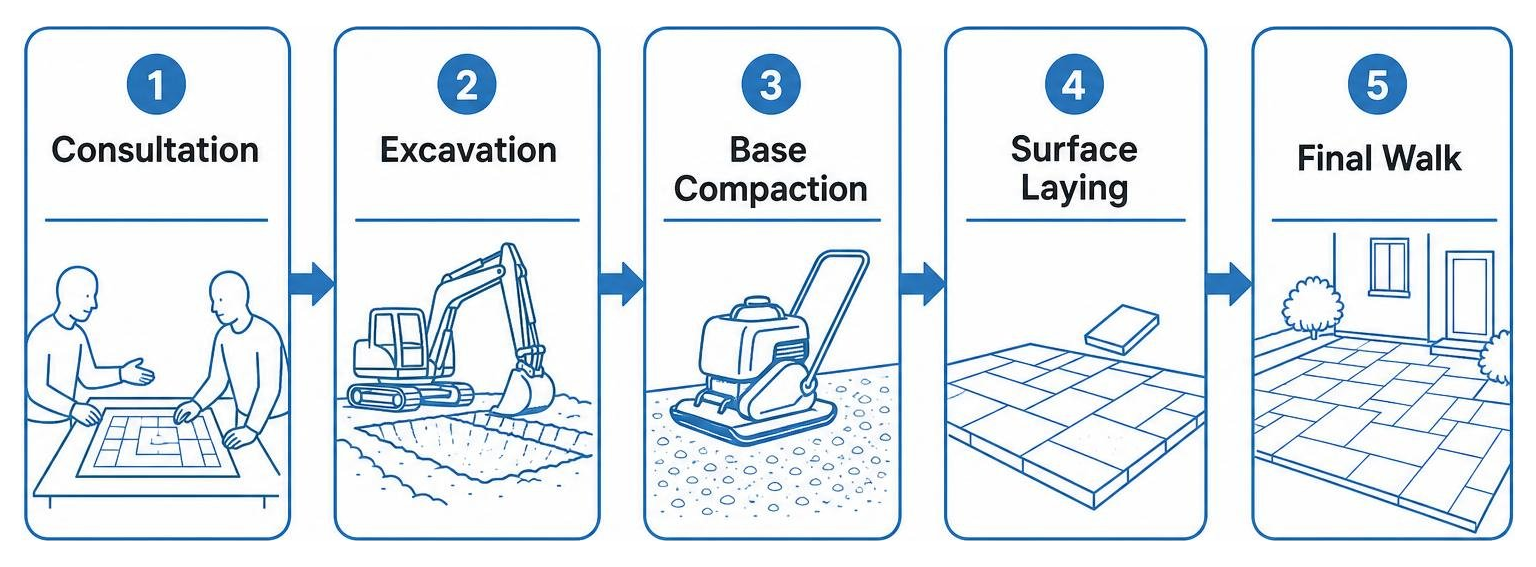
The Patio Installation Process: From Consultation to Final Walkthrough
A professional installation follows a structured path to ensure your patio stays level and drains properly for decades.
Site Preparation, Grading, and Drainage Solutions
A patio is only as solid as the ground beneath it. The team starts by excavating the topsoil, clearing out roots, and laying a crushed stone aggregate base. This base is compacted with heavy equipment so it will not settle unevenly later.
Water management is critical in our region. Patios must be sloped slightly away from your home’s foundation—typically at least one-quarter inch per foot. Depending on your yard layout, your builder may install French drains, catch basins, or tie downspouts into buried PVC pipes to channel rainwater safely away.
Permitting and Local Building Code Compliance
Depending on your city or county—such as Houston, Katy, or Tomball municipal guidelines—your patio project may require building permits, especially if you are adding covered patio structures, running electrical lines, or altering major drainage paths. Your contractor should confirm local building codes, respect property setbacks, and help you prepare paperwork for HOA architectural reviews before construction starts.
Overcoming Yard Challenges and Adding Custom Outdoor Features
Flat yards are common across our area, but minor slopes and drainage channels can still create challenges. Installing low retaining walls or building terraced, multi-level patios creates distinct zones for dining, grilling, and lounging. If you want year-round shelter from sun and rain, consider integrating modern covered outdoor living spaces directly into your hardscape.
Upgrading with Outdoor Kitchens, Fire Pits, and Shade
A patio becomes a true living area when you layer in functional features:
- Outdoor Kitchens: Built-in grills, outdoor fridges, and prep counters keep the cook in the conversation. Planning a custom outdoor kitchen pool design connects your cooking and swimming zones seamlessly.
- Fire Pits: Gas or wood-burning fire pits create an inviting gathering spot for cooler evenings.
- Pergolas and Shade Structures: Open-beam or solid shade covers drop the ambient temperature on hot summer afternoons.
- Comfortable Seating: Built-in stone bench seating or designated lounge pads make entertaining effortless. For layout inspiration, browse these ideas for outdoor seating areas.
Steps to Prepare for Contractors for Backyard Patios
You can help your initial consultation go smoothly by gathering a few key details ahead of time:
- Find Your Property Survey: Locate the survey from your home purchase showing property lines, easements, and current structures.
- Collect Idea Photos: Save photos of patio layouts, stone colors, and shade styles you like.
- Set a Realistic Budget: Decide what you are comfortable investing so the builder can suggest materials that match your target.
- Identify Utility Access: Note where your outdoor faucets, electrical panels, and gas meters sit.
For more foundational advice on laying out your yard, read our beginners guide to outdoor living spaces.
Frequently Asked Questions About Backyard Patio Projects
How long does a typical patio installation take from start to finish?
Most standard patio installations take between 3 and 7 working days once physical construction begins. Larger projects that incorporate retaining walls, pergolas, or outdoor kitchens will take longer depending on weather and the complexity of utility lines.
Can a patio be built on an uneven or sloped yard?
Yes, by using retaining walls and stepped transitions. Contractors excavate the slope and install concrete or block retaining walls to create level, terraced pads that make sloped ground fully usable.
What ongoing maintenance will my new patio require?
Routine maintenance involves rinsing off leaves, pressure washing surface dirt once or twice a year, and sweeping new polymeric sand between paver joints every few years. Stamped concrete and natural stone also benefit from a fresh coat of sealer every 2 to 3 years to maintain surface protection.
Build Your Dream Backyard with Confidence
A well-crafted patio expands your usable home footprint, enhances everyday family time, and adds lasting value to your property. Choosing a builder with proven regional experience ensures your patio is engineered properly for local soils, climate conditions, and drainage needs.
Ocean Blue Pools has served Houston-area homeowners for over 25 years with a focus on custom craftsmanship, transparent communication, and complete backyard transformations. Whether you are building a simple stone patio or pairing it with a custom pool and kitchen, we are here to bring your vision to life.
Let’s design your dream backyard together. Schedule your free consultation for custom outdoor living spaces today.