Plan Your Custom Pool Before Construction Starts
To build a custom pool with fewer surprises, start by matching the design to your yard, budget, and how your family will use it. Before signing a contract:
- Choose the shell type and shape that fit your goals.
- Check setbacks, permits, HOA rules, drainage, soil, and access for equipment.
- Set a complete budget for the pool, decking, features, safety items, and future care.
- Compare at least three detailed bids using the same design and scope.
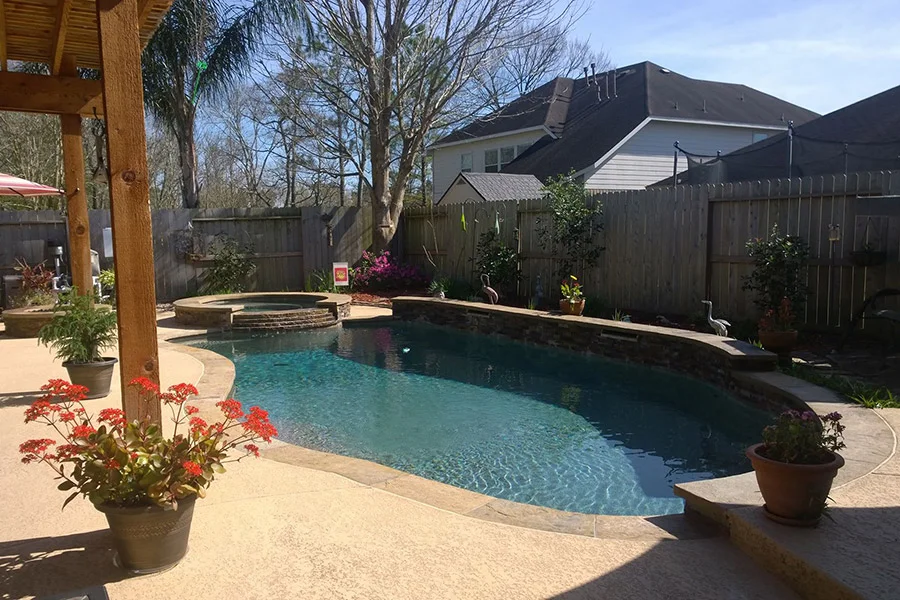
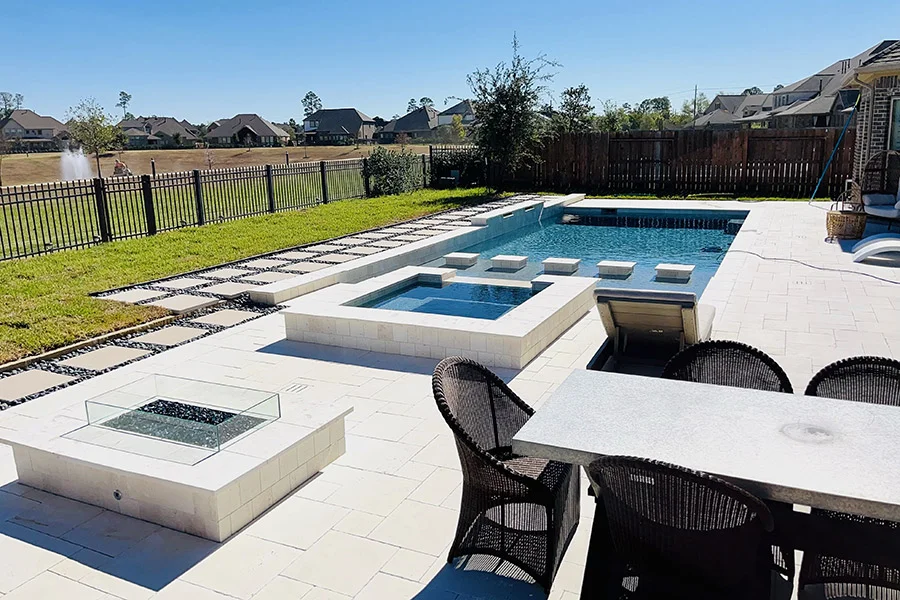
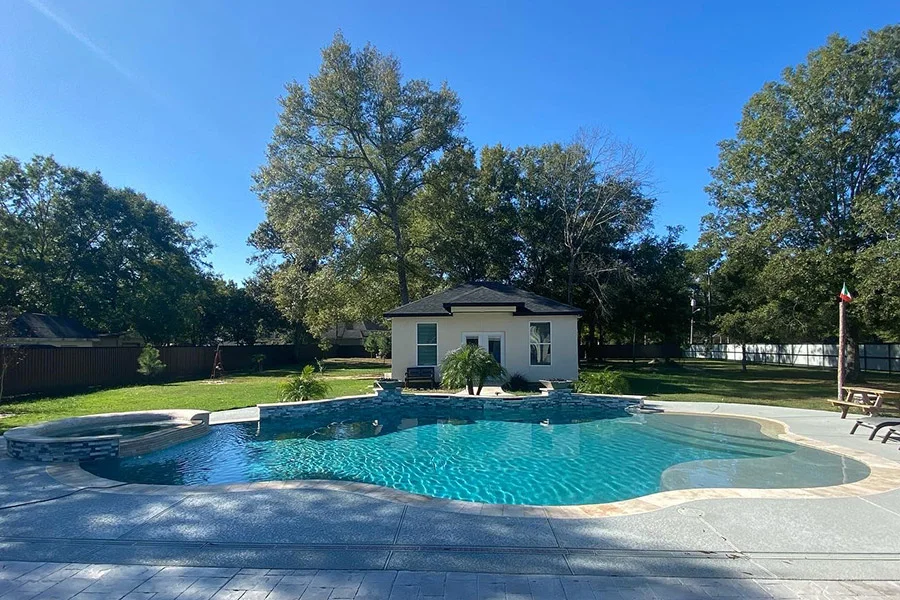
A custom concrete pool offers the most freedom for freeform shapes, spas, tanning ledges, waterfalls, and infinity edges. But Houston-area soil, drainage, permitting, and finish choices can all change the plan and price. Most standard inground builds take about 8 to 12 weeks after permits are issued; permits can add another 2 to 6 weeks.
Ocean Blue Pools has served Houston-area homeowners for over 25 years, with a mission “To design and build custom pools that transform backyards into dream destinations — built with precision, passion, and a promise of quality.” I’m Kyle Becker, and the next sections will help you plan each decision with confidence.
Common build a custom pool vocab:
1. Pool Construction Methods, Materials, and Site Engineering
Every successful swimming pool project starts below the surface. In Greater Houston communities—from Katy and Sugar Land out to Cypress, The Woodlands, and Pearland—our native soil requires careful engineering. The high concentration of expansive clay shrinks during dry spells and swells dramatically when soaked by heavy Texas rains.
Without proper structural engineering, this soil movement exerts hydrostatic pressure against the pool walls. To handle these ground shifts, an inground pool needs a rigid, reinforced structure.
| Feature | Concrete (Gunite/Shotcrete) | Fiberglass | Vinyl Liner |
|---|---|---|---|
| Upfront Cost | Moderate to High ($58,000–$150,000+) | Moderate ($45,000–$85,000) | Lower ($35,000–$65,000) |
| Structural Lifespan | Indefinite (50+ Years) | 25–30 Years | 20–25 Years (Structure) |
| Interior Durability | 7–25 Years (Material Dependent) | 10–15 Years (Gelcoat) | 7–10 Years (Liner Replacement) |
| Shape Customization | 100% Unlimited | Factory Molds Only | Moderate (Predefined kits) |
| Algae Resistance | Moderate (Requires chemistry balance) | High (Non-porous gelcoat) | High (Smooth vinyl) |
Comparing Concrete, Fiberglass, and Vinyl Liner Shells
When planning your layout with A Practical Guide to Custom Pool Design, selecting the right shell structure sets the tone for your investment.
- Concrete: Offers complete design freedom and an indefinite structural lifespan. Many concrete pool shells built in the 1960s and 1970s remain fully functional today. You can mold concrete into any layout, incorporate custom tanning ledges, and finish it with smooth plaster, quartz, or pebble aggregates.
- Fiberglass: Delivered as a pre-formed factory shell. It installs quickly and resists algae well, but you are limited to manufactured dimensions and highway shipping constraints.
- Vinyl Liner: Carries a lower initial price tag, but the thin liner must be replaced every 7 to 10 years, which adds recurring long-term expenses.
Selecting Gunite, Shotcrete, or ICF to Build a Custom Pool
For homeowners exploring our Custom Swimming Pool Designs Guide, concrete application methods determine strength and styling flexibility:
- Gunite (Dry-Mix Concrete): Gunite is mixed dry and blended with water at the nozzle tip under pneumatic pressure. It allows master craftsmen to sculpt curves, benches, grottos, and deep swimouts directly on site. At Ocean Blue Pools, we apply gunite rated at 4,000 psi with a minimum shell thickness of 6 inches, reinforced with an engineered grid of both #3 and #4 rebar.
- Shotcrete (Wet-Mix Concrete): Arrives pre-mixed in a transit truck and is sprayed wet onto the rebar cage. It creates a dense shell, though it requires rapid, continuous application to prevent cold joints.
- Insulated Concrete Forms (ICF): Uses interlocking expanded polystyrene blocks filled with concrete. While ICF can reduce pool heat loss by 50% to 70%—saving energy on heated pools—it is mostly suited to geometric layouts and costs 15% to 25% more up front.
2. Real Cost Breakdown, Premium Features, and 2026 Financing
Understanding real project costs prevents budget surprises. Basic small-to-midsize concrete pools generally start around $58,000 to $75,000, while large estate pools with outdoor living additions regularly range from $100,000 to $180,000 or more.
Budgeting for Custom Add-Ons: Grottos, Spas, and Infinity Edges
Upgrades give your backyard a resort feel. Review our guide on A Guide to Choosing the Right Aesthetic Features for a Custom Pool and see How Much Are Custom Swimming Pools to plan for these popular features:
- Integrated Raised Spas: ($8,000–$18,000) Adds a year-round hot tub experience with spillover water features.
- Natural Rock Waterfalls: ($8,000–$35,000) Brings soothing sound and organic aesthetics to your yard.
- Pool Grottos: ($22,000–$55,000) A cave-like rock structure with an overhead waterfall curtain, requiring dedicated footings and hydraulic engineering.
- Vanishing (Infinity) Edges: ($25,000–$60,000+) Creates a visual effect where water drops into a lower catch basin.
- Baja Tanning Ledges: ($3,000–$7,000) Shallow 9-inch sun shelves perfect for lounge chairs and bubbler nozzles.
Pool Financing Options in 2026: Loans, HELOCs, and Refinancing
When reviewing Budgeting for Your Backyard Oasis and Custom Pool Costs, consider how you will fund the build:
- Unsecured Pool Loans: Specialized home improvement lenders offer fixed-rate signature loans. In 2026, rates typically run between 7% and 12% APR with terms from 5 to 15 years. They fund fast and do not require home equity.
- Home Equity Lines of Credit (HELOC): Offers lower variable interest rates backed by your home’s equity. This works well if you want flexibility during phased backyard renovations.
- Cash-Out Refinancing: Replaces your existing mortgage with a larger loan, providing a lump sum for construction. This makes sense if overall mortgage interest rates work in your favor.
3. Permits, Safety Regulations, and Realistic Build Timelines
Building a pool requires coordinating multiple city departments, utility providers, and HOA architectural committees. In Houston-area municipalities like Tomball, Magnolia, Richmond, and Spring, plan on 2 to 6 weeks for engineering reviews and permit approvals before excavation starts.
Building Codes, Safety Fencing, VGBA Drain Covers, and Electrical Bonding
Local safety regulations protect your family and neighbors:
- NEC Article 680 (Electrical Bonding): Requires a continuous solid copper bonding grid connecting all metal components, pump motors, and water elements to prevent electrical shock.
- VGBA Compliance: The Virginia Graeme Baker Pool and Spa Safety Act mandates anti-entrapment drain covers and dual main drain systems to eliminate suction entrapment hazards.
- Barrier Requirements: Most local codes require a 48-to-60-inch perimeter fence with self-closing, self-latching gates. Where inspections are required, homeowners are responsible for having compliant safety features, alarms, gates, and fencing in place.
The Construction Roadmap: From Excavation to the Curing Phase
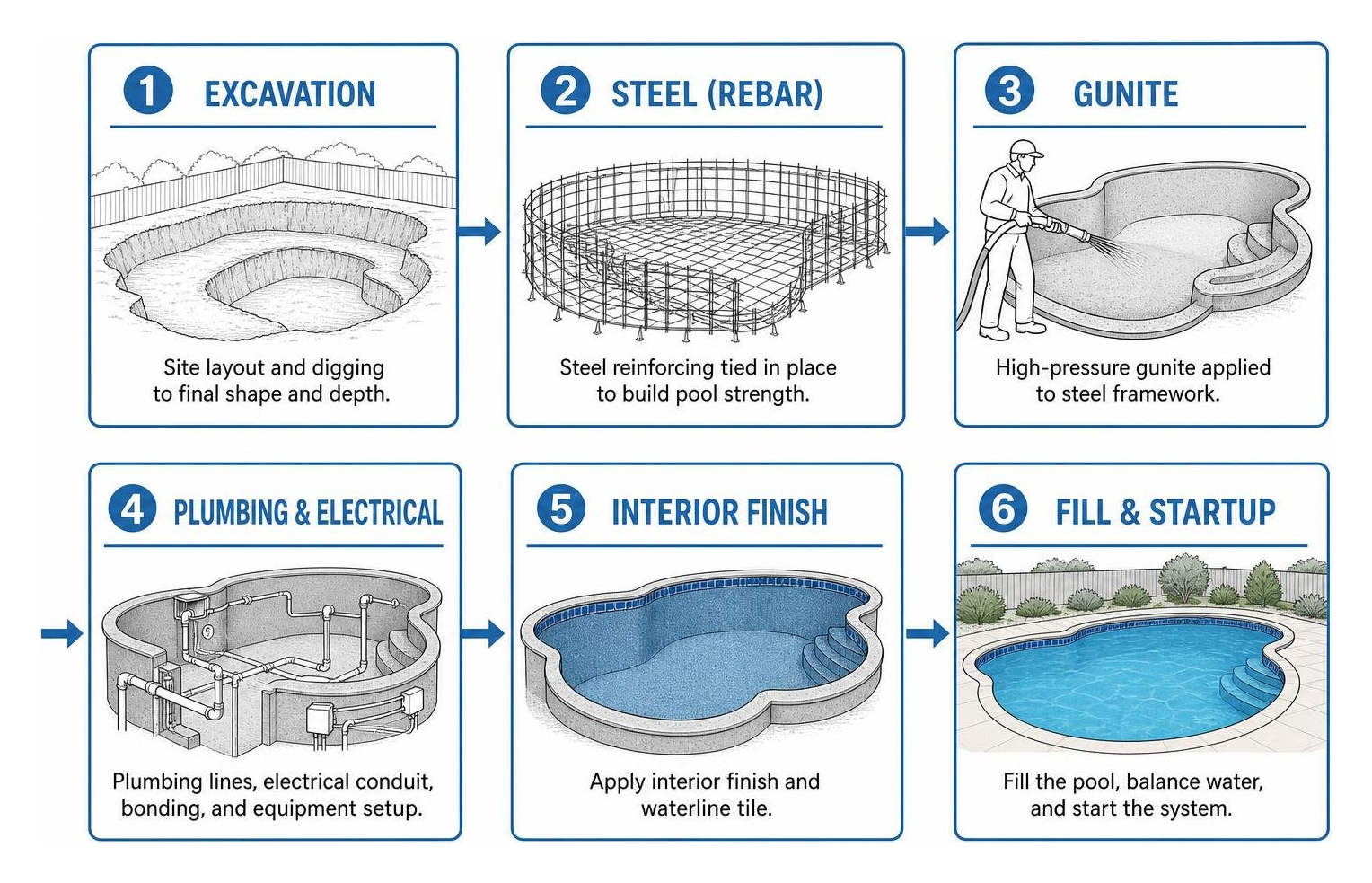
A typical custom concrete build progresses through clear construction milestones:
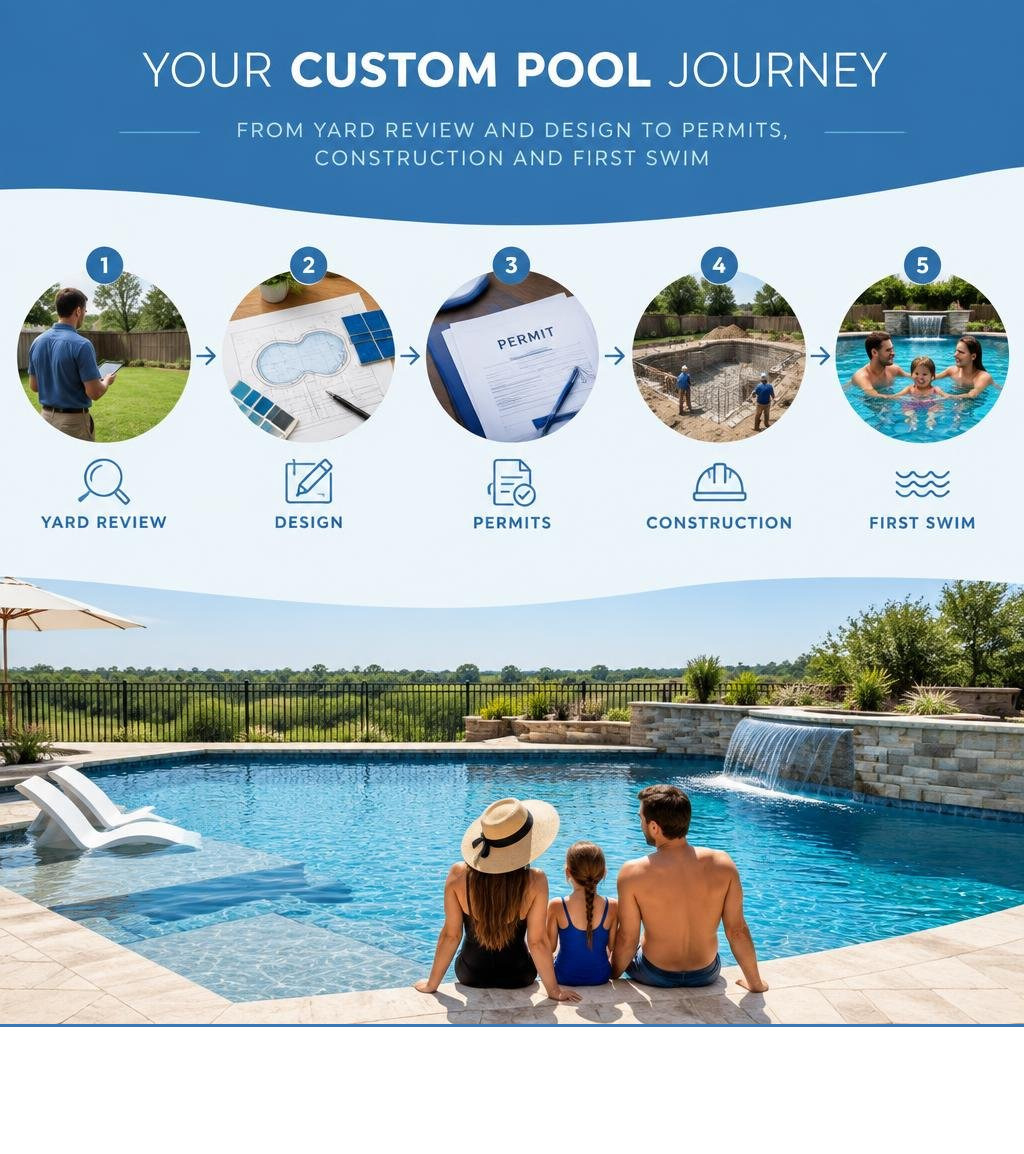
- Design & Permitting: Finalizing 3D plans, engineering approvals, and HOA clearances.
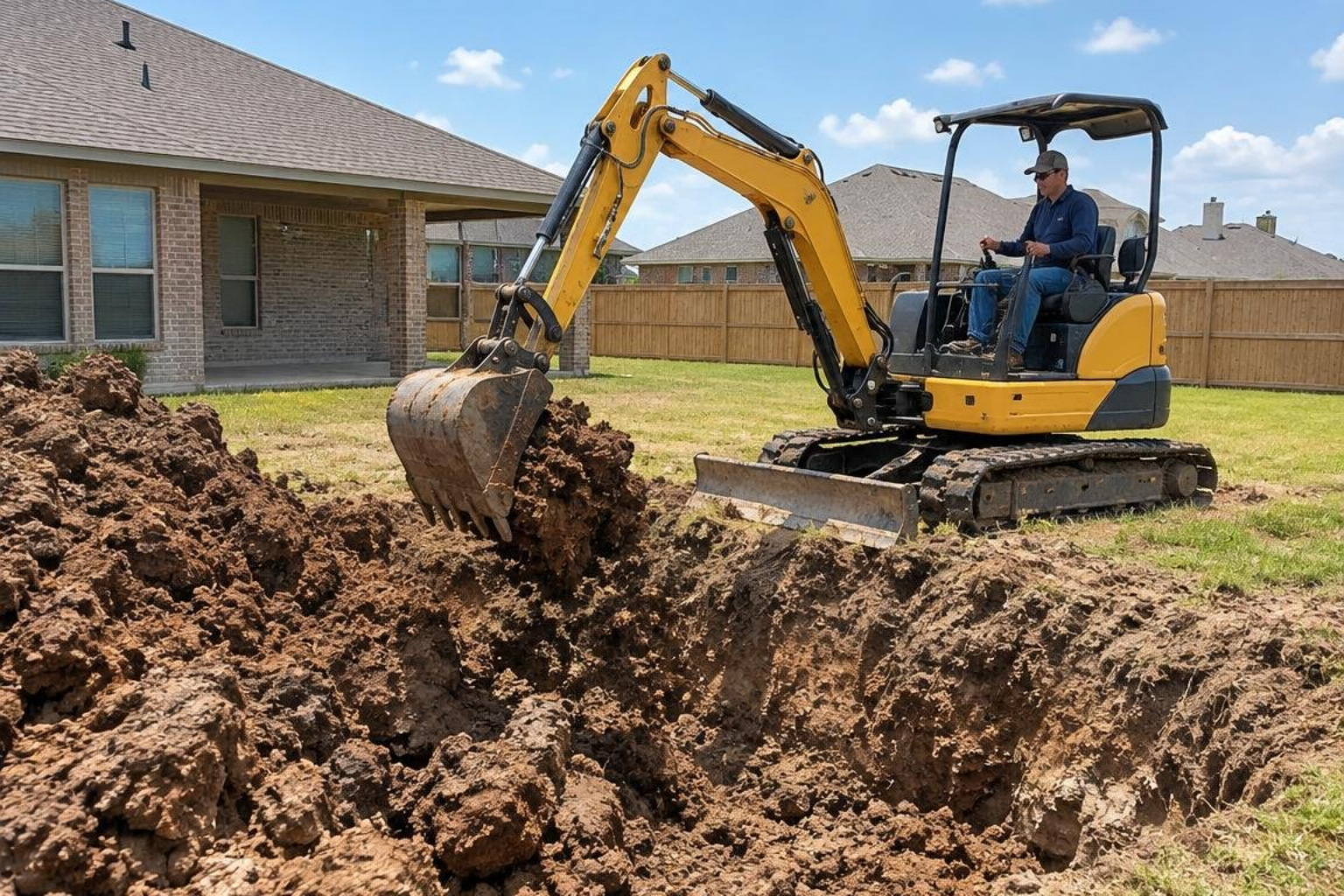
- Excavation & Steel: Digging the pool profile and tying the engineered rebar cage.
- Plumbing & Electrical Rough-In: Installing filtration lines, returns, skimmers, and bonding.
- Gunite Application: Pneumatically spraying the 4,000 psi concrete shell.
- Curing: The concrete structure is given time to gain structural compressive strength before interior finishes are applied.
- Tile, Coping, & Decking: Laying natural travertine, flagstone, or pavers.
- Interior Plaster Application: Applying the waterproof finish and filling the pool immediately with water.
4. Long-Term Maintenance, Water Chemistry, and Lifecycle Costs
Budgeting $1,200 to $4,000 annually covers standard sanitizing chemicals, seasonal care, robotic cleaners, and pump electricity. You can discover more helpful tips in our guide on How to Keep Your Custom Pool Looking Brand New Year After Year. While most homeowners handle their own chemical additions, understanding water chemistry protects your pool finish from premature wear.
Mastering the Langelier Saturation Index (LSI) to Protect Interior Finishes
The Langelier Saturation Index (LSI) measures whether your water is corrosive, balanced, or scale-forming by evaluating five key factors:
- Water pH (Target: 7.2–7.6)
- Total Alkalinity (Target: 80–120 ppm)
- Calcium Hardness (Target: 200–400 ppm)
- Water Temperature
- Total Dissolved Solids (TDS)
Maintain an LSI between -0.3 and +0.5. If the index drops below -0.3, the water becomes aggressive and leaches calcium directly out of your concrete plaster, causing surface etching. If it climbs above +0.5, excess minerals precipitate out, leaving rough calcium scale across tile and waterline surfaces.
Interior Resurfacing Cycles and Equipment Replacement Lifespans
Different finishes offer different lifespans:
- Standard White Plaster: Lasts 7 to 10 years before requiring resurfacing.
- Quartz Aggregate: Lasts 10 to 15 years, offering better stain resistance.
- Pebble Aggregate: Lasts 18 to 25 years with high chemical resistance.
- Equipment: Variable-speed pumps and cartridge filters generally last 8 to 12 years with routine filter cleanings.
5. Step-by-Step Guide to Compare Contractors and Build a Custom Pool
When selecting a pool builder, getting apples-to-apples bids is the best way to safeguard your budget. You can learn more about finding the right partner in The Best Way to Find Custom Pool Contractors Near Me.
Key Proposal Details to Check Before You Build a Custom Pool
Review quotes side-by-side using these line items:
- Shell Specifications: Look for verified shell thickness (minimum 6 inches) and concrete strength ratings (4,000 psi).
- Steel Grid Specs: Verify rebar sizing (#3 and #4) and grid spacing patterns.
- Equipment Packages: Ensure bids specify exact pump horsepower, filter square footage, and sanitization systems rather than vague labels.
- Decking & Drainage: Confirm exact deck square footage, sub-base preparation, and surface deck drains to handle Houston downpours.
Vetting Builders: Insurance, Warranties, and Red Flags
Protect your property by asking for proof of:
- General liability and workers’ compensation coverage.
- Transferable structural shell warranties.
- Mechanics lien waivers for all subcontractors and material suppliers.
- A verified local portfolio within your specific county or neighborhood.
Frequently Asked Questions About Custom Pool Construction
What is the typical timeline from excavation to swimming?
Once municipal permits are approved (which typically takes 2 to 6 weeks), standard concrete pool construction averages 8 to 12 weeks from excavation to water fill, depending on weather and the complexity of your custom features.
Which concrete pool interior finish offers the highest longevity?
Pebble aggregate finishes offer the highest durability, lasting 18 to 25 years. The embedded natural stones resist chemical etching and physical wear far better than traditional smooth plaster.
How does water chemistry affect a concrete pool shell over time?
Unbalanced water directly attacks the pool finish. Low calcium and low pH cause corrosive water that dissolves plaster, while high pH causes scaling and cloudy water. Keeping your LSI balanced between -0.3 and +0.5 keeps the surface smooth and protected.
Conclusion
Building an inground swimming pool is one of the most rewarding investments you can make for your home and family. By choosing the right construction methods, understanding site conditions, and budgeting for long-term care, you can create an outdoor retreat that brings decades of enjoyment.
For over 25 years, Ocean Blue Pools has helped homeowners across Houston, Katy, Sugar Land, Cypress, Tomball, and The Woodlands bring their backyard visions to life. Our mission is simple: “To design and build custom pools that transform backyards into dream destinations — built with precision, passion, and a promise of quality.”
Ready to get started on your outdoor space? Schedule your consultation to Build Your Dream Pool with our experienced team today.